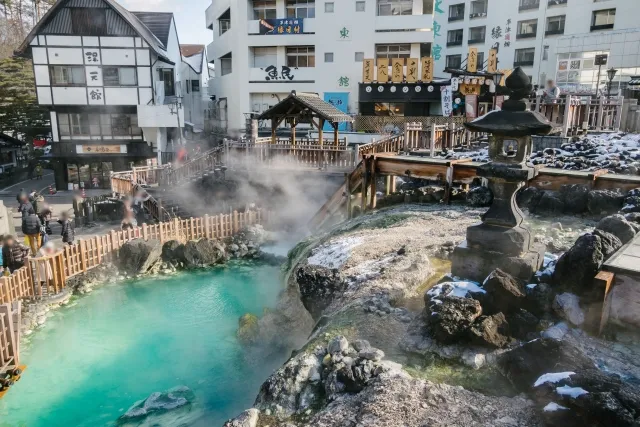
Nestled in the northwest of Gunma Prefecture, Kusatsu Town is home to Kusatsu Onsen, one of Japan’s three most famous hot springs. This renowned hot spring has been cherished by shoguns and historical figures for centuries, praised for its potent healing properties – it was said to cure all ailments except lovesickness. In winter, Kusatsu transforms into a pristine white landscape, where rising steam and spectacular icicles invite visitors into a poetic world.
This guide outlines everything you need for a trip to Kusatsu, where the profound healing of the onsen, the joy of experiencing traditional culture, and the pleasure of savoring local cuisine seamlessly merge.
Contents
- 🗓️ Why Winter is the Best Time to Visit Kusatsu Onsen
- 🚉 Getting to Kusatsu Onsen from Tokyo: Your Access Guide
- 📜 What is Kusatsu Onsen?
- ✨ Three Ways to Enjoy the Unique Charms of Kusatsu Onsen
- ♨️ Must-See Attractions in Kusatsu (First-Time Visitors)
- ⛲️ Ultimate Outdoor Onsen Experience: Day Trip Baths & Public Hot Springs Guide
- 🌳 If You Have Extra Time: Hidden Gems & Nature Spots (Optional)
- 🏔️ Local & Advanced: For Repeat Visitors / Nature Lovers
- 🍴 Kusatsu’s Best Local Restaurants
🗓️ Why Winter is the Best Time to Visit Kusatsu Onsen
Winter offers the most authentic and captivating experience of Kusatsu Onsen. In Kusatsu, situated at a high altitude, the first snow typically falls in November, blanketing the entire town in pure white. The breathtaking steam rising from the hot springs into the freezing air, and the artistic icicles hanging from eaves, are mystical sights unique to this cold season. After enjoying the powder snow at nearby ski resorts, the unparalleled bliss of warming a chilled body in the hot spring water is a luxury beyond compare. The intense cold only deepens the onsen’s warmth into a profound healing experience.
⚠️ Winter Safety Notice for International Visitors Kusatsu in winter experiences extremely cold temperatures, leading to frequent road ice. Walking in regular sneakers on snowy or icy paths is difficult and very dangerous. We strongly recommend wearing non-slip snow boots or appropriate winter footwear.
🚉 Getting to Kusatsu Onsen from Tokyo: Your Access Guide
From Tokyo, the vibrant heart of Japan, there are two comfortable and scenic routes to the famous Kusatsu Onsen.
【Route A: Scenic Express Train Journey】
- From JR Ueno Station, board the reserved-seat Limited Express Kusatsu-Shiman. (Trains such as “Kusatsu-Shiman No. 1,” departing around 10 AM from Ueno, or “No. 3,” departing around 12 PM, are convenient options.)
- Disembark at the final stop, Naganohara-Kusatsuguchi Station.
- Transfer to a connecting JR Bus bound for Kusatsu Onsen. The scenic mountain drive takes approximately 25 minutes.
- Arrive at Kusatsu Onsen Bus Terminal, your gateway to the hot spring town.
🎫 Book Your Train Tickets (JR Pass / Express Tickets) If you wish to enjoy Japan’s landscapes while traveling comfortably, you can book your tickets in advance here.Klook Official: JR Pass, Shinkansen, and Express Train Ticket Booking Site
【Route B: Comfortable Direct Highway Bus】
- From the Yaesu South Exit Bus Terminal at JR Tokyo Station, take a direct highway bus (“Joshu Yumeguri-go” or “Tokyo Yumeguri-go”).
- Enjoy a comfortable 4-hour journey directly to Kusatsu Onsen Bus Terminal without any transfers. (The bus terminal is just a 5-minute walk from the town’s center, Yubatake.)
🚌 Book Your Highway Bus Online For those preferring a more budget-friendly option and wishing to avoid carrying heavy luggage, advance bus seat reservations are highly recommended.Willer Express: Japan Nationwide Highway Bus Reservations
📜 What is Kusatsu Onsen?
Nestled in the majestic embrace of Mount Kusatsu-Shirane, Kusatsu Onsen is one of Japan’s “Three Great Hot Springs,” alongside Arima and Gero, with a history spanning thousands of years. Its origins trace back to ancient myths, captivating samurai warlords and Edo period shoguns, truly earning its reputation as a “King of Hot Springs.”
Its most notable feature is its highly acidic water, known for exceptional disinfectant properties. Historically, it was believed to cure all illnesses, leading to its prosperity as a renowned therapeutic hot spring resort. The natural outflow of hot water exceeds 30,000 liters (7,925 gallons) per minute, making it the highest volume hot spring in Japan.
At the heart of the town lies the Yubatake, a spectacular sight where 4,000 liters (1,056 gallons) of hot spring water gushes out every minute. At night, the Yubatake is beautifully lit by gas lamps, creating a magical scene where rising steam sparkles like jewels. Visitors can also explore the rugged natural beauty of Sainokawara Park and witness the traditional “Yumomi” ritual, a hot water-stirring performance dating back to the Edo period. Kusatsu offers a unique experience where all five senses can fully immerse in Japanese onsen culture.
✨ Three Ways to Enjoy the Unique Charms of Kusatsu Onsen
1. Culinary Exploration in the Historic Hot Spring Town
A stroll through Kusatsu is enhanced by its unique local cuisine. The famous Yubatake Soba features noodles made with onsen water, offering an exceptional texture and firmness. It pairs perfectly with tempura, especially with locally sourced maitake mushrooms. For gourmands, Buta-shabu, thinly sliced local Gunma pork simmered in rich soba broth, is another exquisite dish. While exploring, indulge in Onsen Manju (steamed buns filled with sweet bean paste), the photogenic Kusatsu Onsen Pudding, and the charmingly retro Yukemuri Cider as you enjoy the picturesque scenery.
2. Experiencing Centuries-Old Traditional Culture
Kusatsu boasts unique cultural traditions. The iconic Yumomi is an art form born from the wisdom of cooling hot spring water without dilution, using large wooden paddles to splash and stir the water in rhythm with folk songs. This captivating performance is a must-see. Visitors can also participate in a hands-on “Yumomi” experience, learning about Kusatsu’s history and culture. To conclude your day, consider attending Kusatsu Onsen Rakugo, a daily traditional Japanese comedic storytelling performance. This event transcends language barriers, offering a deep immersion into Japanese performing arts and creating lasting travel memories.
3. Onsen Hopping in Traditional Yukata
For the quintessential Kusatsu experience, wear a colorful Yukata (light cotton kimono) and wooden geta sandals, exploring various Sotoyu (public bathhouses). Each bathhouse features different hot spring sources, water temperatures, and architectural styles. Warming your body, beautifying your skin, and surrendering to the town’s atmosphere – this is the true hospitality of Kusatsu.
👘 The Ultimate Onsen Etiquette Guide: A Japanese Ritual for Mind and Body
To ensure a respectful and enjoyable communal hot spring experience, please observe these traditional manners:
【Before Entering the Bath: Respect the Water】
- Rinse Your Body: Before entering the main bath, thoroughly wash your body with a shower or by pouring “kakeyu” (hot water from a basin) over yourself to cleanse and adjust your body to the water temperature. Always use soap and shampoo in the designated washing areas, keeping the main bath clean.
- Alcohol and Health: Refrain from bathing immediately after drinking alcohol or when extremely tired, as this increases the risk of falls or accidents.
- Pre-Hydration: Drink a glass of water before bathing to prevent dehydration.
- Privacy: Photography is strictly prohibited in changing rooms and bathing areas. Please avoid bringing smartphones into these areas out of consideration for others.
【During the Bath: Enjoy Serenity and Harmony】
- Towel Placement: For hygiene reasons, never submerge your towel in the bathwater. Place it on your head or on a designated shelf in the bathing area.
- Quiet Environment: Avoid loud noises or excessive splashing to maintain a peaceful and relaxing atmosphere for all bathers.
- Sharing the Spout: The “yuguchi” (hot spring spout) is popular, but please share it with others and avoid monopolizing it.
【After the Bath: Cherish the Afterglow】
- Keep Changing Areas Dry: Before entering the changing room, lightly dry your body to avoid wetting the floor.
- Post-Hydration and Rest: Replenish lost fluids and take adequate rest after bathing.
💡 Tattoo Etiquette in Onsen Many facilities in Kusatsu Onsen, including the “Kusatsu San-yu” (Otakinoyu, Gozanoyu, and Sainokawara Open-Air Bath), do not restrict entry for individuals with tattoos. However, some accommodations and day-use onsen may have their own policies or local regulations that prohibit tattooed individuals. If you have concerns, it is advisable to confirm directly with each facility before your visit.
♨️ Must-See Attractions in Kusatsu (First-Time Visitors)
These are the essential spots that will give you a comprehensive understanding of Kusatsu, highly recommended for first-time visitors.
Yubatake
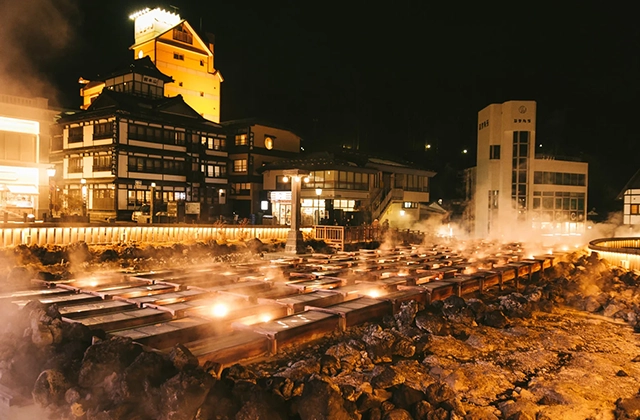
Address: Kusatsu, Kusatsu-machi, Agatsuma-gun, Gunma Prefecture
The Yubatake is the town’s most prominent symbol, where you can feel the pulse of Kusatsu. This iconic wooden structure channels hot spring water to adjust its temperature and collect “yu-no-hana” (hot spring minerals), a practice unchanged since the Edo period. Fresh onsen water is distributed to each ryokan from here, making it the lifeline of the hot spring town. The powerful jets of emerald-green water from the waterfalls, coupled with the distinctive sulfur scent, offer every visitor a profound sense of “having arrived in Kusatsu.”
Netsu no Yu (Yumomi Show)
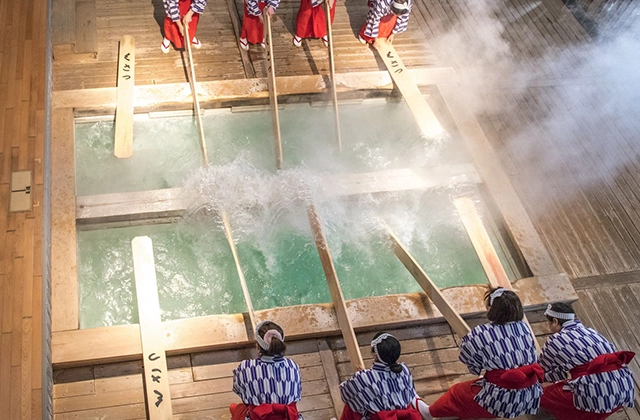
Address: 414 Kusatsu, Kusatsu-machi, Agatsuma-gun, Gunma Prefecture
Located next to the Yubatake, Netsu no Yu is a beautiful traditional facility with a charming Taisho-era exterior. Here, the “Yumomi and Dance Show,” the very soul of Kusatsu, is held daily. The powerful performance, featuring stirring the hot water with large paddles in rhythm with traditional songs like “Kusatsu Yoi Toko Ichido wa Oide” (Come once to good Kusatsu), is a must-see. Beyond watching, visitors can participate in a hands-on “Yumomi” experience, offering an immersive way to learn about Kusatsu’s history and culture.
Sainokawara Open-Air Bath
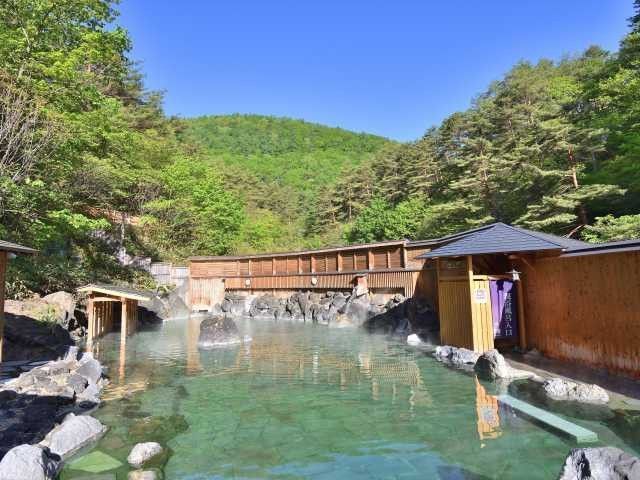
Address: 521-3 Kusatsu, Kusatsu-machi, Agatsuma-gun, Gunma Prefecture
This is one of Japan’s largest open-air baths, boasting an overwhelming scale. You can bathe amidst a vast panorama, surrounded by a pristine white winter wonderland or the fiery colors of autumn foliage, with nothing obstructing your view. The Mandai-gen Spring water, known for its high efficacy against neuralgia and fatigue, allows you to absorb the energy of nature and the benefits of the onsen simultaneously.
Otakinoyu
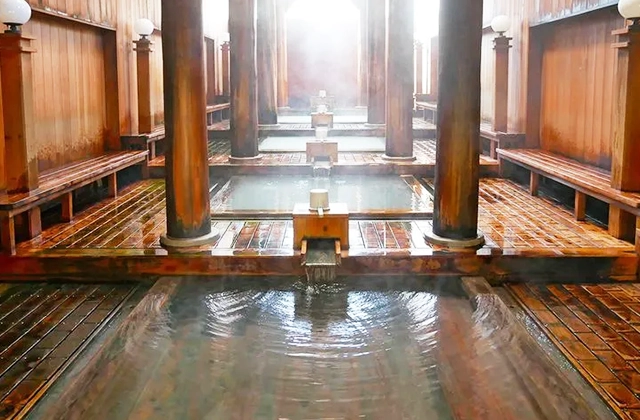
Address: 596-13 Kusatsu, Kusatsu-machi, Agatsuma-gun, Gunma Prefecture
Otakinoyu is one of Kusatsu’s largest day-trip onsen facilities, distinctive for the waterfall that flows within its premises. Here, you can enjoy the precious “Nikawa-gen Spring,” renowned for its skin-beautifying properties. A highlight is the traditional “Awase-yu” (sequential bathing) method, where you move through baths of varying temperatures. This method is highly recommended as it maximizes the onsen’s benefits while minimizing the burden on your body. The facility also features a restaurant and sauna, making it possible to spend a relaxing full day.
Kusatsu Onsen Town Walk (Nishinokawara Street)
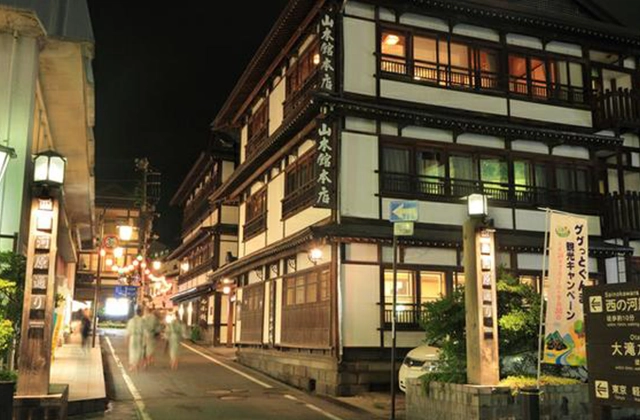
Address: Nishinokawara Street, Kusatsu, Kusatsu-machi, Agatsuma-gun, Gunma Prefecture
This is Kusatsu’s most vibrant street, leading from the Yubatake to Sainokawara Park. Along the cobblestone path, you’ll find shops selling freshly made onsen manju, local crafts, and stylish cafes. The aroma of street food fills the air, and the lively chatter of yukata-clad tourists creates a festive atmosphere that symbolizes the vibrancy of Japanese onsen culture. A stroll along this main street is sure to uplift your spirits.
⛲️ Ultimate Outdoor Onsen Experience: Day Trip Baths & Public Hot Springs Guide
Kusatsu boasts numerous bathhouses. However, public bathhouses officially accessible to tourists are limited to “Shirohata no Yu,” “Chiyo no Yu,” and “Jizo no Yu.” These three are generously offered free of charge by local residents.
For those looking to explore the well-equipped and spacious “Three Major Paid Facilities,” we highly recommend the cost-effective “Choina San-yu Meguri Te-gata” (Three Baths Hopping Pass).
【Choina San-yu Meguri Te-gata Guide】 This pass is valid for three specific facilities: Gozanoyu, Sainokawara Open-Air Bath, and Otakinoyu.
- Adults: 2,100 JPY (saves 800 JPY compared to individual entries)
- Children: 1,050 JPY (saves 400 JPY compared to individual entries) Visiting all three facilities entitles you to a “Kanyu Ninteisho” (Completion Certificate) as a travel souvenir.
Gozanoyu (Paid Facility: Pass Eligible)
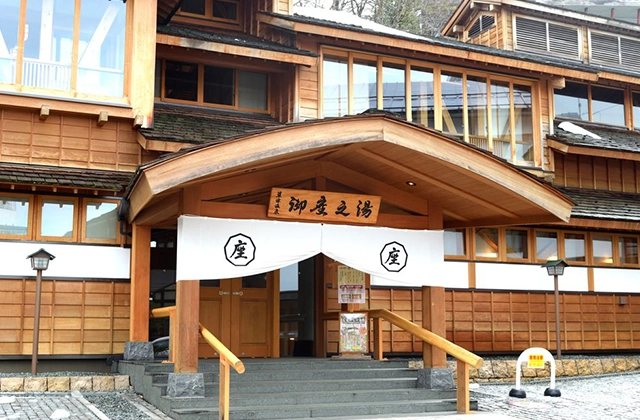
Address: 421 Kusatsu, Kusatsu-machi, Agatsuma-gun, Gunma Prefecture
This facility’s impressive wooden architecture faithfully recreates the styles of the Edo and Meiji periods. It features two types of baths, “Ki no Yu” (wood bath) and “Ishi no Yu” (stone bath), which alternate between male and female use daily. A key highlight is the ability to experience two different hot spring sources: the stimulating “Yubatake-gen Spring” and the milder “Mandai-gen Spring.” After your bath, you can enjoy a luxurious break in the spacious tatami-matted room on the second floor, overlooking the beautiful Yubatake.
Shirohata no Yu (Public Bath: Free, Tourist Accessible)
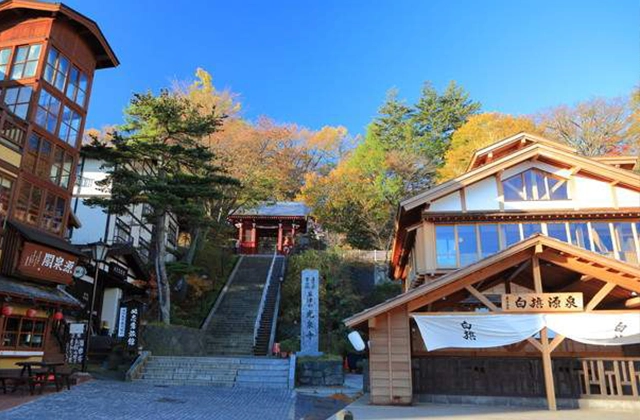
Address: 417-1 Kusatsu, Kusatsu-machi, Agatsuma-gun, Gunma Prefecture
Located right next to the Yubatake, Shirohata no Yu is a historic bathhouse said to have been favored by the legendary samurai general Minamoto no Yoritomo. It features a rare, milky white, rich sulfur spring, unique even in Kusatsu. The “yu-no-hana” (hot spring minerals) floating in the water are a testament to its high efficacy. Among the free public bathhouses, it is the largest and most welcoming for tourists.
Chiyo no Yu (Public Bath: Free, Tourist Accessible)
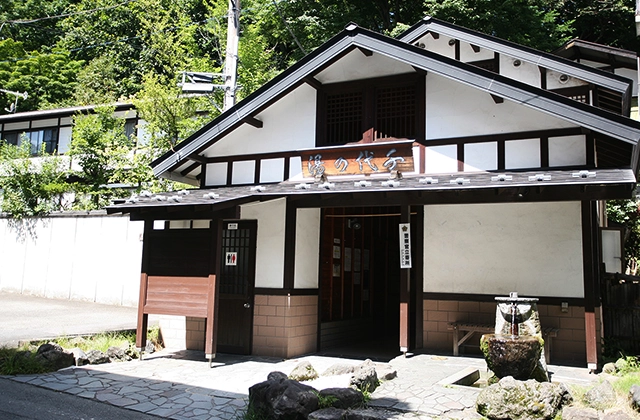
Address: 367-4 Kusatsu, Kusatsu-machi, Agatsuma-gun, Gunma Prefecture
This charming, small wooden bathhouse is tucked away on a quaint street in the hot spring town. Its most notable feature is the opportunity to experience “Jikan-yu,” a traditional therapeutic bathing method passed down through generations. This authentic style begins with “Yumomi” (hot water stirring) and involves bathing for 3 minutes according to specific rituals, ideal for those seeking a profound rejuvenation of mind and body. The bath is constantly filled with fresh hot spring water.
Jizo no Yu (Public Bath: Free, Tourist Accessible)
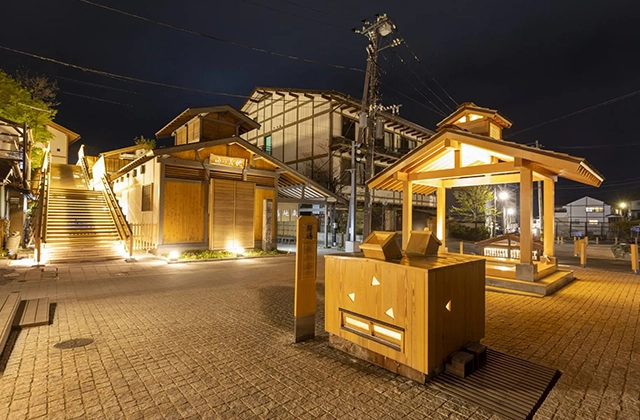
Address: 299 Kusatsu, Kusatsu-machi, Agatsuma-gun, Gunma Prefecture
Situated in a quieter area a little distance from the Yubatake, Jizo no Yu is a hidden gem that was beautifully renovated in 2022. It draws its water from the “Jizo-gen Spring,” believed to be effective for eye ailments, offering soft, milky-white water that gently envelops the skin. Around the facility, you’ll find “ashiyu” (foot baths) and “kaoyu” (face steam baths), allowing even those less inclined to full bathing to easily refresh themselves with the benefits of the steam.
🌳 If You Have Extra Time: Hidden Gems & Nature Spots (Optional)
If you have additional time during your stay, explore these natural spots and unique leisure activities to discover more of Kusatsu’s hidden depths.
Shiga Kusatsu Highland Route
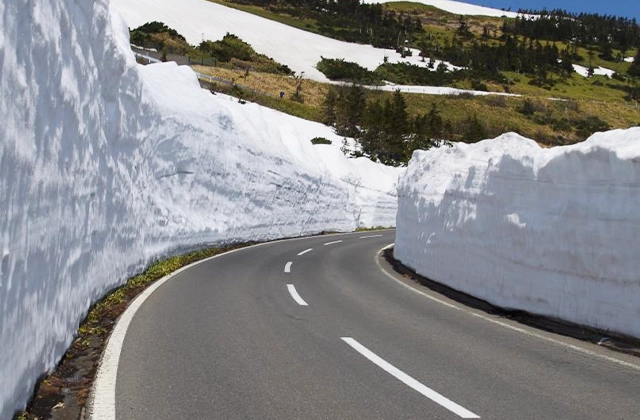
Address: Kusatsu-machi, Agatsuma-gun, Gunma Prefecture to Yamanouchi-machi, Nagano Prefecture
Official Website: https://www.shigakogen.gr.jp/
This is a breathtaking scenic sky-road connecting Kusatsu to Shiga Kogen in Nagano Prefecture, soaring over 2,000 meters (6,562 feet) above sea level. It offers an expansive feeling as if driving above the clouds, with dynamic views of Mount Shirane and the possibility of spotting Japanese serows. However, please note that this route is closed during the winter season, typically from mid-November to late April. Shortly after its spring reopening, you can experience the stunning “Snow Corridor,” driving through towering snow walls several meters high, a unique sight only available at this time. It is crucial to check traffic information in advance, as volcanic activity at Mount Kusatsu-Shirane may lead to road closures.
Yumiike Pond
Address: Kusatsu, Mount Shirane area, Kusatsu-machi, Agatsuma-gun, Gunma Prefecture
A mystical lake formed in a crater near the summit of Mount Kusatsu-Shirane. The surrounding area is a rich wetland ecosystem. The serene calm of summer, with swaying cotton grass, and the breathtaking beauty of autumn foliage reflected in the mirror-like surface of the lake are truly unforgettable. This spot allows you to experience the clear air unique to high altitudes and the tranquil natural beauty preserved within the rugged volcanic landscape. (Note: Please be aware of volcanic activity regulations.)
Osen Waterfall
Address: Kusatsu, Kusatsu-machi, Agatsuma-gun, Gunma Prefecture
A graceful 25-meter (82-foot) waterfall hidden deep within Kusatsu’s forest. The white cascade gracefully flows over a rock face stained red by oxidized lava, exuding an ethereal elegance reminiscent of a “fairy.” The trail to the waterfall is a bit challenging, but the magnificent scenery and abundant negative ions that await you upon arrival are a supreme reward, allowing you to forget the city’s hustle and bustle.
Shiriyaki Onsen
Address: Iriyama, Nakanojo-machi, Agatsuma-gun, Gunma Prefecture
This is a rare hot spring where the source emerges from the riverbed, transforming the river itself into a massive natural hot spring bath. Its name, “Shiriyaki” (literally “buttocks-burning”), comes from a historical account of people warming stones in the riverbed and sitting on them to cure hemorrhoids. Even today, you can enjoy an open-air bathing experience in its natural state. You can bathe in swimwear as if playing in a river, and the experience of floating in the warm river amidst a snowy landscape is truly the ultimate wild hot spring bath.
Kusatsu Tropical Wonderland
Address: 286 Kusatsu, Kusatsu-machi, Agatsuma-gun, Gunma Prefecture
Official Website: http://nettaiken.com/
A tropical jungle that unexpectedly appears in snowy Kusatsu. Utilizing the residual heat from the hot springs, this massive dome houses a variety of animals, including capybaras, meerkats, and rare reptiles. The opportunity to interact with capybaras in the warm dome, even in winter, is highly popular with families and couples. It’s a sustainable leisure facility unique to a hot spring resort.
🏔️ Local & Advanced: For Repeat Visitors / Nature Lovers
This section is for repeat visitors to Kusatsu who wish to explore its true essence, and for nature lovers seeking deeper experiences.
Mount Kusatsu-Shirane
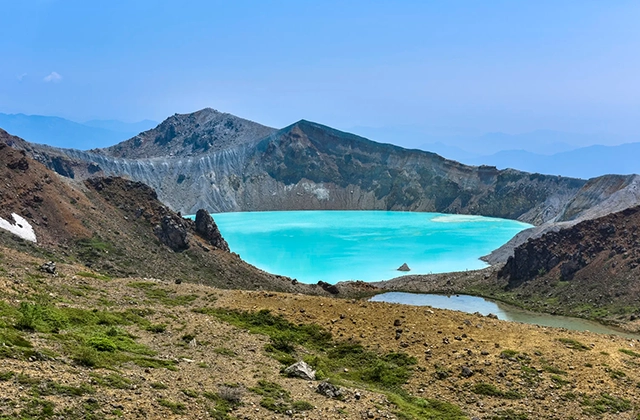
Address: Kusatsu, Kusatsu-machi, Agatsuma-gun, Gunma Prefecture
This is an active volcano that continues to breathe, serving as the source of Kusatsu Onsen. At its summit, 2,160 meters (7,087 feet) above sea level, lies the crater lake “Yugama,” characterized by its mysterious emerald-green water, one of the world’s most acidic. The desolate, moon-like volcanic landscape allows visitors to feel the pulse of the Earth up close, inspiring an overwhelming sense of awe.
Roadside Station Kusatsu Onsen Sports Chaya Park
Address: 2-1 Kusatsu, Kusatsu-machi, Agatsuma-gun, Gunma Prefecture
This roadside station includes a museum where you can learn about Kusatsu’s history and the contributions of Dr. Erwin von Baelz, a German physician who greatly influenced the town. It offers a wide selection of local specialties and exclusive merchandise featuring Kusatsu’s popular mascot, “Yumomi-chan.” The food court serves Gunma’s famous “himokawa udon,” making it a convenient base for starting or concluding your trip.
Deep Forest Walks
Kusatsu Onsen and its surroundings offer numerous trekking courses through untouched nature. Trails to Osen Waterfall and paths extending deeper into Sainokawara Park provide serene spaces to escape urban noise. Experience the changing breath of the forest with alpine plants in spring, lush greenery in summer, and vibrant autumn leaves, discovering your own secret spots in every season.
🍴 Kusatsu’s Best Local Restaurants
Kusatsu Yubatake Manten
Address: 2F, 116-2 Kusatsu, Kusatsu-machi, Agatsuma-gun, Gunma Prefecture
Official Website: https://manten-kusatsu.owst.jp/en/
Enjoy meticulously prepared Japanese cuisine while overlooking the spectacular Yubatake. This restaurant prides itself on its “kamameshi” (rice cooked in an iron pot), prepared fresh upon order, as well as its excellent udon noodles and crispy tempura. Despite being in the heart of the tourist area, it offers a refined atmosphere, perfect for those seeking to savor authentic Japanese flavors for lunch or dinner.
Yukawa Terrasse
Address: 375 Kusatsu, Kusatsu-machi, Gunma Prefecture
Official Website: https://www.yugawa-terrasse.jp/
This modern restaurant honors the aesthetic of the prestigious “Narayama” ryokan. It offers unique gourmet dishes, including exquisite “Joshu Beef Hitsumabushi” (broiled eel over rice, here featuring high-quality local beef) and stylishly reinterpreted local dishes like “Okkirikomi” (wide flat noodles stew). On the terrace seats, guests can enjoy the onsen town atmosphere, while the cafe offers beautiful Japanese-Western fusion sweets. It’s an ideal spot for adults seeking a special dining experience.
Joshu Jigona Udon Matsumoto
Address: 486-5 Kusatsu, Kusatsu-machi, Gunma Prefecture
Tabelog URL: https://tabelog.com/gunma/A1004/A100402/10014720/
This esteemed restaurant specializes in “himokawa udon,” using 100% “Kinu no Hana,” a premium wheat flour from Gunma. The wide, thin, yet chewy noodles release a rich aroma of wheat the moment they touch your palate. The dish served with a hot dipping broth infused with the umami of “Joshu Mochibuta” (premium local pork) is exceptional. The limited-time winter “Okkirikomi” (a hot pot dish) is a warming staple of Kusatsu winters.