Kamakura, located about 50 kilometers south of Tokyo, attracts approximately 13 million visitors annually. In spring, this historic coastal city transforms as cherry blossoms (sakura) bloom against the backdrop of ancient temples and shrines. The scenery offers a unique blend of ancient temples, shrines, and natural beauty that feels very different from Tokyo or Kyoto. This spot is perfect for a Tokyo day trip in spring.
Whether you are looking for iconic landmarks or quiet hidden gems, this guide covers the essential locations to experience Kamakura’s spring season.
Check the latest cherry blossom forecast here
If you’re planning a day trip from Tokyo, you can explore Kamakura and Enoshima with a Full-Day Buddha & Temple Tour or a Highlights Train Tour including the Great Buddha.
Check availability on GetYourGuide
Contents
- 1, Kenchoji Temple: The Famous Sakura Arch
- 2, Kotoku-in: The Great Buddha and Sakura
- 3, Tsurugaoka Hachimangu: Kamakura’s Iconic Shrine
- 4, Jochiji Temple: Bamboo and Moss Gardens
- 5, Jojuin Temple: Ocean Views and Sakura
- 6, Amanawa Shinmei Shrine: The Oldest Shrine
- 7, Kuzuharaoka Shrine: A Park-side Matchmaking Spot
- 8, Meigetsuin Temple: Weeping Sakura in a Flower Temple
- 9, Myohonji Temple: Massive Architecture and Crabapples
- 10, Komyoji Temple: Sakura with Mt. Fuji Views
- 11, Kosokuji Temple: The Temple of Flowering Crabapples
- Summary: Experience the Deep History of Spring in Kamakura
1, Kenchoji Temple: The Famous Sakura Arch
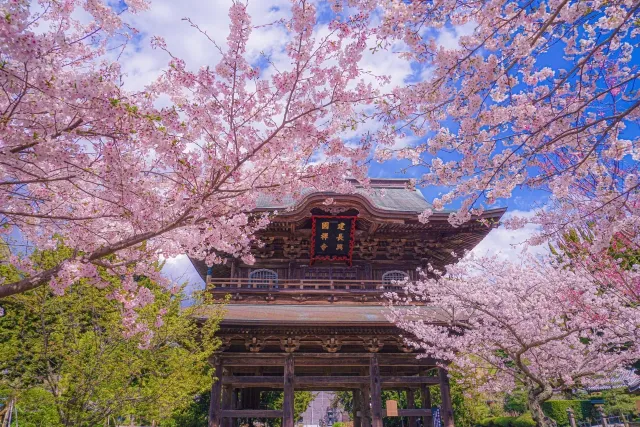
Kenchoji Temple, founded in 1253 by Hojo Tokiyori, is the oldest Zen training monastery in Japan. It holds the highest rank among the “Kamakura Gozan” (Five Great Zen Temples).
The main highlight is the “Sakura Arch” located between the main gate and the Sanmon gate. Cherry trees line both sides of the path, creating a natural tunnel of flowers. Visitors can see Somei Yoshino blossoms here, as well as early-blooming Okame-zakura in late February. The best time to visit is early morning to appreciate the Zen atmosphere before the crowds arrive.
Kenchoji Temple
https://www.kenchoji.com/
Address:8 Yamanouchi, Kamakura, Kanagawa 247-0062
Access:About 15 minutes on foot from JR Kita-Kamakura Station
Hours:8:30 – 16:30
2, Kotoku-in: The Great Buddha and Sakura
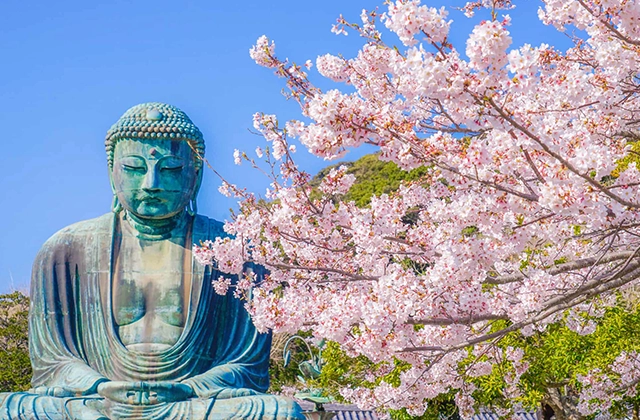
Kotoku-in Temple is home to the Great Buddha (Daibutsu), a bronze statue representing Amida Buddha. Standing about 11.3 meters tall, this National Treasure has survived tsunamis and earthquakes since the 13th century.
In spring, cherry blossoms surround the massive statue, providing a classic Japanese aesthetic. Visitors can also pay JPY 50 to enter the interior of the hollow statue. This area is one of the most popular photo spots in Kamakura. We recommend visiting on a weekday to avoid large tour groups.
To fully enjoy the Great Buddha and nearby cherry blossoms, consider a guided day trip. You can choose a Full-Day Tour exploring temples and the Buddha, or a Train & Highlights Tour focusing on the Great Buddha and scenic spots.
Book via GetYourGuide
Kamakura Daibutsu Kotoku-in
https://www.kotoku-in.jp/en/
Address:4-2-28 Hase, Kamakura, Kanagawa 248-0016
Access:7 minutes on foot from Enoden Hase Station
Hours:8:00 – 17:15 (Apr-Sep), 8:00 – 16:45 (Oct-Mar)
3, Tsurugaoka Hachimangu: Kamakura’s Iconic Shrine
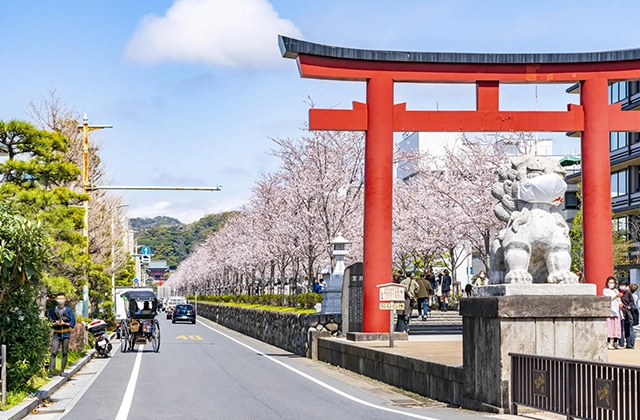
Tsurugaoka Hachimangu, established in 1063, is the most important Shinto shrine in Kamakura. It was the religious center of the samurai government for centuries.
The “Dankazura” is a raised pedestrian path in the center of the main street leading to the shrine. It features a long tunnel of cherry trees. Inside the shrine grounds, the Genji and Heike ponds reflect the pink blossoms on the water. This site is very central and easy to access from the station. After your visit, you can explore Komachi-dori, a street nearby famous for local snacks and crafts.
Tsurugaoka Hachimangu
https://www.hachimangu.or.jp/en/
Address:2-1-31 Yukinoshita, Kamakura, Kanagawa 248-8588
Access:About 10 minutes on foot from JR Kamakura Station (East Exit)
Hours:6:00 – 20:00
Want to visit multiple cherry blossom spots in Kamakura without hassle? This guided 1-day bus tour from Tokyo covers the highlights with easy crowd navigation
[Kamakura & Enoshima 1-Day Bus Tour from Tokyo – Guided & Cultural Insights]
4, Jochiji Temple: Bamboo and Moss Gardens
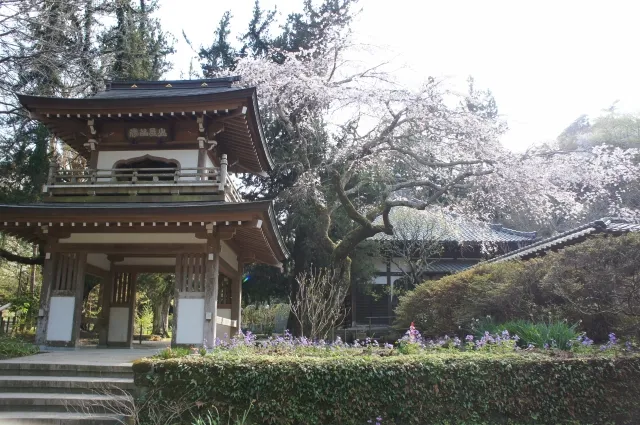
Jochiji Temple is a historic Zen temple ranked fourth among Kamakura’s great Zen monasteries. It is known for its “Chinese-style” architecture and its peaceful, forested grounds.
The temple features a mix of Somei Yoshino, Yamazakura, and weeping cherry trees. The contrast between the pink petals and the vibrant green moss and bamboo groves is striking. This location was a favorite residence for famous Japanese artists and film directors. It is a quiet alternative to the busier shrines in central Kamakura.
Jochiji Temple
https://jochiji.com/en/en.html
Address:1402 Yamanouchi, Kamakura, Kanagawa 247-0062
Access:About 10 minutes on foot from JR Kita-Kamakura Station
Hours:9:00 – 16:30
5, Jojuin Temple: Ocean Views and Sakura
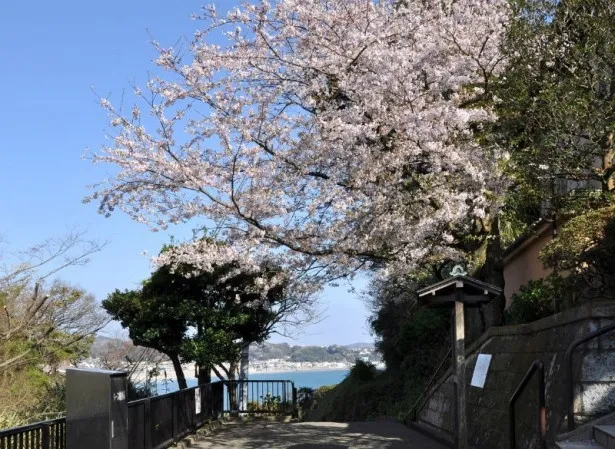
The temple is located at the top of 108 stone steps. From the entrance, visitors can see a panoramic view of Yuigahama Beach framed by cherry blossoms. This combination of sea and sakura is unique to the Kamakura coastline. The early morning is the best time to visit to capture the light on the ocean and avoid crowds on the narrow stairs.
Jojuin Temple
http://www.jojuin.com/engish.html
Address:1-1-5 Gokurakuji, Kamakura, Kanagawa 248-0023
Access:About 5 minutes on foot from Enoden Gokurakuji Station
Hours:8:00 – 17:00 (Closes at 16:30 from Nov to Mar)
6, Amanawa Shinmei Shrine: The Oldest Shrine
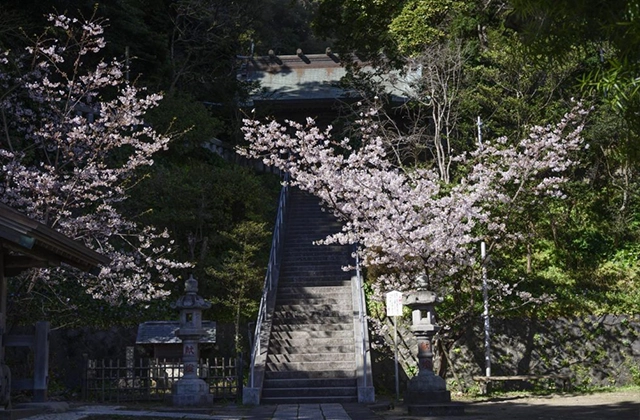
Amanawa Shinmei Shrine, founded in 710 AD, is the oldest shrine in Kamakura. It sits quietly on a hillside, overlooking the city and the bay.
The shrine has a few select cherry trees that bloom around its ancient wooden structures. Because it is less known than the major temples, the atmosphere remains very calm. Looking through the stone Torii gate toward the blossoms provides a view reminiscent of old Japan. This is one of the best locations for those who want a peaceful hanami (traditional cherry blossom viewing) experience.
Amanawa Shinmei Shrine
https://www.trip-kamakura.com/place/amanawa.html
Address:1-12-1 Hase, Kamakura, Kanagawa 248-0016
Access:About 5 minutes on foot from Enoden Hase Station
Hours:Open access (Free entry)
7, Kuzuharaoka Shrine: A Park-side Matchmaking Spot
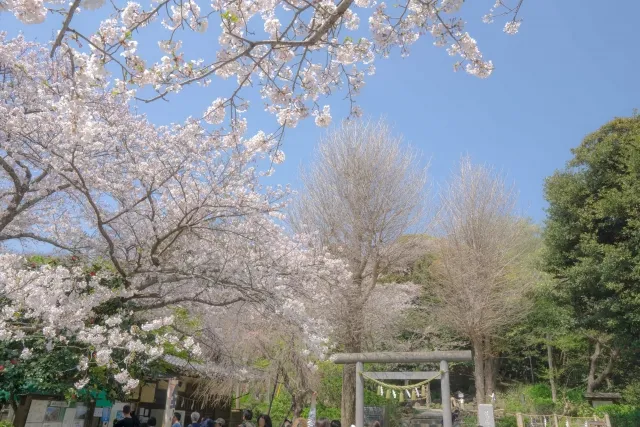
Kuzuharaoka Shrine is dedicated to Lord Hino Toshimoto and is located on the Genjiyama hiking trail. It is widely known for “En-musubi” (matchmaking) stones where visitors pray for love.
The shrine is adjacent to Genjiyama Park, a popular local destination for cherry blossom viewing. Families often bring picnic mats to enjoy the blossoms under the trees. There are several early-blooming trees behind the shrine office, followed by a large number of Somei Yoshino trees in the surrounding park.
Kuzuharaoka Shrine
http://www.kuzuharaoka.jp/
Address:5-9-1 Kajiwara, Kamakura, Kanagawa 247-0062
Access:About 30 minutes on foot from JR Kamakura Station (West Exit)
Hours:8:30 – 16:30 (Office 9:00 – 16:00)
8, Meigetsuin Temple: Weeping Sakura in a Flower Temple
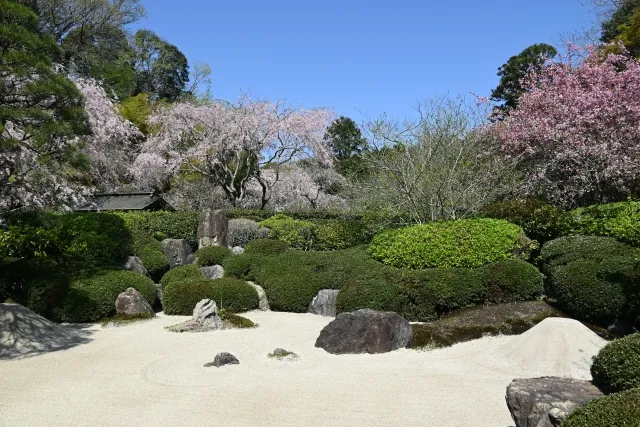
Meigetsuin Temple is famous globally as the “Hydrangea Temple,” but it is also a premier location for spring flowers. The garden features a variety of species that bloom throughout the year.
The weeping cherry trees near the main gate are particularly impressive. While the temple is extremely crowded in June, the spring season is relatively quiet. The pink blossoms against the traditional Zen garden offer a peaceful experience. Somei Yoshino trees also line the road leading from the station to the temple.
Meigetsuin Temple
https://www.trip-kamakura.com/place/japanheritage/230.html
Address:189 Yamanouchi, Kamakura, Kanagawa 247-0062
Access:10 minutes on foot from JR Kita-Kamakura Station
Hours:9:00 – 16:00
9, Myohonji Temple: Massive Architecture and Crabapples

Myohonji Temple is a historic Nichiren sect temple located just a short walk from the station. It stands on the former site of the powerful Hiki clan’s residence.
The Soshido Hall is one of the largest wooden structures in Kamakura. Its dark, heavy timber contrasts with the delicate pink of the surrounding sakura. After the cherry blossoms begin to fall, the Kaido (flowering crabapple) trees bloom with deep pink flowers. This spot has long been a favorite for local Japanese writers and poets, known as the “Kamakura Bunshi.”
Myohonji Temple
https://www.myohonji.or.jp/english/
Address:1-15-1 Omachi, Kamakura, Kanagawa 248-0007
Access:5 minutes on foot from JR/Enoden Kamakura Station
Hours:Open access (Free entry)
10, Komyoji Temple: Sakura with Mt. Fuji Views
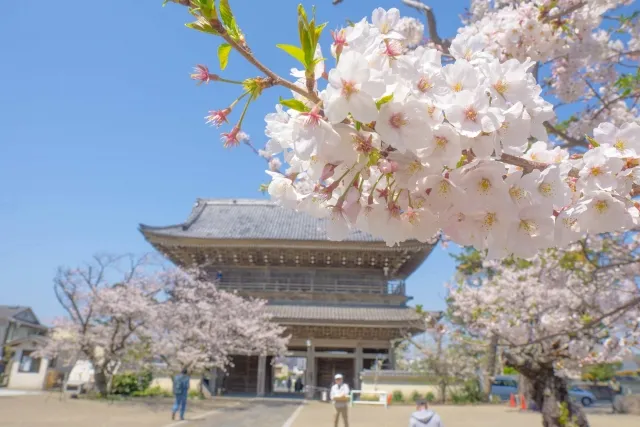
Komyoji Temple offers a rare combination of cherry blossoms, the Pacific Ocean, and Mt. Fuji. From the observation deck behind the temple, you can see all three in one panoramic view.
The main hall is currently undergoing a major renovation scheduled for completion in 2030, so some views are partially obstructed by scaffolding. However, the trees around the massive mountain gate are still accessible and beautiful. In late March, the nearby Zaimokuza beach is also a prime spot to witness “Diamond Fuji,” where the sun sets directly over the mountain peak.
Komyoji Temple
https://komyoji-kamakura.or.jp/
Address:6-17-19 Zaimokuza, Kamakura, Kanagawa 248-0013
Access:1 minute on foot from “Komyoji” bus stop (via bus from Kamakura Station)
Hours:7:00 – 16:00 (6:00 – 17:00 in summer)
11, Kosokuji Temple: The Temple of Flowering Crabapples
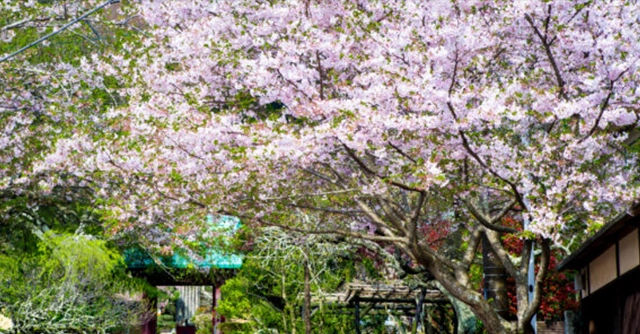
Kosokuji Temple is a quiet, historic temple known for its seasonal wildflowers. The mountain behind the temple contains the remains of a “soil dungeon” where an early Buddhist monk was once imprisoned.
While the sakura lining the approach to the gate is beautiful, this temple is most famous for its seven Kaido (flowering crabapple) trees. One of these is designated as a Natural Monument by the city. These flowers bloom just as the cherry blossoms peak, offering a deeper pink hue. The temple charges an entry fee of JPY 100 for adults.
Kosokuji Temple
https://www.trip-kamakura.com/place/150.html
Address:3-9-7 Hase, Kamakura, Kanagawa 248-0016
Access:6 minutes on foot from Enoden Hase Station
Hours:8:00 – 17:00
Whether you prefer a relaxed, full-day exploration or a quicker highlights trip, there are two options to suit your schedule:
●Full-Day Kamakura & Enoshima Tour
Explore the Buddha and Temples: Visit multiple temples and enjoy the cherry blossoms at a leisurely pace.
●Kamakura & Enoshima Day Trip by Train
See the Great Buddha: Focus on key highlights including the Great Buddha, ideal for travelers with limited time.
Reserve your tour on GetYourGuide
Summary: Experience the Deep History of Spring in Kamakura
Kamakura’s cherry blossoms offer more than just floral beauty; they provide a gateway to over 700 years of samurai history. The integration of pink blossoms with ancient wooden temples, bamboo groves, and the Pacific coastline creates a scenery that cannot be found elsewhere in Japan.
For first-time visitors, iconic spots like Tsurugaoka Hachimangu, Kotoku-in (Great Buddha), and Kenchoji Temple are essential. If you prefer a quieter experience, hidden gems such as Jochiji, Amanawa Shinmei, and Kosokuji will provide a more intimate connection with Japanese traditions.
The peak bloom in Kamakura typically occurs from late March to early April. Since weekends can become very crowded, we highly recommend planning your visit for a weekday or arriving in the early morning. As it is easy to reach for a Tokyo day trip, Kamakura is an ideal destination to escape the metropolis and immerse yourself in the authentic atmosphere of a Japanese spring.
While enjoying Kamakura’s beautiful cherry blossoms, why not create a personalized Hanko (Japanese seal) as a unique souvenir? It’s a quick cultural experience you can add to your spring itinerary
[Create Your Own Hanko in Kamakura – Authentic Stamp-Making Guide]