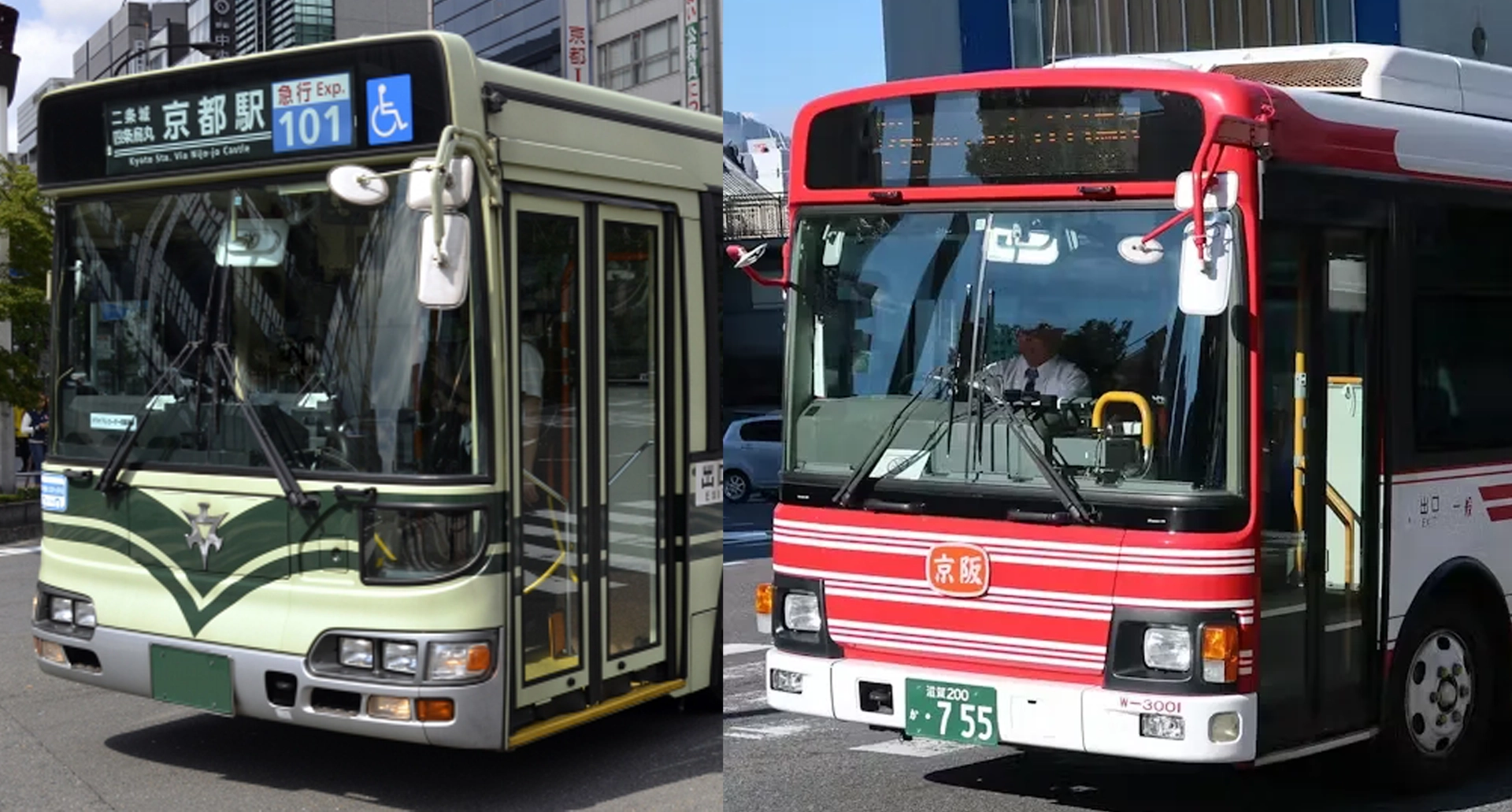
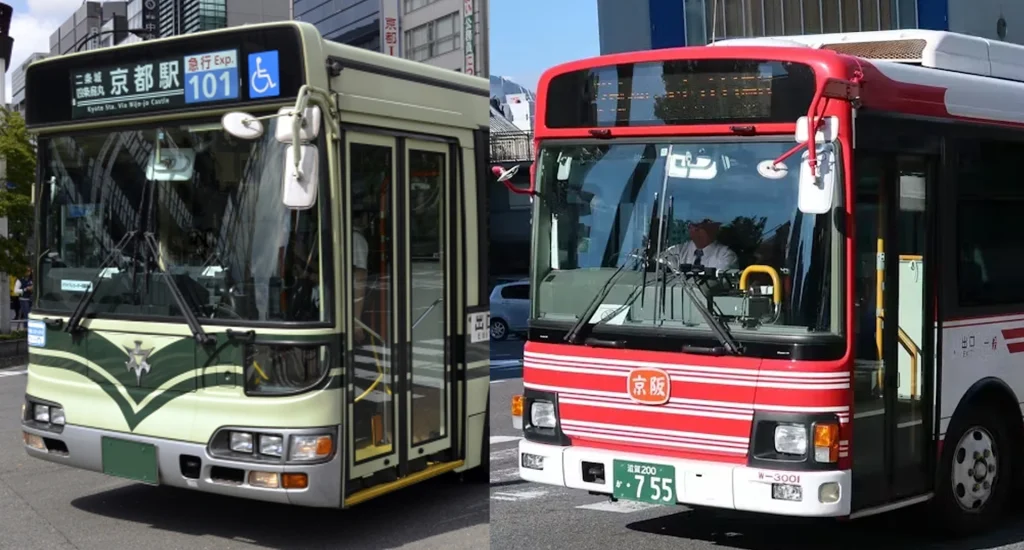
Kyoto’s massive popularity among both domestic and international tourists has led to chronic congestion on public transportation. Since Kyoto City relies heavily on its bus network, major bus routes are constantly packed and subject to frequent traffic delays, making planned itineraries difficult to follow.
This article provides an efficient and comfortable sightseeing itinerary that centers around Kyoto’s rail network, allowing you to minimize the stress of congestion and maximize your precious travel time.
Contents
1. Why Is Getting Around Kyoto So Difficult?
The main reason for Kyoto’s congestion is its reliance on buses for city transport. Because buses are susceptible to road traffic, the increasing tourist demand directly translates into higher risks of severe delays.
1-1. The Reality of Kyoto City Bus Delays
As many travelers experience, delays of up to 30 minutes are common on key bus routes.
This difficult situation leads to one clear conclusion: routes that attempt to connect major tourist spots directly by bus are often the most inefficient and crowded. To ensure a comfortable trip, we must break this reliance on the conventional bus routes.
2. Three Strategies to Comfortably Avoid Congestion
To navigate Kyoto smoothly and avoid the hassle, here are three essential strategies that minimize dependence on the city bus system:
① Prioritize Rail (Trains & Subway)
Japan’s rail system is known for its punctuality. While Kyoto’s railway network (JR, Subway, private lines like Keihan, Hankyu, and Randen) is less extensive than Tokyo’s, combining these lines allows you to completely bypass traffic jams.
② Utilize Private Bus Operators
Avoid the often-overcrowded Kyoto City Buses by looking for services operated by private companies, such as Keihan Bus or Kyoto Bus. These lines may offer a less crowded alternative.
③ Change Your Starting Point (Skip Kyoto Station)
Most tourists start their journey at Kyoto Station, leading to perpetual chaos at the bus terminal. By beginning your day from a different hub, such as a Keihan Line station (Demachiyanagi Sta.) or a major Subway station, you can effectively avoid the main tourist bottleneck.
3. 【Hidden Routes】A Rail-Centric Model Itinerary
This model course uses the JR, Keihan Rail, Subway, and Randen (tram) lines as its backbone, allowing you to visit major attractions efficiently while avoiding notorious tourist crowds.
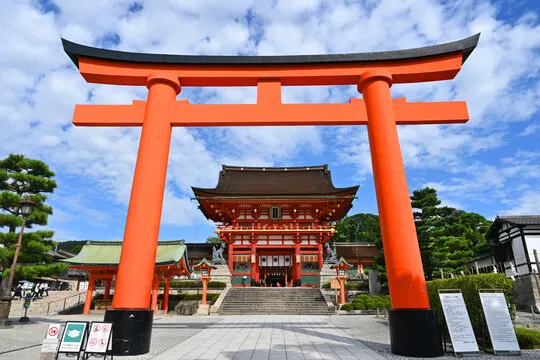
⛩️ 1. Start Your Trip: Bypass Kyoto Station and Head to Fushimi Inari
| Starting Point | Destination Station | Transportation and Connection |
| Kansai International Airport (KIX) | Fushimi Inari Station | Transfer from Nankai Line → Keihan Line |
| Tokyo Area | Inari Station | Shinkansen to Kyoto Sta. → Transfer to JR Nara Line (1 stop) |
Tip: Since most tourists stop at Kyoto Station, you can either pass through Kyoto Station or take the JR line for just one stop to reach Fushimi Inari Taisha, the head shrine of the Inari shrines, and its famous Senbon Torii gates.
🏯 2. Fushimi Inari → Kyoto Imperial Palace (Imperial History)
| Section | Transportation | Nearest Station | Benefit |
| Fushimi Inari → Kyoto Imperial Palace | Keihan Rail (Semi Express) | Jingū-Marutamachi Station | The Keihan Line runs along the Kamo River, allowing you to skip traffic and enjoy beautiful city views while moving quickly. |
Sightseeing: The Kyoto Imperial Palace was the residence of the Emperor from 794 until the Meiji Restoration. Its spacious grounds are perfect for a refreshing break.
🏰 3. Kyoto Imperial Palace → Nijō Castle (Shogun’s History)
| Section | Transportation | Transfer | Nearest Station |
| Kyoto Imperial Palace → Nijō Castle | Kyoto Subway | Karasuma Line → Tōzai Line | Nijōjō-mae Station |
・Tip: Utilize the Subway to travel quickly and directly from the Palace (Imadegawa/Marutamachi Sta.) to Nijō Castle without encountering any road traffic.
・Sightseeing: Built by the first Tokugawa Shogun in 1603, Nijō Castle was the stage for both the beginning and the end of the Tokugawa Shogunate.
🎋 4. Nijō Castle → Arashiyama (Scenic Beauty)
| Section | Transportation | Transfer | Nearest Station |
| Nijō Castle → Arashiyama | Subway → Randen (Keifuku Line) | Tōzai Subway Line → Randen Keifuku Line | Arashiyama Station |
・Tip: The Randen (streetcar) completely bypasses the congested bus routes leading to Arashiyama. The scenic ride itself is part of the local Kyoto experience.
・Sightseeing: Arashiyama is famous for the Togetsukyo Bridge and its bamboo forest.
🥋 5. Arashiyama → Ninna-ji, Ryōan-ji, Kinkaku-ji (Zen Temples)
| Section | Transportation | Transfer | Nearest Station |
| Arashiyama → Ninna-ji, Ryōan-ji Area | Randen (Keifuku Line) | Randen Arashiyama Main Line → Randen Kitano Line | Omuro-Ninna-ji Station |
Tip: Taking the Randen Kitano Line allows for comfortable access close to these major Zen temples, which are all within walking distance of each other.
Sightseeing:
・Ninna-ji: A historic temple known for its late-blooming cherry blossoms.
・Ryōan-ji: Famous for its mysterious rock garden, a masterpiece of Zen aesthetics.
・Kinkaku-ji (Golden Pavilion): Admire the spectacular gold-plated exterior.
⛰️ 6. Kinkaku-ji → Kurama-dera & Kifune Shrine (Mountain Power Spots)
| Section | Transportation | Transfer | Nearest Station |
| Kinkaku-ji → Kurama/Kifune | City Bus (Secret Route) → Eizan Rail | “Senbon Kitaōji” Bus Stop → Kita 8 Route → “Shūgakuin-ekimae” Bus Stop → Eizan Railway | Kurama Sta./Kibuneguchi Sta. |
Tip: Take the Kita 8 City Bus line, which is typically less crowded than other major routes, to reach the Eizan Railway station. The Eizan Rail then takes you quickly into the mountain area.
Sightseeing:
Kurama-dera: A sacred mountain said to be home to Tengu (mythical mountain spirits) and famous as the place where the legendary hero Ushiwakamaru (Minamoto no Yoshitsune) was raised.
Kifune Shrine: Known for the god of water and matchmaking. Try the unique mizu-mikuji (water fortune-telling).
| Section | Transportation | Transfer | Nearest Station |
| Kurama/Kifune → City Center | Eizan Rail → Keihan Rail | Transfer to Keihan Rail at Demachiyanagi Station | Gion-Shijō Station |
Tip: Returning via the Keihan Line allows you to skip traffic and go directly to the central entertainment district of Kawaramachi. Gion-Shijō Station provides walking access to Kawaramachi, Yasaka Shrine, and Kiyomizu-dera.
Sightseeing:
Kawaramachi: Kyoto’s largest commercial area, perfect for souvenir shopping and street food at Nishiki Market.
Yasaka Shrine: The head shrine for thousands of Yasaka Shrines across Japan.
Kiyomizu-dera: Famous for its wooden stage offering breathtaking panoramic views of Kyoto.
この記事へのコメントはありません。