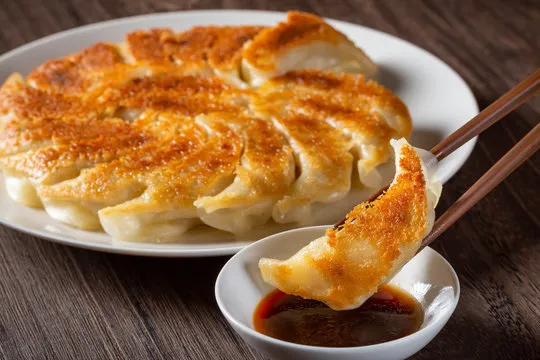
Tochigi Prefecture is widely known for the alpine resorts of Nasu and the history of Nikko. However, the central region of the prefecture offers entirely different and vibrant experiences. This article focuses on a unique itinerary combining Utsunomiya, the “Gyoza Capital,” Mashiko, the traditional pottery town, and the dramatic underground chambers of the Oya Stone Quarry.
This combination is the perfect complement to nature and history exploration, allowing you to fully experience modern Tochigi culture, exciting cuisine, and hidden geological wonders in one seamless trip.
Contents
1. Utsunomiya: Gyoza Capital and Travel Hub
Utsunomiya is the prefectural capital and a major transport hub. It is famously locked in an annual competition with Hamamatsu City for the title of the “Highest Gyoza Consumption,” and this local food culture is a massive draw for visitors.
1-1. Gyoza Street: The Ultimate Dumpling Tasting Experience
While there are over 80 gyoza specialty shops in Utsunomiya, the most bustling and popular area for tasting and taking Instagram-worthy photos is “Gyoza Street.”
The official name of Gyoza Street is Miyajimachō Street (宮島町通り), extending east from behind the Omotesandō Square near the Futaarayama Shrine. Located halfway between JR Utsunomiya Station and Tobu Utsunomiya Station, it is easily accessible for tourists.
Access Information (Crucial for Travelers without a Car):
The closest bus stop to Gyoza Street is the “Utsunomiya Futaarayama Jinja-shita” stop, which is easily recognizable by its gyoza-shaped bus shelter roof.
This stop is serviced by the “Kibuna City Loop Bus” (市内循環バスきぶな). This bus circles the central city from Utsunomiya Station, and the flat fare of ¥170 JPY makes it a highly convenient way to get around the downtown area.
Featured Gyoza Street Restaurants
Tonkikki
Access: 4-2-3 Babadori, Utsunomiya, Tochigi Prefecture
Hours: 11:00 AM–2:30 PM / 4:00 PM–8:00 PM (Closed New Year’s)
Tabelog: https://tabelog.com/tochigi/A0901/A090101/9015398/
Highlight: The popular “Pork Belly Lettuce Gyoza” features savory pork dumplings wrapped in fresh lettuce grown in their in-house vertical farming unit. This light and refreshing style is especially popular among female visitors.
Gyoza no Carol
Access: 2-18 Miyamachi, Utsunomiya, Tochigi
Hours: Mon, Tue, Wed, Fri, Sat, Sun 11:30 AM–3:00 PM / 5:00 PM–8:00 PM
Closed: Thu
Tabelog: https://tabelog.com/tochigi/A0901/A090101/9017437/
Highlight: Handmade by a veteran owner, these dumplings feature thick, chewy wrappers and a predominantly meat-based filling. Their unique “Shrimp Seafood Gyoza,” finished with a paste of shrimp and squid, offers a distinct flavor.
Goku
Access: Hinoya Building 1F, 4-2-4 Babadori, Utsunomiya, Tochigi Prefecture
Hours:
Mon–Thu 11:30 AM–7:30 PM (Last Order for food: 6:45 PM)
Sat, Sun, Holidays 11:00 AM–8:00 PM (Last Order for food: 6:45 PM)
Closed: Fri
Official Website: https://www.goku-gyoza.com/
Tabelog: https://tabelog.com/tochigi/A0901/A090101/9014744/
Highlight: Offers perfectly balanced gyoza made with locally sourced vegetables and meat. Their juicy “Special Meat Gyoza” and enormous “Jumbo Gyoza” (2.4 times the normal size!) are crowd favorites. They also serve a tasting set featuring four varieties: Meat, Vegetable, Shrimp, and Shiso.
Other Major Gyoza Spots in Utsunomiya
Utsunomiya Min Min
Tabelog: https://tabelog.com/tochigi/A0901/A090101/9000045/
A household name in the gyoza world, known for its simple yet deeply flavorful dumplings centered on rich vegetable umami.
Masashi
Tabelog: https://tabelog.com/tochigi/A0901/A090101/9000046/
A purist favorite, serving only two types—pan-fried gyoza and boiled gyoza. They are famously known for not serving rice or beer.
Kirasse
Tabelog: https://tabelog.com/tochigi/A0901/A090101/9000221/
A food-court-style facility where 30 popular gyoza shops from the city rotate daily. The ideal place to efficiently compare a wide range of flavors.
1-2. Transportation Hub and City Landmarks
Utsunomiya is strategically located, providing easy access to Nasu, Nikko, and Tokyo. The unique “Gyoza Statue” (also known as the Miyarii Statue) in front of the station is a fun, essential photo spot symbolizing the city’s unique identity.
2. Mashiko: Where Tradition and Modern Craftsmanship Meet
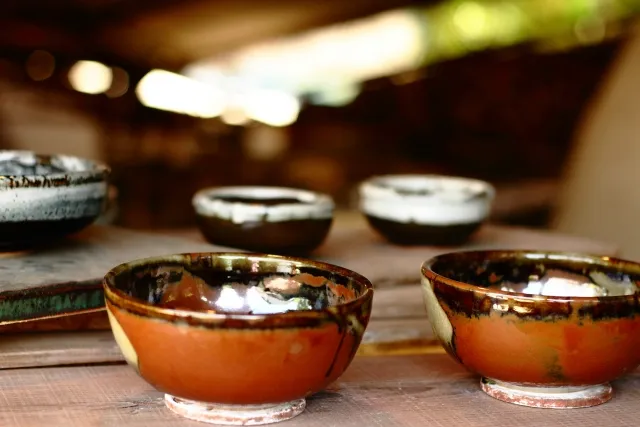
Mashiko is the town famous for Mashiko Ware (Mashiko-yaki), pottery traditionally produced in the surrounding area of Haga District, Tochigi Prefecture. While less famous than some other Japanese ceramics, its distinctive rustic simplicity and robust feel are highly appealing to modern craft lovers and travelers seeking authentic artisan experiences.
2-1. The “Rustic Beauty” of Mashiko Ware
The primary charm of Mashiko Ware lies in its thick, simple texture and sturdy, weighty appearance. Historically focused on everyday items like bowls and pots, the town now creates many artistic pieces, and the whole area thrives with kilns and galleries.
Key Characteristics (Material and Technique):
・Material and Texture: The local clay is coarse and less viscous, which results in thick, plump pottery with a rustic, warm texture.
・Glaze and Coloring: Glazes often utilize stone powder and old iron filings. Coloring is distinctively applied using a dog hair brush (kenpitsu).
Brochure:http://www.mashiko-kankou.org/pamphlet/index.shtml
(Source Note: Information on Mashiko Ware and Mashiko Town is based on public information from Mashiko Town, such as the Mashiko Marugoto BOOK.)
Tougei Taiken Kyoshitsu Yokoyama
Address: 3527-7 Mashiko, Mashiko-machi, Haga-gun, Tochigi Prefecture, 321-4217
Hours: 9:00 AM–5:00 PM (Last admission 3:00 PM)
Closed: Mondays (if Monday is a national holiday, the following weekday will be closed instead); additionally closed two Tuesdays per month.
Official Website: https://tougei.net/tougei
Note: The facility also includes a pottery studio, café, bakery, and pottery shop.
Gallery STARNET
Address: 3278-1 Mashiko, Mashiko-machi, Haga-gun, Tochigi Prefecture, 321-4217
Official Website: https://www.starnet-bkds.com/
Highlight: A cultural complex featuring a gallery that showcases works by young and contemporary Mashiko artists, combined with a café serving organic ingredients. It is a place where visitors can experience a refined fusion of traditional and modern Mashiko Ware.
2-2. Mashiko Town Appeal: Walking and the Pottery Fair
Mashiko Town feels like one large open-air gallery, dotted with numerous kilns (kamamoto) and unique galleries.
・The Pottery Market (Tōkiichi): Held annually in the Spring (Golden Week) and Autumn (early November), the Mashiko Pottery Market is a major event, drawing around 500,000 visitors. Artists and vendors set up tents, creating a massive, vibrant marketplace where you can hunt for unique treasures.
・Pottery Experience: Many studios offer hands-on experiences, including electric pottery wheels, hand-building, and painting classes. This is a great opportunity to connect with Japanese craft culture and create your own original souvenir.
3. Ōya History Museum : The Mystical Underground Cathedral
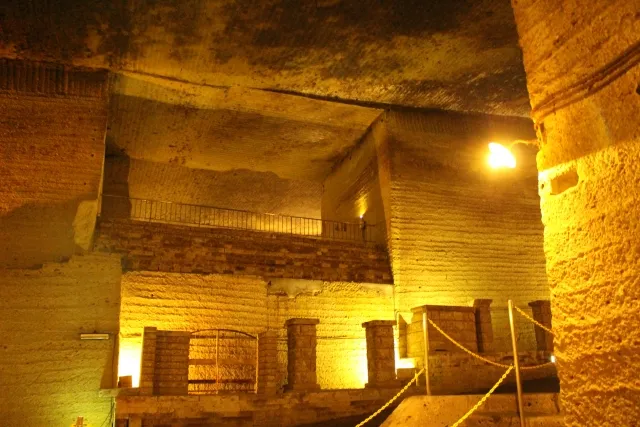
The Ōya Stone Quarry was a vast underground mining operation that supplied the distinctive, light, and soft Ōya Stone used in countless buildings in Tokyo and the surrounding region. Mining ceased in the 1980s, and the site has been dramatically reborn as a stunning tourist attraction.
3-1. Ōya History Museum (Oya Shiryokan)
The museum is located within the quarry itself, preserving the history of manual stone excavation dating back to the Edo period. However, the biggest draw is the gigantic underground space itself, which resembles an ancient ruin or a subterranean temple.
・Official website:http://www.oya909.co.jp/
・Address: 909 Ōyamachi, Utsunomiya, Tochigi 321-0345
・Access: Approx. 30 minutes by Kanto Bus (bound for Ōya/Tateiwa) from the West Exit of JR Utsunomiya Station.
・Hours: 9:00 AM–5:00 PM (Last entry 4:30 PM. Hours may vary in winter)
・Admission: ¥800 JPY (Middle School age and up)
The cavern reaches an average depth of 30m, and up to 60m in the deepest parts, creating a dramatic, illusory atmosphere often described as an “Underground Cathedral.” The internal temperature remains consistently low year-round (around 8°C/46°F), so a jacket or warm layer is essential.
3-2. Instagram Hotspot and Venue Value
Due to its unique and dramatic setting, the Ōya History Museum is frequently used as a filming location for movies, commercials, and music videos. The magical lighting and stone walls make it an incredibly popular “Hidden Japanese Gem” on social media, perfect for travelers seeking a highly photogenic and non-traditional experience.
4. Touring Plan: Connecting from Nasu/Nikko and the 3-Area Itinerary
Utsunomiya is ideally positioned in the center of the region, making it a perfect hub for wider exploration.
4-1. Access and Transit Strategy
From Nasushiobara: Direct access to JR Utsunomiya Station is possible via Shinkansen (approx. 15 min) or the JR Tōhoku Line (approx. 45 min).
From Nikko: Direct access to Utsunomiya Station via the JR Nikko Line (approx. 45 min).
Intra-Area Transit:
To Oya Museum: The route bus from Utsunomiya Station is the most convenient.
To Mashiko: The most common route is to take the JR to a connecting station, then transfer to the Mooka Railway, or use the Tobu Bus.
4-2. Recommended 1-Day Cultural Experience Model Course
This course is designed for travelers staying in Nasu or Nikko who want to efficiently experience the food and culture around Utsunomiya in a single day.
| Time | Area | Theme | Activities |
| Morning | Ōya | Underground Scenic Wonder | Travel from Utsunomiya Station by bus to the Ōya History Museum. Explore the subterranean space and take spectacular, atmospheric photos. |
| Afternoon | Mashiko | Immersing in Traditional Crafts | Travel to Mashiko by bus or taxi. Engage in a pottery-making class or browse the galleries at the Pottery Association. Find an original piece of Mashiko Ware souvenir. |
| Evening | Utsunomiya | Gyoza Tasting Tour | Head to the Utsunomiya Station area or Gyoza Street. Visit Kirasse or a specialty shop to compare multiple gyoza varieties and fully embrace the local food culture. |
Summary: A Different Side of Tochigi Culture
A trip spanning Utsunomiya, Mashiko, and the Ōya History Museum offers a unique opportunity to experience the dynamic food culture of a Japanese regional city, timeless traditional crafts, and the dramatic, non-ordinary scenery created by nature and industry—all at once.
Be sure to combine this experience with your stay in Nasu or Nikko to fully appreciate the diverse attractions of Tochigi Prefecture.
この記事へのコメントはありません。