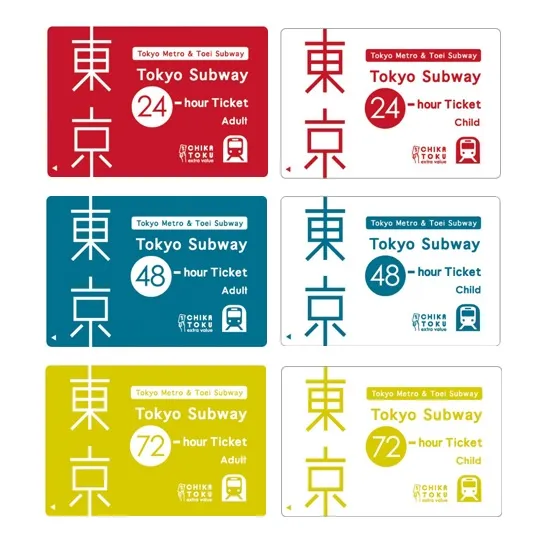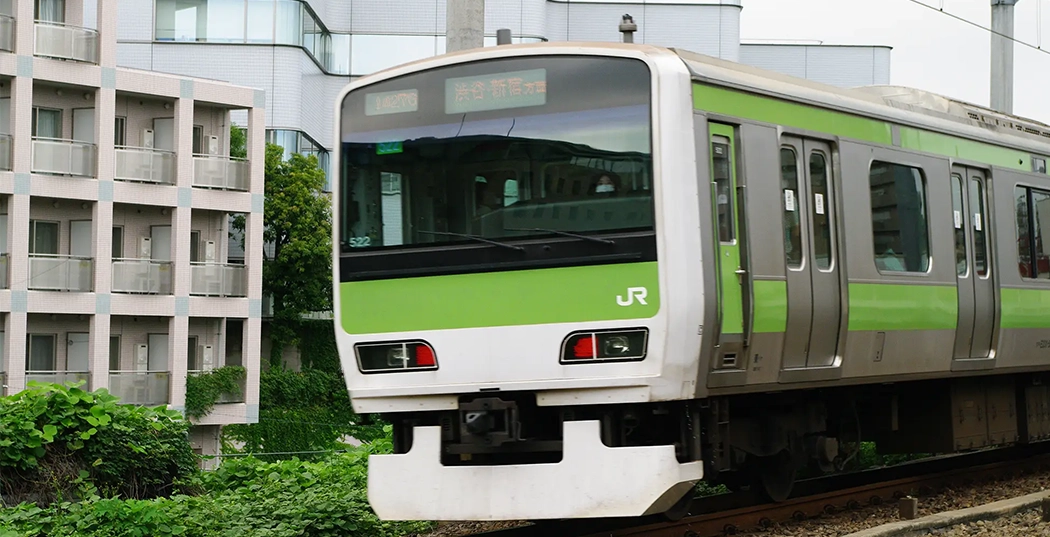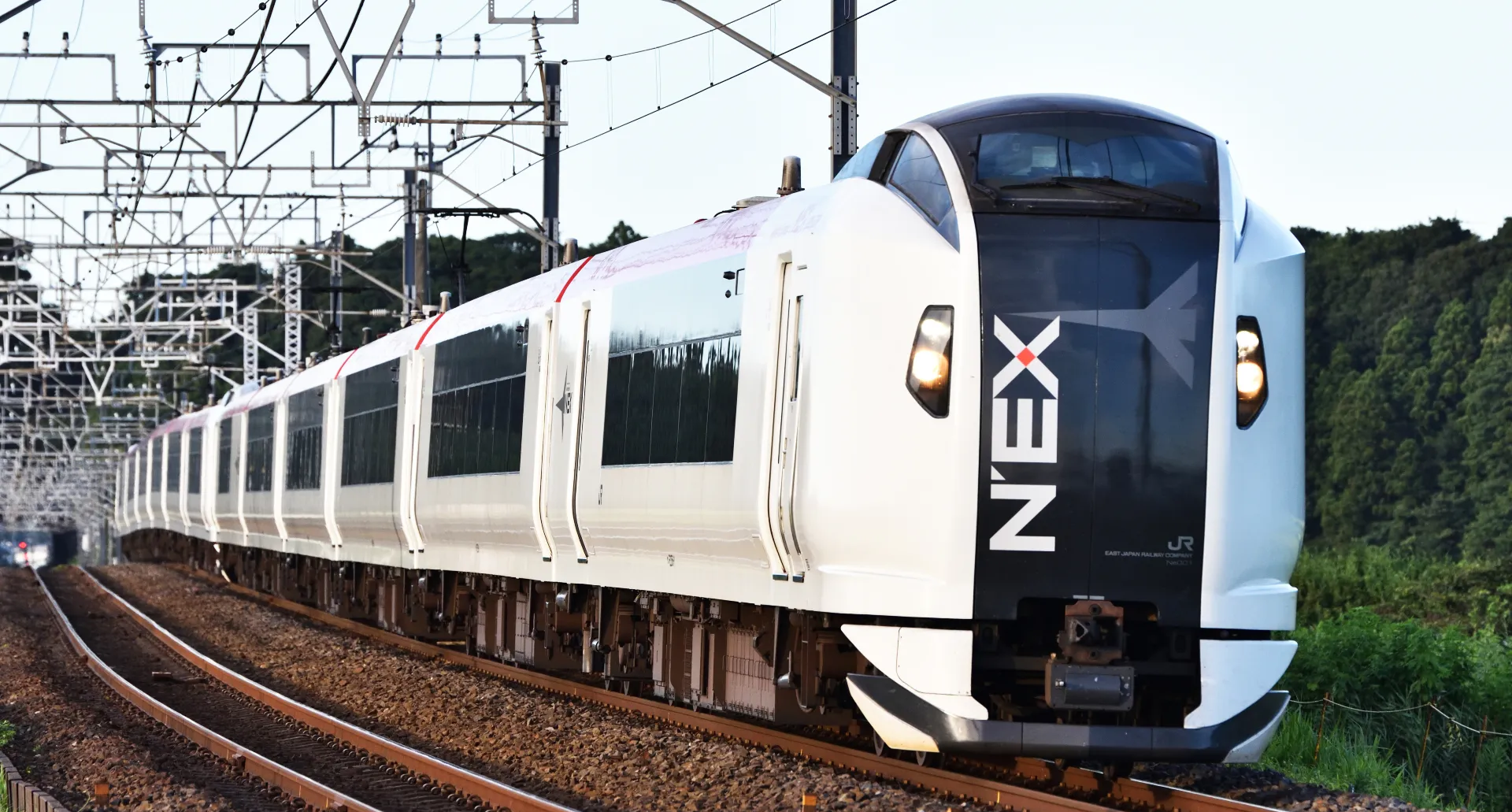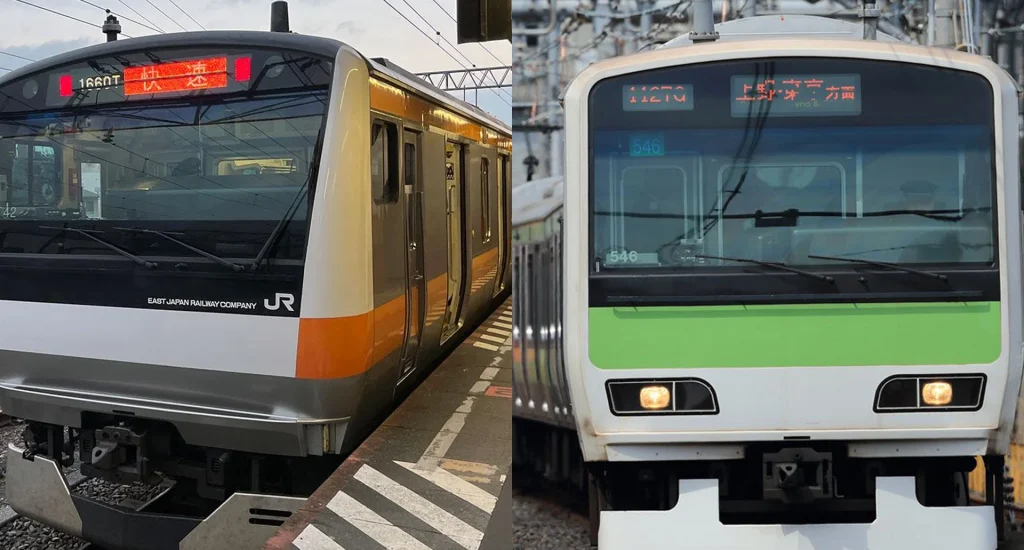
The Tokyo Subway Ticket (TST) is convenient, but many major terminal stations like Shinjuku, Shibuya, and Tokyo Station are operated by JR (Japan Railways), particularly the Yamanote Line.
This guide focuses specifically on utilizing the JR Lines and Yamanote Line, detailing the best value passes and explaining the critical role of IC cards for efficient movement around the city.
Contents
1. JR Lines and Yamanote Pass Fundamentals
While the subway system consists of two operators (Tokyo Metro and Toei Subway), Tokyo’s core JR lines (Yamanote, Chuo, Keihin-Tohoku, etc.) are run by a single company: JR East.
Critical Point: No Dedicated Yamanote All-You-Can-Ride Pass
While JR lines are covered by the nationwide “Japan Rail Pass (JR Pass)”, there is fundamentally no dedicated, short-term unlimited pass for foreign tourists focused solely on the Tokyo Yamanote Line and central city area.
For traveling on JR lines within central Tokyo, you have two primary options:
| Option | Fare Structure | Best For |
| ① IC Card (Suica / PASMO) | Fares deducted per ride (no discount) | Daily trips within the city, occasional JR use, and general electronic payment. |
| ② JR Regional Pass | Fares included in the pass price (unlimited JR use) | Extended trips (3+ days) covering wide areas around Tokyo (Mt. Fuji, Nikko, etc.). |
2. Best Value Regional Passes for Extended Trips
If you plan to leave the city center for a day or overnight trip to the Tokyo outskirts, the following regional pass offered by JR East provides the highest cost-performance for foreign visitors.
JR TOKYO Wide Pass
| Key Item | Details |
| Eligibility | Foreign tourists or Japanese nationals temporarily returning home (short stay) |
| Validity | 3 consecutive days |
| Price (Adult) | ¥15,000 |
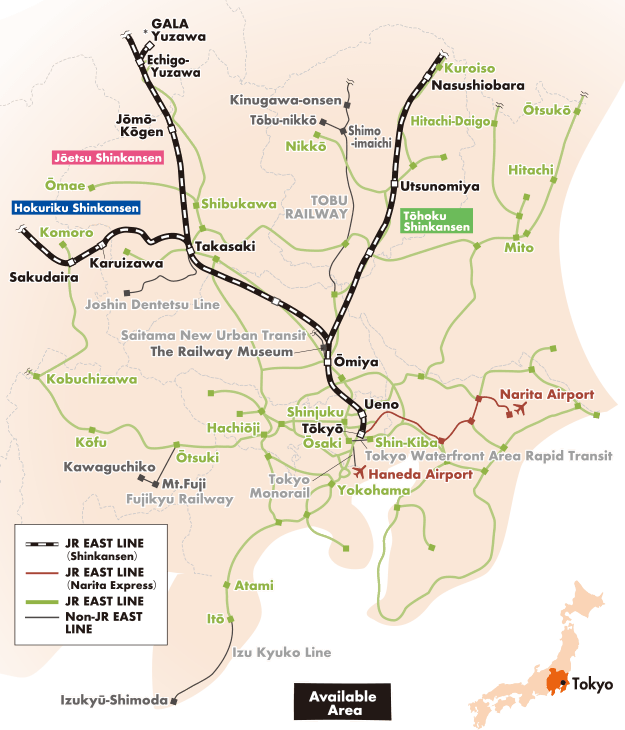
| Coverage Area | Central Tokyo (including the Yamanote Line), Mt. Fuji/Kawaguchiko, Nikko, Karuizawa, Izu, and access to Narita/Haneda Airports (wide area). |
| Benefit | Unlimited travel on Shinkansen (Tohoku, Joetsu, Hokuriku) and Limited Express trains (Narita Express, Fuji Excursion, Odoriko, etc.) in non-reserved and reserved seats. Ideal for high-cost, long-distance routes. |
| Recommended For | Travelers visiting two or more distant locations from Tokyo (e.g., Nikko and Mt. Fuji) within 3 days. |
| Official Site URL | https://www.jreast.co.jp/multi/pass/tokyowidepass.html |
[IMPORTANT NOTICE!] This pass covers JR lines, certain private railways (like Fujikyu Railway), and some Shinkansen sections. However, it is NOT valid on Tokyo Metro, Toei Subway, or most other private railways (with some exceptions like the Tobu Line to Nikko).
Tokyo Metro & JR Line Value Pass
This pass is intended for commuter/student use and is a type of joint-operator commuter ticket. It is not recommended as a cost-saving unlimited pass for short-term tourists.
3. The Urban Key: IC Cards (Suica / PASMO)
Whether you forgo the regional pass or use the JR Line in conjunction with your TST, an IC card is indispensable for central Tokyo travel.
① Welcome Suica Mobile (Recommended)
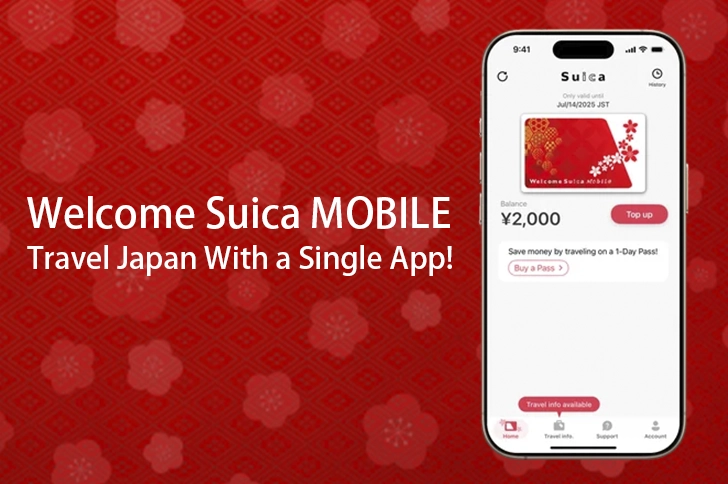
Eligibility:Foreign tourists (short-term visitors)
How to Use:Download the dedicated app on an iOS smartphone and charge it (no physical card needed).
Benefit:Eliminates the need to worry about physical card availability/stock and allows charging anywhere. Widely accepted on all Tokyo JR lines, private railways, buses, and for convenience store payments.
Details (JR East Official Site):https://www.jreast.co.jp/en/multi/welcomesuicamobile/
② Welcome Suica / PASMO PASSPORT (Physical Cards)
While sales of standard, unregistered Suica/PASMO are restricted, special commemorative physical cards for foreign visitors have partially resumed sales at select stations and airports.
Note: Physical card stock can be volatile. To ensure you have a payment method, we recommend using the app version (Welcome Suica Mobile) or purchasing a physical card immediately upon arrival at the airport.
4. Strategy: Combining JR Lines and Subway Passes (TST)
The most logical and common strategy for foreign visitors is to divide your ticket usage based on your travel radius.
| Goal | Recommended Pass/Tool | Notes |
| A. Central Tokyo Only | Tokyo Subway Ticket (TST) + Welcome Suica Mobile | Use the TST for unlimited subway rides, and use Suica Mobile (pay-as-you-go) only when the essential JR Yamanote Line is required. |
| B. Including Extended Trips | JR TOKYO Wide Pass + Cash or Welcome Suica | The JR Pass covers the Yamanote Line, express, and Shinkansen. Pay the fare separately with cash (or Suica) only when riding the Subway lines. |
Summary
For travelers moving frequently and across a wide area of Tokyo, a single pass cannot cover all your needs.
- For Subway Sightseeing: TST (Tokyo Subway Ticket)
- For Regional Travel/Shinkansen: JR TOKYO Wide Pass
- For Urban JR Use/Payments: Welcome Suica Mobile
Choose the optimal pass combination for your itinerary and enjoy a smooth and comfortable trip to Tokyo.