
In the middle of Tsukiji, famous for its massive fish market, stands a striking stone structure that looks like it belongs in ancient India. This is Tsukiji Hongwanji Temple. Unlike any other Buddhist temple in Japan, it captivates visitors with its stunning architecture, a massive pipe organ, and a legendary 18-dish breakfast. Here is your complete guide to experiencing this unique spiritual landmark with all five senses.
Contents
1. Architectural Brilliance: Why is it so different?
Tsukiji Hongwanji belongs to the Jodo Shinshu Hongwanji-ha sect, with its mother temple (Nishi Hongwanji) located in Kyoto. Its most striking feature is its unique architectural design, which breaks away from traditional Japanese wooden temple aesthetics.
“Ancient Indian Style” Seeking the Roots of Buddhism
Rebuilt in 1934, the main hall was designed by Dr. Chuta Ito, a legendary architect and professor at the University of Tokyo. He sought to express the origins of Buddhism by incorporating styles from India, where the religion was born. The exterior, modeled after the Great Stupa of Sanchi in India, creates an exotic, oriental atmosphere that is truly one-of-a-kind in Japan.
Indian Exterior, Japanese Heart: Tradition Meets Innovation
Step inside, and the exotic exterior gives way to a magnificent interior shining with traditional Japanese Jodo Shinshu gold leaf. However, look up and you’ll see Western-style chandeliers; look at the entrance and you’ll find vibrant stained glass. Most surprisingly, the temple houses a massive pipe organ. This perfect harmony of Asian Roots (Exterior), Japanese Tradition (Interior), and Western Culture (Features) is the essence of Tsukiji Hongwanji’s charm.
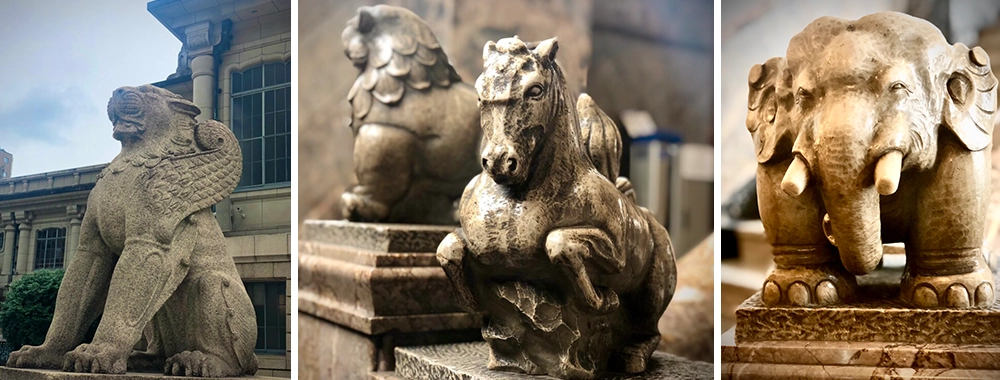
Hunt for the “Hidden Animal Sculptures”
Dr. Chuta Ito was known for his playful habit of incorporating mythical beasts and animals into his buildings. Throughout the temple grounds, you can find sculptures of winged lions, elephants, oxen, peacocks, and even the “Four Sacred Beasts” (like the Blue Dragon and Vermilion Bird). Searching for these hidden figures feels more like exploring an art museum than a traditional temple.
2. How to Enjoy Your Visit
The best way to experience the temple is to visit the Main Hall early in the morning for a prayer or moment of zen, followed by a famous temple breakfast.
Tsukiji Hongwanji Cafe “Tsumugi”
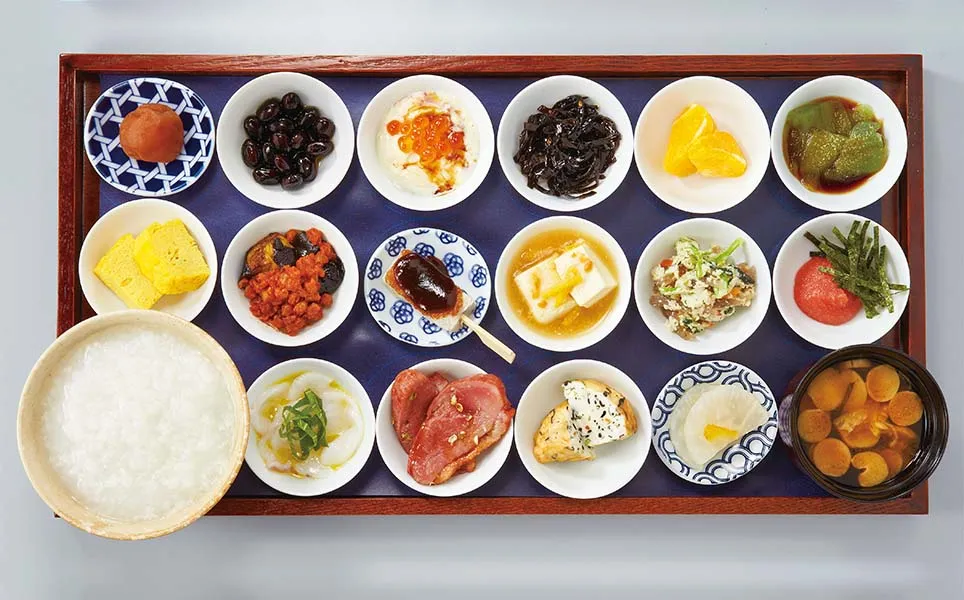
The highlight here is the “18-Dish Breakfast.” This colorful set features 16 small side dishes plus rice and miso soup, totaling 18 items. This number refers to the “18th Vow” of Amida Buddha—the most important of his 48 vows. You can enjoy local flavors from famous Tsukiji shops, such as tamagoyaki (rolled omelet) and tsukudani (simmered preserves).
Address:3-15-1 Tsukiji, Chuo-ku, Tokyo (Inside the Information Center)
Access:Directly connected to Tsukiji Station (Hibiya Line), Exit 1
Hours:8:00 AM – 6:00 PM (Breakfast served until 10:30 AM)
Official Website:https://tsukijihongwanji.jp/enjoy/meal-stay/
Tabelog:https://tabelog.com/tokyo/A1313/A131301/13215158/
Tsukiji Hongwanji Official Shop
The second-floor terrace offers a breathtaking panoramic view of the Main Hall—perfect for capturing the architectural details. The first-floor shop sells sophisticated souvenirs, including original incense created in collaboration with the historic Kyoto brand “Kungyokudo.”
Address:3-15-1 Tsukiji, Chuo-ku, Tokyo (Inside the Information Center)
Access:Directly connected to Tsukiji Station (Hibiya Line), Exit 1
Hours:9:00 AM – 5:00 PM
Official Website:https://tsukijihongwanji.jp/enjoy/gift/
3. Essential Info & Tips for Visitors
Avoiding the Crowds
While the temple is generally peaceful, it gets busier between 11:00 AM and 2:00 PM. It becomes very crowded during major events like the Obon Festival, the Bon Odori Dance (August), Hoon-ko (November), and the New Year holidays. For a quiet experience, we recommend visiting in the early morning.
Commemorative Stamps (Not Goshuin)
In the Jodo Shinshu sect, traditional “Goshuin” (temple seals) are not issued. Instead, you can collect a free Commemorative Visit Card and stamp inside the Main Hall. The card designs often change monthly, making them a beautiful and unique memento of your trip.
【The Perfect Combo】Visit with Tsukiji Outer Market
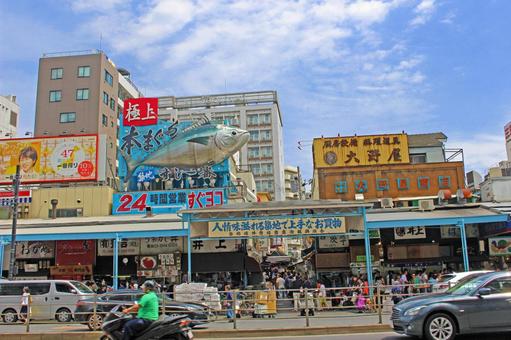
Right next to the temple is the famous Tsukiji Outer Market, where you can enjoy fresh seafood bowls and street food. Starting your morning with the energetic bustle of the market and then retreating to the serene beauty of the temple creates a perfect “Active & Zen” contrast—a must-do route for any Tokyo traveler.
Address:3-15-1 Tsukiji, Chuo-ku, Tokyo (Main Temple Grounds)
Access:A few steps from Tsukiji Station (Hibiya Line)
Worship:Hours 6:00 AM – 4:00 PM (Main Hall)
Admission Free
Official Website:https://tsukijihongwanji.jp/global/guide/
Summary: Where Silence Meets Culinary Excellence
Tsukiji Hongwanji is not just a religious site; it is an open “Cultural Intersection” where everyone is welcome. Experience the fascinating blend of Japan’s modernization and its deep-rooted traditions in this peaceful sanctuary, just steps away from the city’s busiest market.