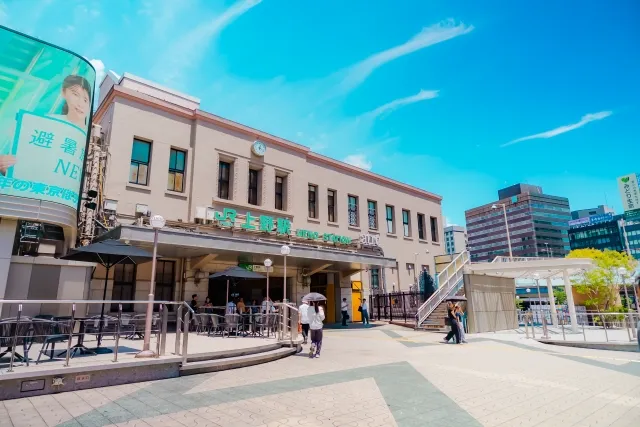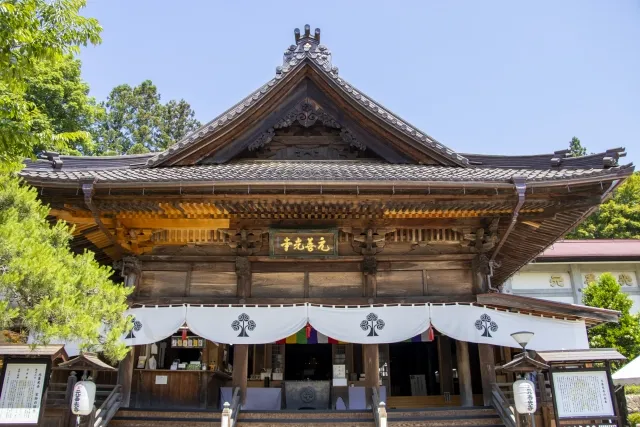
Nagano Prefecture is home to two of Japan’s most iconic landmarks: the spiritual sanctuary of Zenko-ji Temple and the majestic “Crow Castle,” Matsumoto Castle. Combining ancient history with world-class contemporary art, this area offers a profound journey into the heart of Japanese culture. This guide provides the historical context and essential tips you need for an unforgettable experience.
Contents
1. Zenko-ji Temple: An All-Inclusive Sanctuary
Historical Background: 1,400 Years of Non-Sectarian Prayer Founded in 642, Zenko-ji is one of Japan’s oldest and most significant temples. Its most defining feature is that it is non-sectarian. In an era when religious salvation was often restricted by gender or status, Zenko-ji opened its doors to everyone, regardless of background. Its principal image is said to be the first Buddhist statue ever brought to Japan, making it a cornerstone of Japanese spirituality.
Must-See Highlights Within the Grounds:
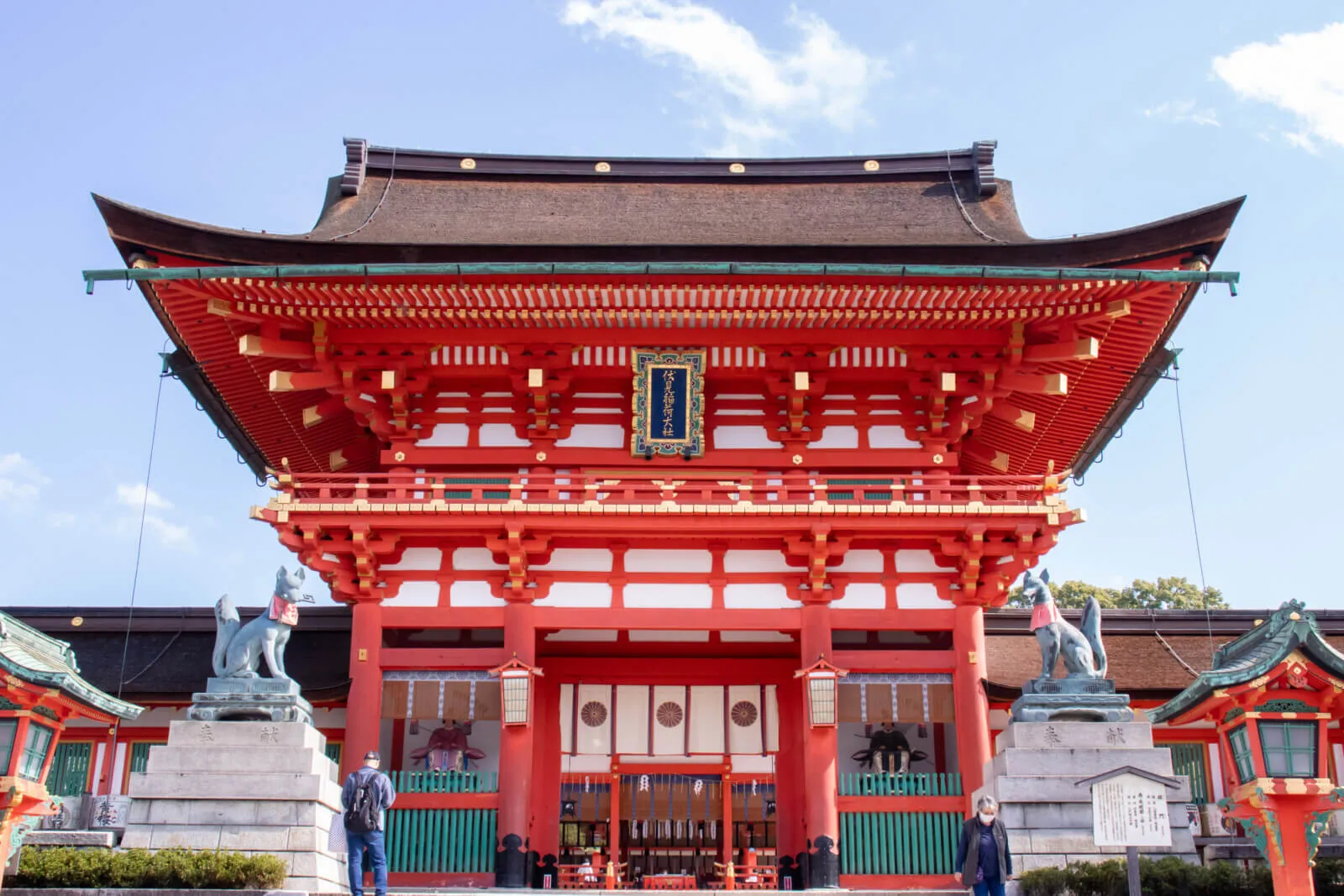
- Niomon Gate: The entrance gate guarded by two fierce Nio statues. These protectors ward off evil spirits and welcome pilgrims into the sacred space.
- Sanmon Gate: An impressive wooden gate. Look closely at the “Zenko-ji” plaque—the characters are cleverly designed to hide the shapes of five doves.
- Main Hall (National Treasure): One of the largest wooden structures in Eastern Japan. It is supported by 108 pillars, symbolizing the 108 worldly desires in Buddhist belief.
- Binzuru-sonja: A wooden statue near the entrance. It is believed that by rubbing the statue on the same part of the body where you feel pain or illness, you will be healed. Its face is worn smooth by centuries of touch.
- Okaidan-meguri (The Tunnel of Darkness): Descend into a pitch-black corridor beneath the altar. In complete darkness, feel your way along the wall to find the “Key to Paradise.” Touching it is said to grant spiritual rebirth.
- Mirror of Judgment: Located near the exit, this mirror represents the tool Enma (the King of Hell) uses to reflect one’s past deeds. It’s a place for final self-reflection after your prayer.
📸 Best Photo Spot: Sanmon Gate from Nakamise-dori Frame the towering gate with the traditional pilgrim lodgings (Shukubo) lining the stone-paved street for a shot that captures the timeless atmosphere of a temple town.
🙏 Cultural Etiquette & Tips
- Purification: Use the water at the Temizuya (fountain) to rinse your hands before entering.
- Respect: Remove your hat and keep voices low inside the Main Hall.
- Photography: Taking photos is strictly prohibited inside the Main Hall.
- Offerings: Gently toss a coin into the offering box. Unlike at shrines, do not clap at temples. Simply bow and pray silently with your hands together.
🌟 Zenko-ji Experience Tip: For a truly immersive stay, book a Shukubo (temple lodging) to experience traditional vegetarian monk’s cuisine (Shojin Ryori) and join the morning rituals.
- [Check Zenko-ji Tours & Cultural Experiences on Viator]
- [Stay at a Traditional Shukubo on Booking.com]
Address Motozencho, Nagano City, Nagano
Access Approx. 15 mins by bus from JR Nagano Station.
Official Website https://www.zenkoji.jp/english/
2. Matsumoto Castle: The Magnificent “Crow Castle”
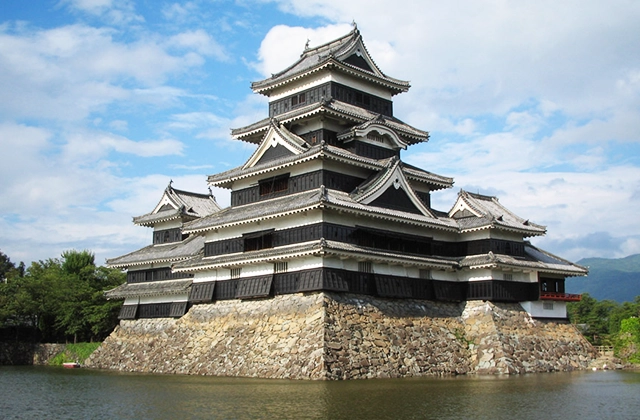
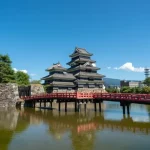
Historical Background: From Fortress to Peaceful Pavilion Built in 1504, Matsumoto Castle is the oldest surviving five-tiered, six-story castle tower in Japan. Known as the “Crow Castle” for its striking black exterior, it was designed for battle during the warring states period. Interestingly, as peace returned in the Edo period, a “Moon Viewing Pavilion” was added, creating a rare architectural blend of a military fortress and a cultural lounge.
Key Features to Spot Inside the Keep:
- 1st Floor: Stone Drops (Ishi-otoshi): Openings in the floor used to drop stones or boiling water on enemies climbing the stone walls.
- 2nd Floor: Warrior Windows (Musha-mado): Slotted windows designed for firing matchlock guns while remaining protected.
- 3rd Floor: The Hidden Floor: A windowless, secret floor that is invisible from the outside. It served as a secure area for soldiers and supplies during sieges.
- 4th Floor: The 61-Degree Staircase: The steepest stairs in the castle. They were designed to slow down invading enemies—be careful and use the handrails!
- 5th Floor: Rope Marks: Look for indentations on the pillars left by ropes used to pull the leaning castle back into place during major renovations in the early 1900s.
- 6th Floor: Guardian Deity: On the highest ceiling beam, you’ll find a shrine to the deity Niju-roku-ya-shin, believed to protect the castle from fire.
- Moon Viewing Pavilion: An elegant room with red railings added during peacetime. It represents the sophisticated aesthetic of the samurai class.
📸 Best Photo Spot: The Red Bridge (Uzumi-bashi) & Reflection Head to the northwest side of the moat to capture the red bridge, the black castle, and the Japanese Alps in one frame. On calm days, the reflection in the water is breathtaking.
🏯 Matsumoto Castle Special: Due to its popularity, entry wait times can be long during peak seasons. Booking a guided tour is highly recommended for priority information and deeper historical insight.
- [Book Matsumoto Castle Private Tours on Viator]
- [Find Top-Rated Hotels Near Matsumoto Castle on Booking.com]
Address 4-1 Marunouchi, Matsumoto City, Nagano
Access Approx. 15 mins walk from JR Matsumoto Station.
Official Website https://www.matsumoto-castle.jp/lang/
3. Matsumoto City Museum of Art
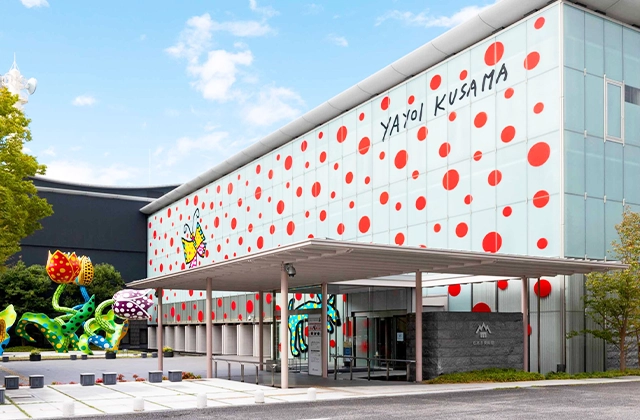
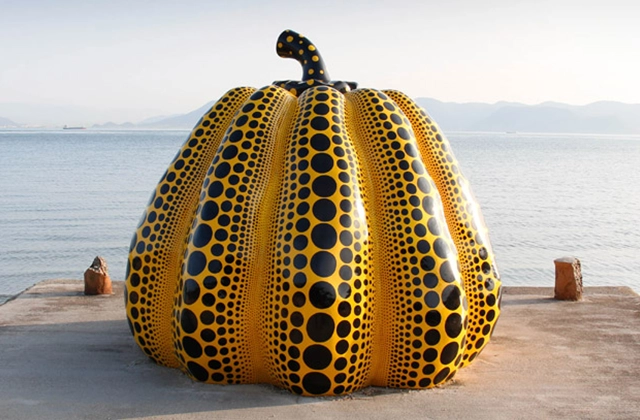
Experience the World of Yayoi Kusama This museum features a permanent exhibition of the world-renowned avant-garde artist Yayoi Kusama, who was born in Matsumoto. The entire building is a piece of art, from the polka-dotted vending machines to the benches outside.
📸 Best Photo Spot: “The Visionary Flowers” The massive, colorful floral sculpture at the museum entrance is a must-see. Its dynamic scale and vibrant dots make for an iconic photo.
Address 4-2-22 Chuo, Matsumoto City, Nagano
4. Nakamachi Street
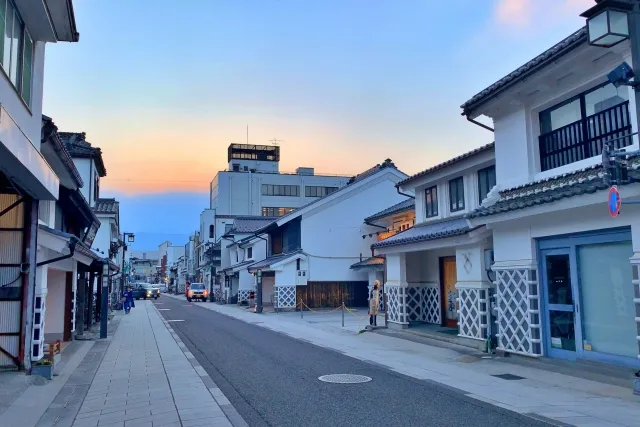
Traditional Merchant District A charming street lined with traditional “Kura” (storehouses) characterized by their beautiful black-and-white crisscross wall patterns (Namako-kabe). Today, these historic buildings house craft shops, antique stores, and chic cafes.
📸 Best Photo Spot: Namako-kabe Walls at Dusk The street feels most nostalgic in the late afternoon when the warm shop lights reflect off the cobblestones and traditional white walls.
Access Approx. 5 mins walk from Matsumoto Castle.
✨ Traveler’s Pro-Tips (Essential Information)
- Inter-city Travel: To get from Nagano (Zenko-ji) to Matsumoto (Castle), the JR Limited Express “Shinano” is your best bet (approx. 50 mins). Local trains take over 75 minutes, so the express is worth the extra cost.
- The “Cold Floor” Warning: You must remove your shoes to enter Zenko-ji’s Main Hall and Matsumoto Castle. The wooden floors are ice-cold in winter. Bringing thick thermal socks is a lifesaver.
- Large Luggage: The stairs inside Matsumoto Castle are extremely narrow and steep. Large backpacks or suitcases are not allowed inside. Use the coin lockers at the station or near the castle gate.
- Cash is King: While Japan is becoming more digital, many shops on Nakamise-dori and temple amulet stalls still only accept cash.