Tokyo is a city where ancient tradition meets futuristic innovation. While many travelers visit the usual tourist landmarks, Tokyo also hides a wealth of lesser-known architectural wonders—each with a story to tell. From serene temples in the forest to buildings designed by world-famous architects, here are 6 hidden architectural gems in Tokyo that will captivate architecture lovers, history buffs, and curious explorers alike.
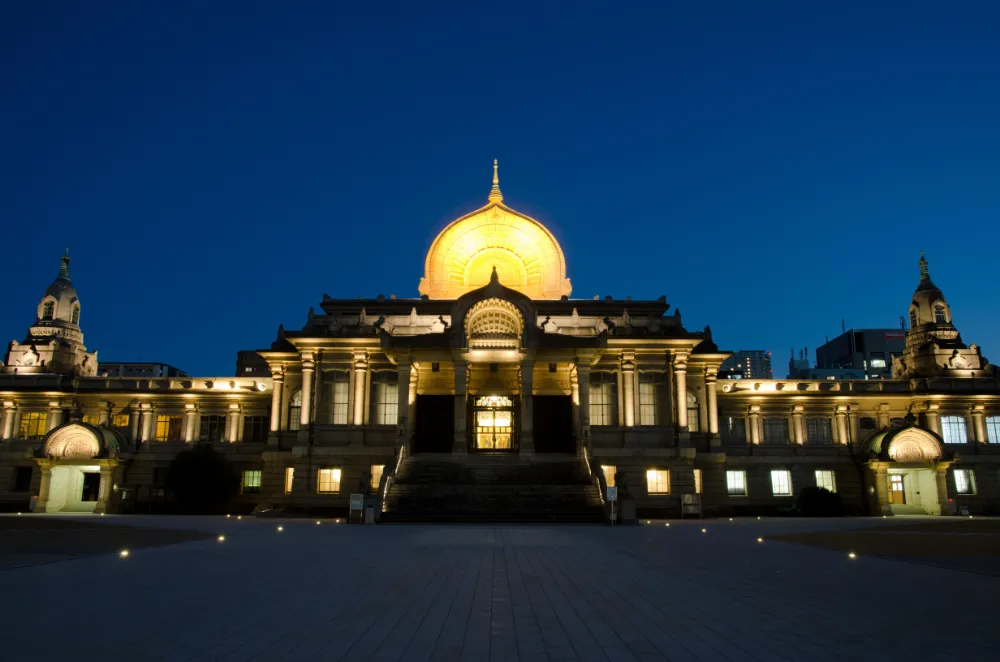
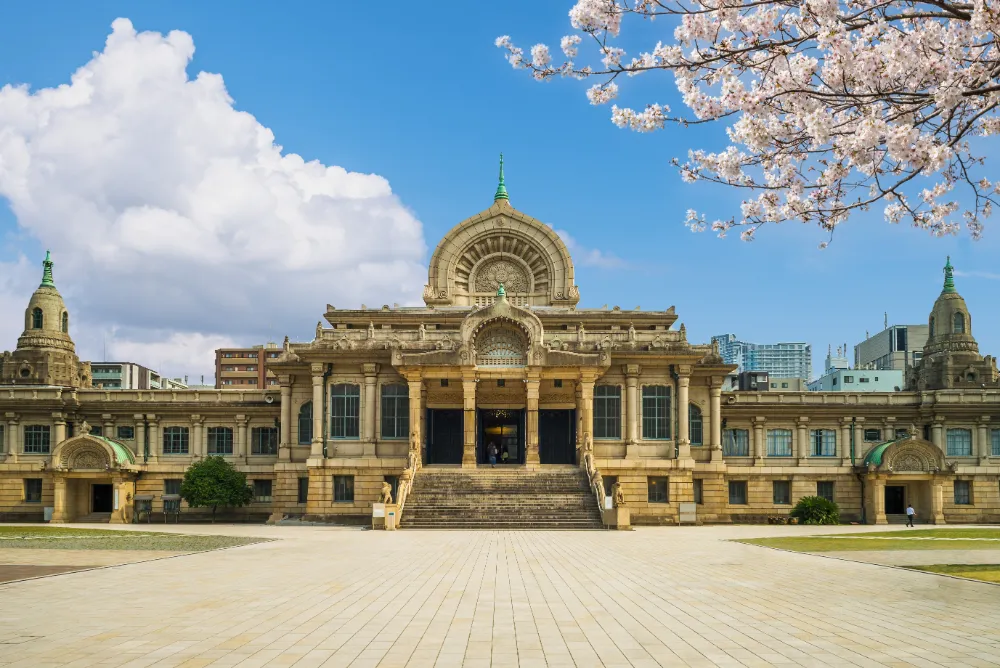
Located in the Tsukiji area of Tokyo, Tsukiji Hongwanji Temple is one of the most unique Buddhist temples in Japan. Unlike a traditional Japanese temple with wooden gates and pagodas, this impressive stone building features architectural influences from ancient Buddhist temples in India and across Asia. Its grand design often surprises visitors, as it looks more like a palace from the Middle East or India than a typical temple in Japan.
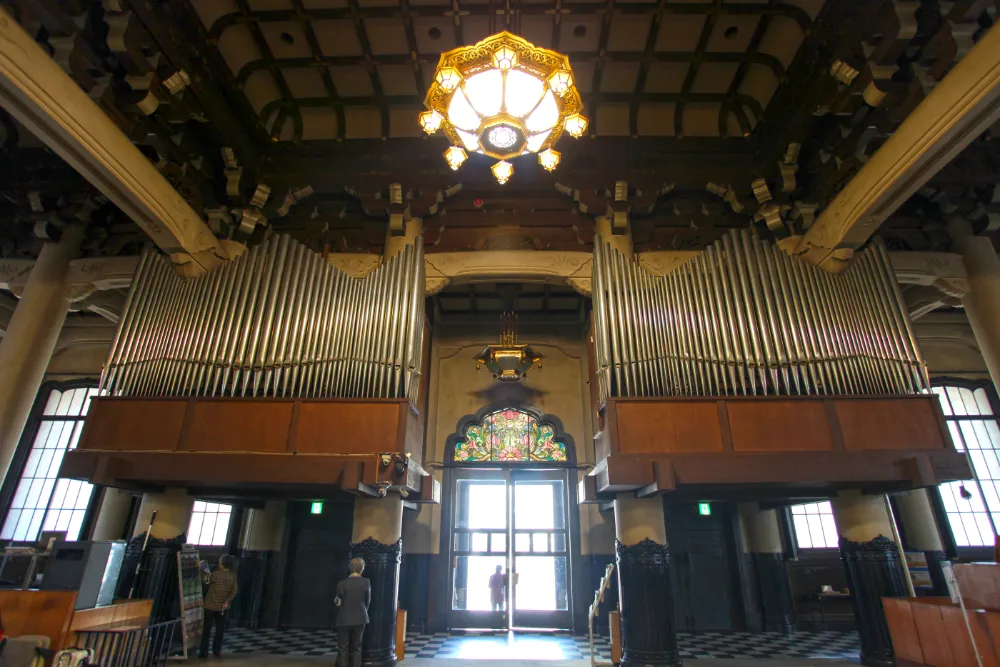
At the entrance, you will find beautiful stained glass windows, while inside the temple there are many intricate carvings of animals and symbolic motifs. These decorative elements reflect the long journey of Buddhism along the Silk Road before it reached Japan, giving the temple a distinctive and international atmosphere.
Despite its unusual exterior, the interior follows the layout of a traditional Japanese temple of the Jodo Shinshu Buddhist sect. The main hall enshrines Amida Nyorai (Amida Buddha) at the center, and the worship area for visitors is unusually spacious, designed so that many people can sit and participate in services.
After sunset, Tsukiji Hongwanji Temple is illuminated until around 9 PM, creating a magical nighttime atmosphere. The warm lights highlight the temple’s massive stone structure and unique Indian-inspired architecture, making it a peaceful and photogenic place to visit in the evening. Although temple services end at 4 PM, the temple grounds remain open at night, allowing visitors to walk around and take photos for free.
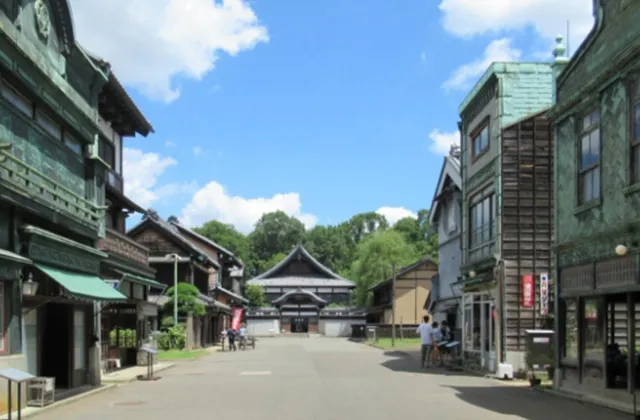
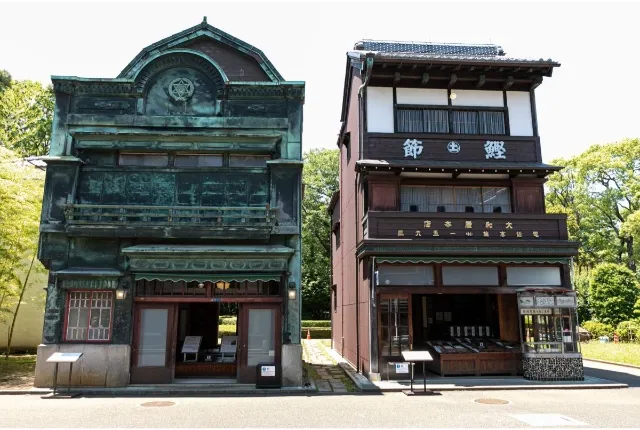
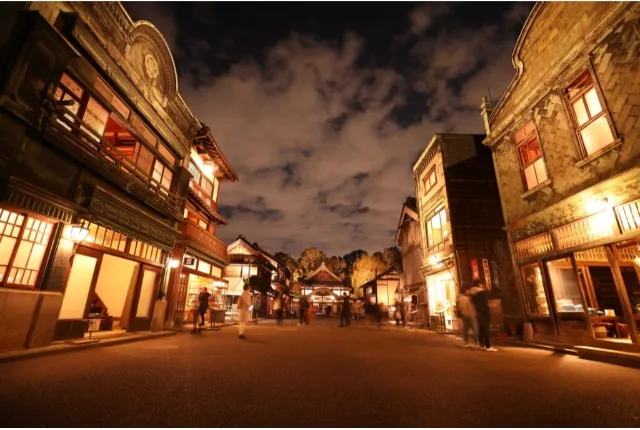
The Edo-Tokyo Open Air Architectural Museum in Koganei offers a unique chance to explore centuries of Japanese architecture in one place. This large outdoor museum preserves and relocates historic buildings from across Tokyo, allowing visitors to walk through streets that recreate everyday life from the Edo period to the Showa era. As you stroll through the spacious grounds, it feels as if you have stepped back in time and are experiencing the atmosphere of old Tokyo.
The museum features a wide variety of traditional buildings, including Edo-era townhouses, small shops, izakaya taverns, stationery stores, and historic public bathhouses. Many of the structures are open to visitors, so you can step inside and see how people once lived. From classic Japanese homes with irori fireplaces to Western-style residences built in the early modern period, the site showcases the fascinating evolution of traditional architecture in Japan.
One of the most famous buildings in the museum is Kodakara-yu, a beautifully preserved traditional bathhouse. It is widely known among Studio Ghibli fans because it is said to have inspired elements of the bathhouse in the film Spirited Away. This connection has made the museum a popular stop for travelers interested in Ghibli locations and Japanese animation culture.
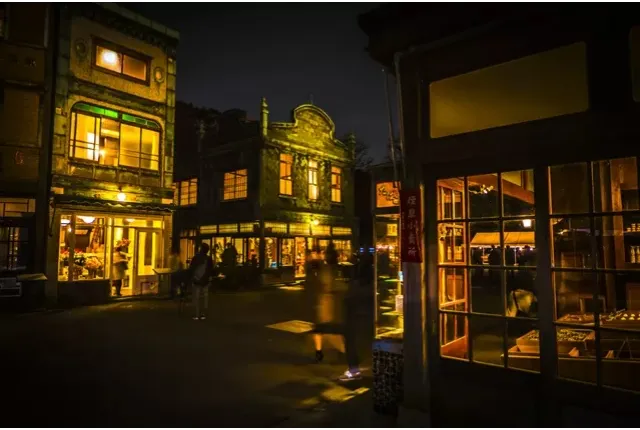
Thanks to its nostalgic atmosphere and well-preserved architecture, the Edo-Tokyo Open Air Architectural Museum is also one of Tokyo’s most photogenic cultural sites. The retro buildings, charming streets, and period details make it an excellent photo spot for travelers looking for unique and authentic images of Japan.
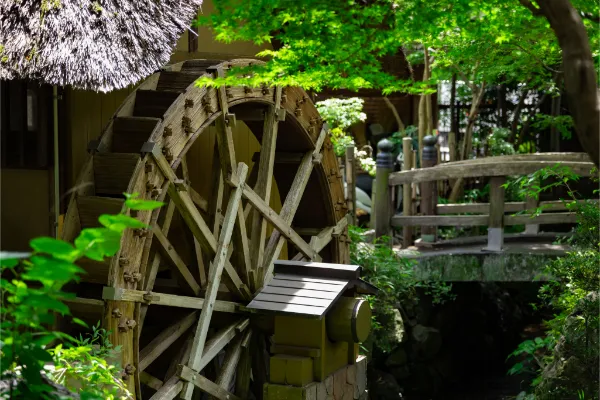
Visitors can also enjoy small cultural experiences around the grounds, such as seeing historic trains or trying traditional well water pumps. There are several cafés and restaurants inside the park as well, making it easy to relax and spend a few hours exploring.
For travelers interested in Edo history, traditional buildings, and photogenic locations in Tokyo—especially fans of Studio Ghibli and Spirited Away—the Edo-Tokyo Open Air Architectural Museum is a fascinating destination that offers a rare glimpse into Japan’s architectural past.
Why visit: Full streets of historic homes, Ghibli vibes, hands-on exhibits
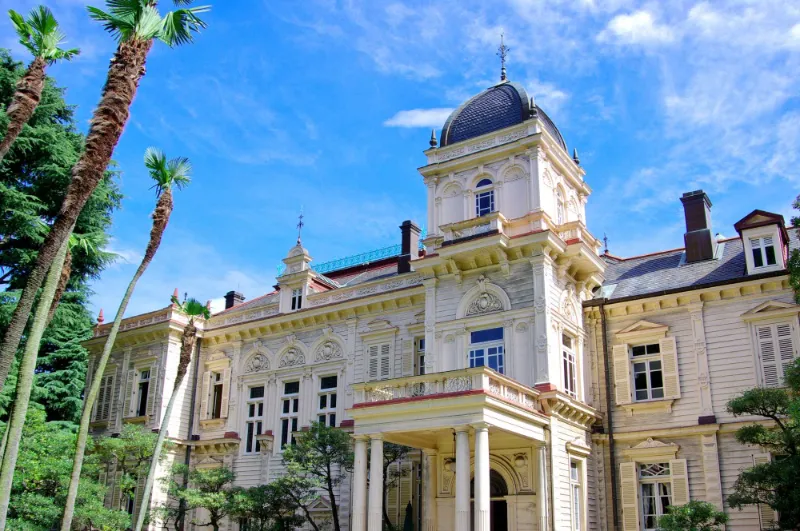
Located in Tokyo’s Taito ward, Kyu-Iwasaki-tei Gardens is a historic estate built in 1896 as the residence of Hisaya Iwasaki, the third president of the Mitsubishi conglomerate. Today, the site is open to the public and offers visitors a rare opportunity to experience the luxurious lifestyle of Japan’s elite during the Meiji era.
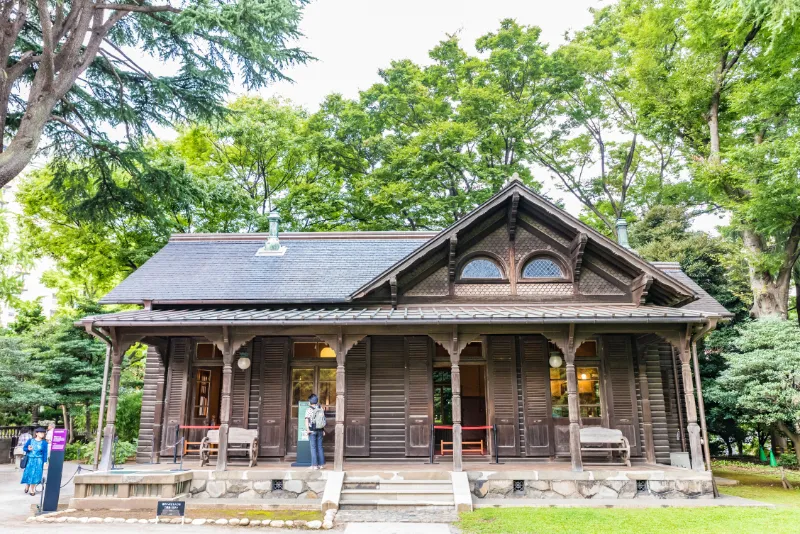
The garden complex preserves three original buildings: a grand Western-style mansion (yōkan), a billiards house, and a traditional Japanese residence (wakan). The Western mansion and billiards building were designed by the British architect Josiah Conder, who also designed the famous Rokumeikan. Influenced by European Jacobean architecture, the elegant wooden mansion features intricate decorative details, arched hallways, and refined craftsmanship that reflect the cutting-edge Western architectural techniques introduced to Japan during the Meiji period.
One highlight is the stained-glass window above the main entrance, designed to softly reflect the greenery of the surrounding garden rather than using bright colors. Inside the mansion, visitors can also see historical features such as an early American steam heating system and beautifully decorated guest rooms with Islamic-influenced design elements. The interiors are equally impressive, with luxurious wall coverings made from Kinkarakawakami, a traditional Japanese decorative craft used throughout the rooms. These elaborate patterns make the building especially photogenic, attracting visitors interested in architecture and photo spots in Tokyo.
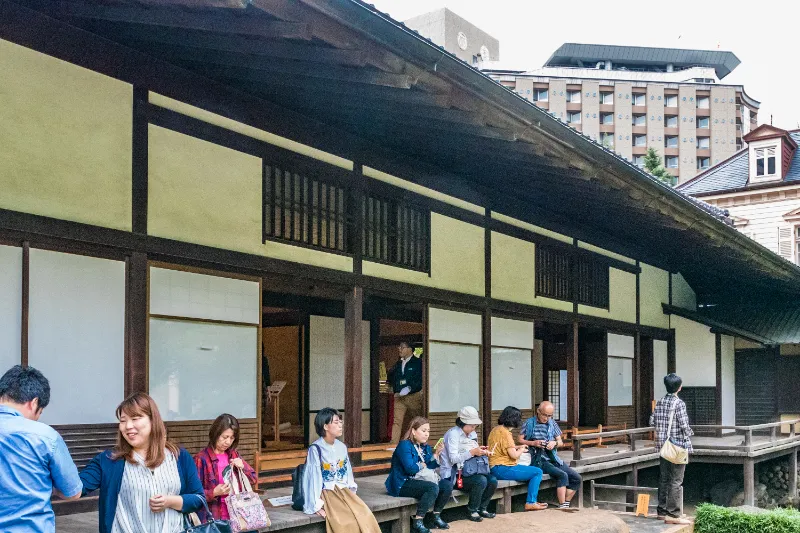
Behind the Western mansion stands the traditional Japanese residence, built in a classic shoin-style design. While the Western building served as a formal space to receive guests, the Japanese house was used as the family’s private living quarters. Its calm atmosphere, sliding doors, and refined wooden architecture showcase the beauty of traditional Japanese design and offer a striking contrast to the ornate Western mansion.
Within the Japanese building, visitors can also take a short break and enjoy matcha green tea and traditional wagashi sweets, making the experience feel even more authentic and relaxing.
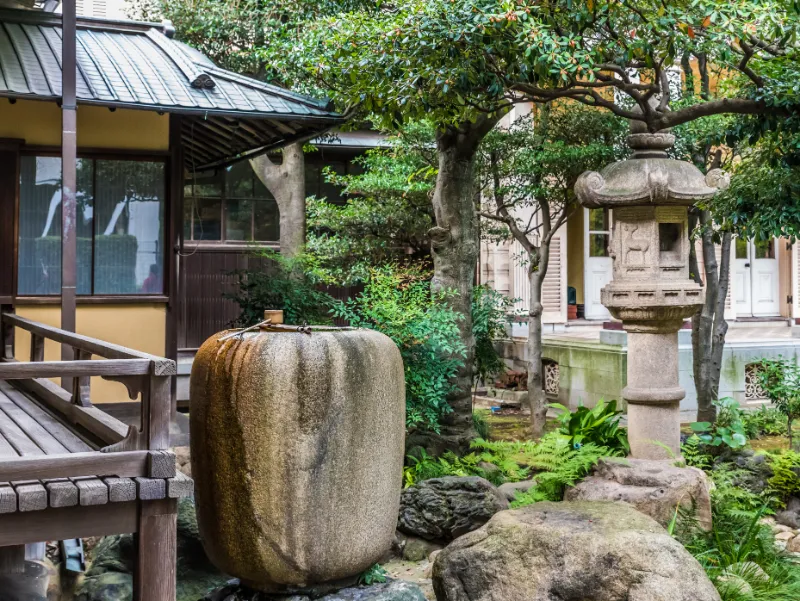
The surrounding garden features seasonal plants such as cherry blossoms, ginkgo trees, and maple trees, creating beautiful scenery throughout the year. The contrast between the elegant Western mansion, traditional Japanese architecture, and peaceful garden landscape makes Kyu-Iwasaki-tei one of Tokyo’s most unique photogenic hidden spots.
For travelers interested in Meiji-era history, traditional buildings, architecture, and photogenic places in Tokyo, Kyu-Iwasaki-tei Gardens offers a fascinating glimpse into Japan’s past and is truly one of the city’s hidden architectural gems.
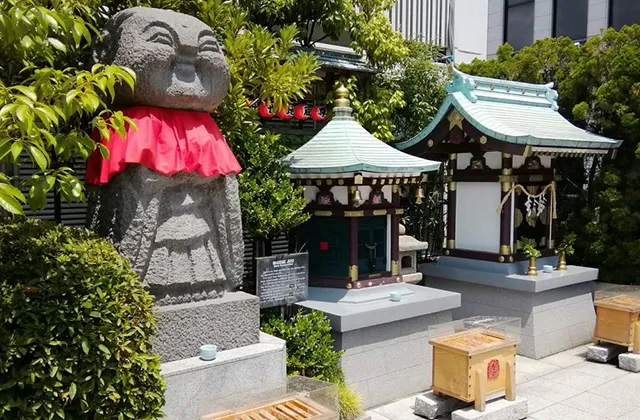
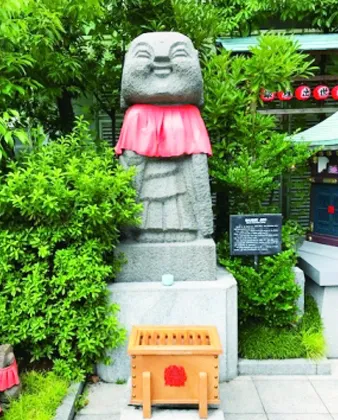
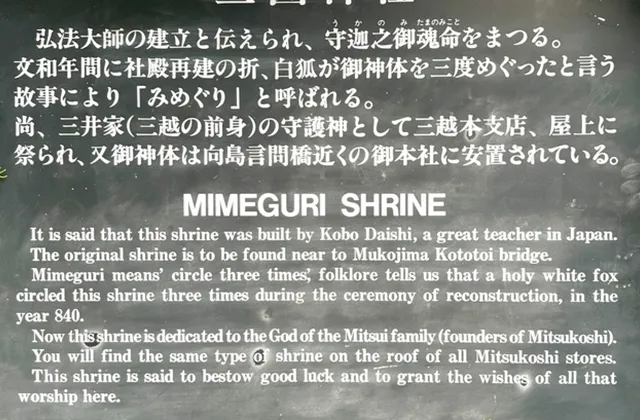
In the middle of the dazzling streets of Ginza, one of Tokyo’s most famous shopping districts, there is a small and quiet Jizo statue that feels like a hidden spiritual escape in the city. This is Ginza Shusse Jizo-son, a tiny shrine tucked among skyscrapers and luxury brand stores. Despite being surrounded by the fast-paced energy of Ginza, the area around the Jizo statue has a calm and peaceful atmosphere, as if time slows down for a moment.
Ginza Shusse Jizo-son has long been known as a power spot in Ginza where people pray for good fortune, career success, and prosperity. The word “Shusse” means success or advancement in life, and this Jizo Buddha statue is believed to bring luck and help visitors achieve their goals. Because of this reputation, many people stop by to pray here—including local workers, business professionals, and travelers exploring Ginza.
Tokyo has many Jizo statues, but what makes this one unique is its location. A traditional Buddhist statue standing quietly in the center of Ginza, one of Japan’s most luxurious commercial districts, creates a fascinating contrast between modern Tokyo and traditional spiritual culture.
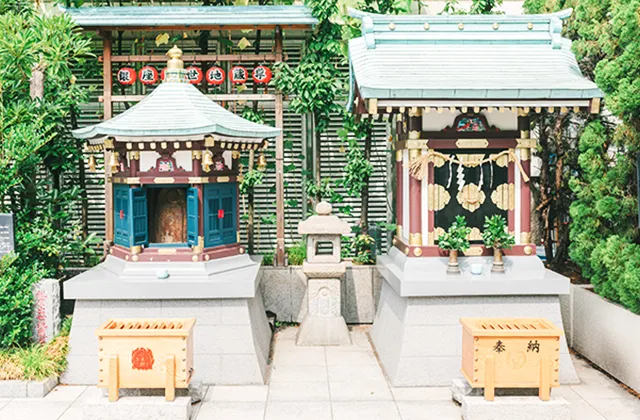
One of the highlights of Ginza Shusse Jizo-son is its small and simple shrine (hokora). Surrounded by modern glass buildings and busy city streets, the modest structure feels almost symbolic. When you stand in front of the shrine, the noise of the city seems to fade slightly, creating a surprisingly peaceful moment in the middle of Tokyo.
This contrast between a massive modern city and a tiny spiritual site also makes the spot popular with travelers who enjoy photography. The image of a traditional Jizo statue and Buddhist shrine in Ginza framed by skyscrapers creates a unique and photogenic scene.
When you actually visit, you may notice how the atmosphere changes just a few steps away from the busy shopping streets.
“I discovered this place while walking around Ginza between shopping stops. Even though it’s very small, it somehow felt calming and special. The contrast between the modern Ginza skyline and the small Jizo statue made it a memorable spot.”
If you’re exploring Ginza, take a moment to pause here. Ginza Shusse Jizo-son is a tiny but meaningful power spot for good luck and success, quietly welcoming visitors in the heart of one of Tokyo’s busiest districts.
Why visit: Serene contrast to Ginza’s bustle, spiritual charm
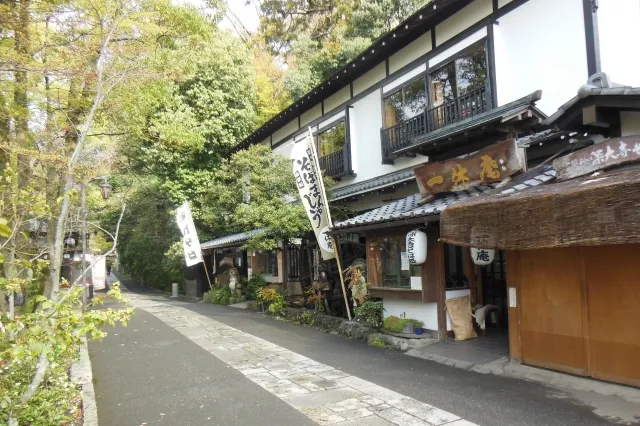
Located in Chofu, western Tokyo, Jindaiji Temple is one of the city’s most historic temples, believed to have been founded in 733 during the Nara period. Despite being only about 30–40 minutes from Shinjuku, the temple is surrounded by lush greenery and natural spring water, creating a peaceful atmosphere that feels far removed from the busy city. Because of this tranquil environment, the area is often called “Tokyo’s hidden retreat.”
What makes Jindaiji unique compared with many other temples in Tokyo is its deep connection with nature. Tall trees, shaded walking paths, and the gentle sound of flowing spring water create a calming environment throughout the temple grounds. Instead of skyscrapers and traffic noise, visitors are surrounded by quiet forest scenery, making it one of the most relaxing power spots in Tokyo.
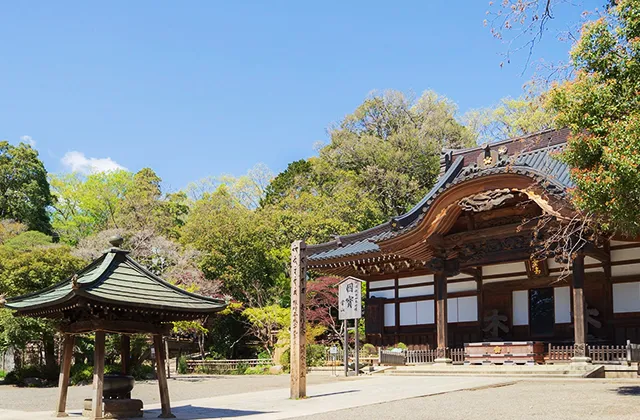
Passing through the traditional wooden gate, visitors enter a historic temple complex filled with wooden halls and a charming old-style approach. Seasonal scenery makes the temple especially beautiful throughout the year. In spring, fresh green leaves create a refreshing landscape, while autumn transforms the temple grounds with vibrant red and orange foliage. The stone pathways, traditional buildings, and filtered sunlight through the trees make the area a popular photogenic spot and photography location for travelers and photographers.
Jindaiji Temple has long been known as a place for good luck and spiritual protection. Many visitors come to pray for good fortune, protection from bad luck, and success in life. One of the most important buildings is the Ganzan Daishi Hall, which enshrines a revered Buddhist figure believed to provide powerful protection from misfortune. Another notable site nearby is the hall dedicated to Jinja Daio, the water deity connected to the temple’s name, who is also associated with blessings for relationships and harmony.
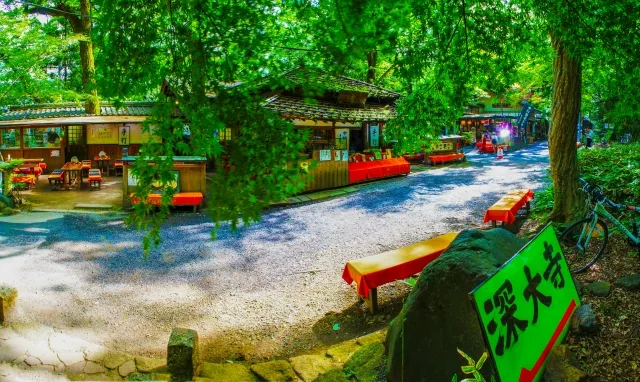
Another highlight of visiting Jindaiji is the famous Jindaiji Soba, a traditional buckwheat noodle dish that has become the symbol of the area. Around the temple’s approach street, about twenty soba restaurants line the path, each serving freshly made handmade soba. Historically, the region’s natural spring water and soil conditions made it ideal for growing buckwheat rather than rice, which led to the development of this unique local food culture. Enjoying a bowl of soba after visiting the temple is considered an essential part of the Jindaiji travel experience.
The temple approach itself is also worth exploring. Along the charming street, visitors will find traditional soba restaurants, old Japanese-style houses converted into cafés, and small craft shops selling handmade goods. Many shops also offer local snacks such as dumplings made with buckwheat flour, matcha sweets, and matcha soft serve ice cream. The blend of traditional culture and modern cafés creates a lively yet nostalgic atmosphere that feels uniquely Japanese.
Just next to the temple is the large Jindai Botanical Gardens, one of Tokyo’s largest botanical parks. With rose gardens, aquatic plant areas, and wide walking paths, the park adds even more natural beauty to the visit and makes the entire area perfect for a relaxing day trip.
Many visitors are surprised by how peaceful the area feels. “It’s hard to believe this place is still in Tokyo. The temple grounds are quiet and surrounded by nature, and walking through the traditional streets while trying Jindaiji soba was a wonderful experience.”
With its 1,300-year history, beautiful natural scenery, spiritual atmosphere, and photogenic landscapes, Jindaiji Temple is one of Tokyo’s most unique temples and a hidden power spot where visitors can relax, explore, and experience traditional Japanese culture.
Why visit: Peaceful forest vibes, traditional architecture, soba culture
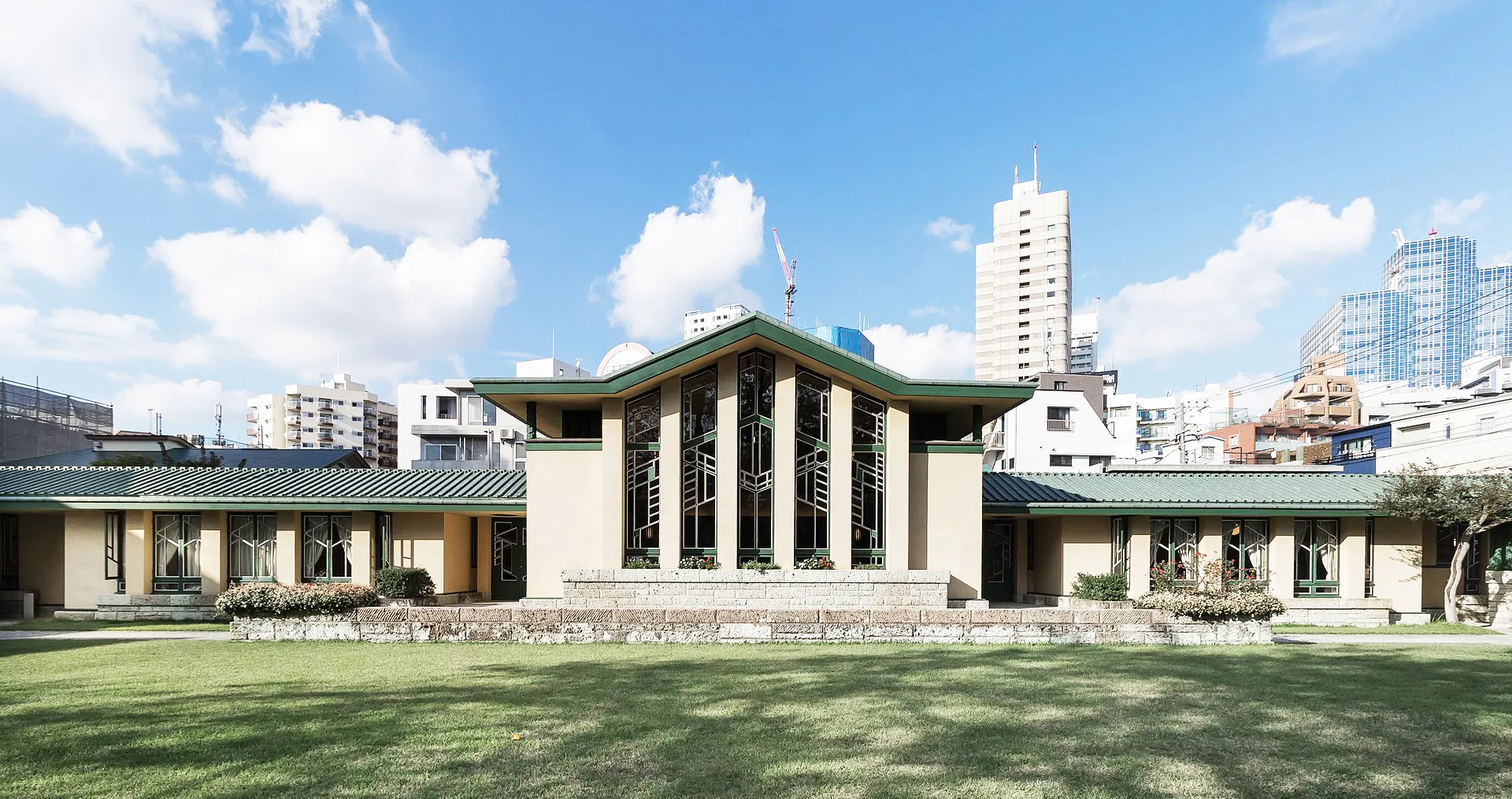
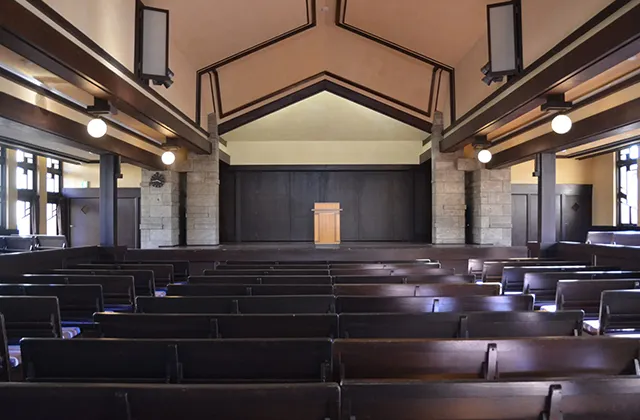
In a quiet residential area near Ikebukuro, there is a building where time seems to slow down. This is Jiyu Gakuen Myonichikan, a historic structure designed in 1921 by the world-renowned architect Frank Lloyd Wright. Today, it is known as one of the few surviving Wright buildings in Tokyo and an important architectural landmark for visitors interested in design, history, and culture.
Although it is located close to the busy Ikebukuro district—an area filled with shopping complexes and high-rise buildings—the atmosphere here feels completely different. The moment you step inside the grounds, the air becomes calm and quiet. Just a few minutes away from the city’s bustle, visitors can experience the beauty of architecture created more than a century ago. Because of this unique contrast, Jiyu Gakuen Myonichikan has become a hidden architectural gem in Tokyo, attracting architecture enthusiasts, photographers, and travelers looking for unique cultural spots.
Originally built in 1921 as a girls’ school campus, the building is now designated as an Important Cultural Property of Japan. It has been carefully preserved, allowing visitors to explore the interior while experiencing the atmosphere of the early 20th century. Surviving Frank Lloyd Wright architecture in Tokyo is extremely rare, especially since the famous main building of the Imperial Hotel—also designed by Wright—was demolished decades ago. As a result, Jiyu Gakuen Myonichikan is one of the very few places in Tokyo where visitors can actually step inside a Wright-designed building.
The architectural design reflects Wright’s famous Prairie House style, which emphasizes strong horizontal lines and low roof structures. The building’s calm and balanced appearance even resembles traditional Japanese temple architecture. In fact, Wright is believed to have been inspired by Japanese architecture, particularly Kyoto’s Byodo-in Phoenix Hall. This fusion of Western architectural philosophy and Japanese aesthetics is one of the most fascinating aspects of Jiyu Gakuen Myonichikan.
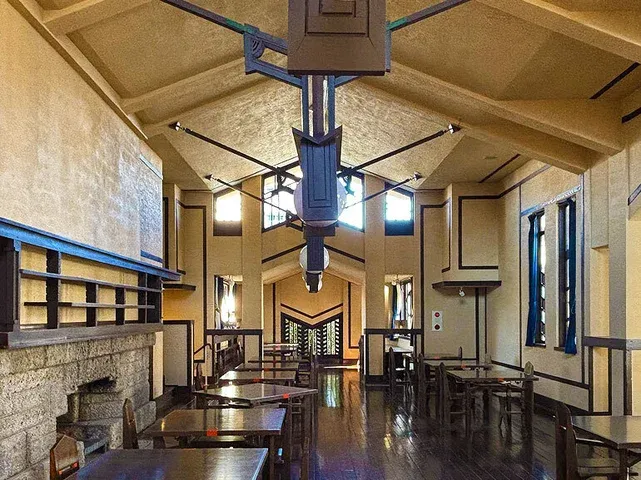
Another distinctive feature of the building is the use of Oya stone, a material also used in Wright’s Imperial Hotel. Inside the building, the warm tones of wood blend beautifully with the solid texture of stone, creating a space that feels both elegant and natural. Rather than relying on decorative luxury, Wright’s architecture here highlights the beauty of materials and the harmony of spatial design—one of the reasons his work remains admired around the world.
One of the highlights of the building is the dining hall on the second floor of the central structure. Suspended from the ceiling are distinctive geometric lighting fixtures designed by Frank Lloyd Wright himself. The warm light gently illuminates the wooden interior, creating a calm and inviting atmosphere. Visitors can even enjoy coffee or tea in this historic space, making it possible to relax and appreciate the architecture at a leisurely pace.
When you visit Jiyu Gakuen Myonichikan, what stands out most is the quiet beauty of the space. “Surrounded by the warmth of the wooden architecture and the elegance of Frank Lloyd Wright’s design, I completely lost track of time. Sitting in the dining hall with a cup of coffee felt incredibly peaceful—it was hard to believe I was still in Ikebukuro.”
From the lighting and corridors to the windows and furniture, every detail is designed to harmonize with the architecture. Walking through the building, it becomes easy to understand why Wright is often called a “master of space.” The entire complex is filled with photogenic scenes, making it one of the most attractive photo spots and photography locations in Tokyo for architecture lovers and travelers alike.
Another appealing point is its convenient location. Jiyu Gakuen Myonichikan is within walking distance from Ikebukuro Station, making it easy to visit between sightseeing stops. Despite being in the center of Tokyo, this unique place offers a rare opportunity to quietly experience the timeless beauty of Frank Lloyd Wright’s architecture while discovering one of the city’s most photogenic hidden spots.
Why visit: Rare Wright building in Japan, timeless design