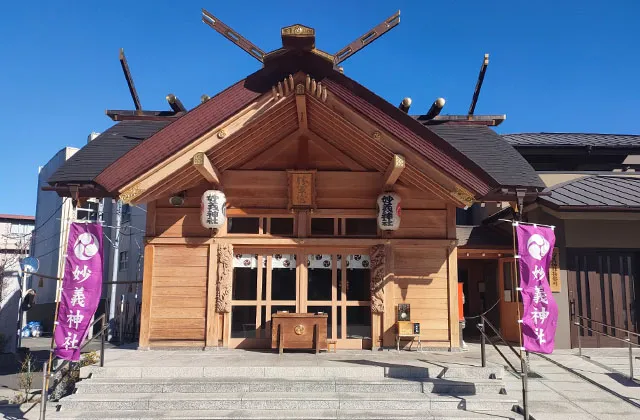
Nestled in the tranquil residential enclave of Komagome, Myogi Shrine stands as the oldest Shinto sanctuary in Tokyo’s Toshima Ward, boasting a history of approximately 1,300 years. This is a site of profound spiritual energy where legendary heroes once prayed for triumph, and where the life force of the people has been nurtured across centuries. Following a recent grand reconstruction, the shrine’s exquisite wooden architecture exudes a refined beauty and a serene atmosphere, offering a perfect moment of mindfulness for the discerning global traveler.
📜 The Origins and History of Myogi Shrine: A Tale of Prince Yamato Takeru and Shogun Ota Dokan
The history of Myogi Shrine begins with the legend of Prince Yamato Takeru (Yamato Takeru no Mikoto), the quintessential hero of ancient Japanese history. Tradition holds that during his eastern expedition to pacify the Emishi tribes, the Prince established his military camp on the very grounds where this shrine now stands. On May 12, 651 (the second year of the Hakuchi era), the shrine was named “Hakuchosha” (White Bird Shrine), following the legend that the Prince was reincarnated as a white bird and took flight. Since then, it has been revered as the oldest shrine in the Toshima area.
Ota Dokan, the 15th-century military commander and architect of the original Edo Castle, was also a devoted patron of this sanctuary. According to the historical topography “Shimpen Musashi Fudoki Ko,” Dokan visited the shrine in May 1471 before heading into battle against Ashikaga Nariuji. He offered a sacred horse and a precious sword to the deity, praying for victory. It is said that he and his close retainer, Higuchi Yosaburo Kanenobu, composed a collaborative “Renga” (linked verse) on that occasion:
“Scattering the clouds, the sound of the wind through these sacred gates” (Dokan) “Even the grass and trees are swept along in its wake” (Kanenobu)
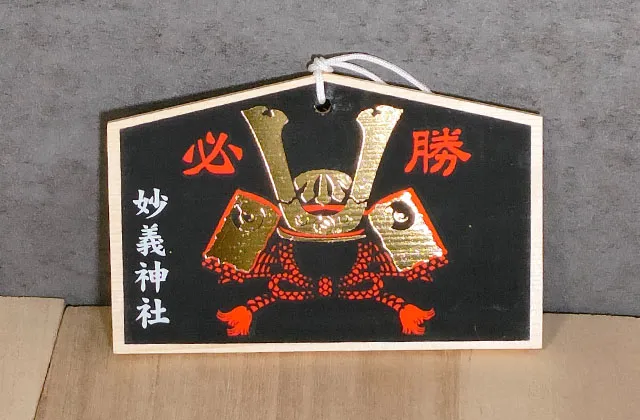
After winning the battle and returning in triumph, Dokan donated 15 kanmon (the currency of the time) as a land grant to the shrine. He continued to pray at Myogi Shrine during crucial military campaigns, such as the suppression of Toshima Kageyu Saemon in 1477 and the attack on Chiba Takatane in 1479—achieving victory every time. It is believed that Dokan stood on “Inari-yama,” a small hill within the shrine grounds, to strategize while overlooking the enemy’s castle. Consequently, the shrine became renowned as the “God of Victory” and the “Palace of Military Triumph,” attracting deep faith from those facing pivotal challenges in life.
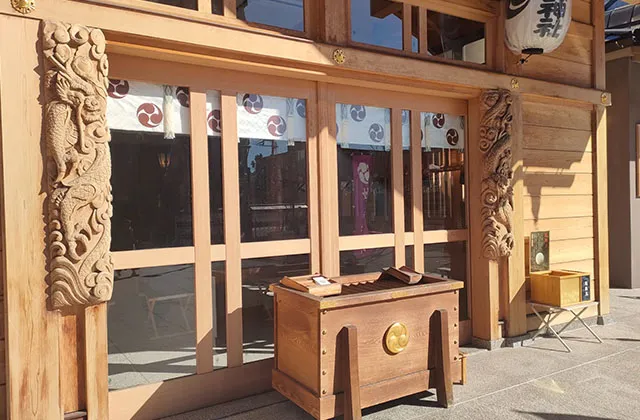
Despite surviving trials like the Great Kanto Earthquake of 1923 and the air raids of 1945, which destroyed many national treasures and the main hall, the shrine was repeatedly rebuilt through the unwavering devotion of its parishioners. In August 2020, a magnificent new reconstruction project was completed, restoring the shrine to its historical glory. The wooden “Shinmei-zukuri” architecture, the “Shogungyu” (Palace of the Victorious Army) plaque, and the intricate “Ascending and Descending Dragon” carvings—restored to match the legendary style of the master sculptor Unkei—possess a dignified elegance that stirs the soul.
🏯 Enshrined Deities and Spiritual Significance: Vitality, Creation, and Protection
The deities enshrined at Myogi Shrine govern more than just luck in competition; they represent the “root power” required to live a strong, beautiful, and resilient life.
◎ Primary Deity: Yamato Takeru no Mikoto The prince of the 12th Emperor Keiko. A hero who overcame countless hardships through a blend of brilliant strategy and courage. His name was gifted to him by a defeated foe, symbolizing a strength that commands respect and harmony.
◎ Associated Deities (Aidono-shin)
Takamimusubi no Kami: One of the three primordial creator deities who appeared at the dawn of the universe. “Musuhi” signifies production, generation, and “Creation”—granting the power to bring forth new value in life.
Empress Jingu: A powerful female figure who pacified ancient kingdoms under challenging circumstances and gave birth to the future Emperor Ojin. She symbolizes a fusion of indomitable will and maternal strength.
Emperor Ojin: The son of Empress Jingu, a deity of both literary and military arts who led the nation toward stability and prosperity.
◎ Subordinate Shrine: Ota Dokan Reisha This shrine honors Shogun Ota Dokan, a master strategist, architect, and poet of the Muromachi period. Dokan-ko, who excelled in both the art of war and the refinement of Waka poetry, revered the great deities of Myogi Shrine as his lifelong guardians.
🧧 Sacred Offerings: The “Katsumamori” Amulet of Vitality and Fortune
The “Katsumamori” (Victory Amulet) of Myogi Shrine holds a meaning far deeper than simple winning or losing.
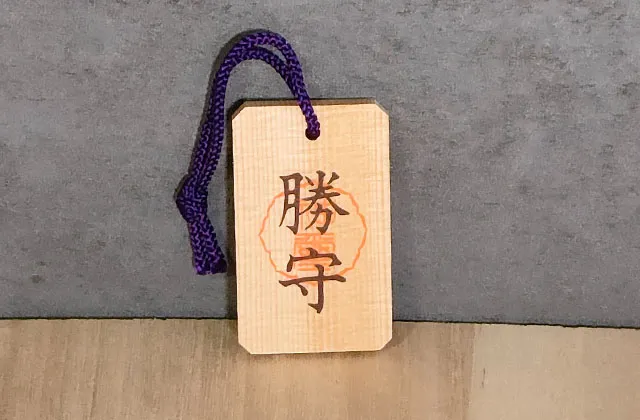
◎ Katsumamori (Amulet of Victory) Since ancient times, this amulet has been passed down as a symbol of the divine power and virtue of the Myogi deities. The character “Katsu” (Victory) represents triumphing over adversity, excelling in academia or the arts, and possessing health that “surpasses” all else—it is the manifestation of life force itself. This amulet is ideal for those seeking inner radiance and the vigor to navigate modern life with strength. Every Katsumamori is consecrated through solemn rituals for the fulfillment of wishes, success, prosperity, and longevity before being presented to visitors.
Blessing Hours 9:00 AM – 4:00 PM
📍 Visitor Information and Access
Myogi Shrine is a true urban oasis, where the convenience of central Tokyo meets a profound, historical silence.
Address:3-16-16 Komagome, Toshima-ku, Tokyo 170-0003 WEB site:https://myogi.tokyo/ Worship Hours:The shrine grounds are open for prayer 24 hours a day, every day. Office Hours:(Amulets, Goshuin stamps, etc.) 9:00 AM – 4:00 PM *The shrine office is closed every Wednesday. Prayer/Ritual Reception 9:00 AM – 4:00 PM (Excluding festival days and Wednesday office closures) Access:【By Train】 A 5-minute walk from JR Yamanote Line “Komagome Station” (North Exit). A 5-minute walk from Tokyo Metro Namboku Line “Komagome Station” (Exit 4 or Exit 5).
*The information and photos provided may not always reflect the most current status. Please be sure to check for the latest updates before your visit.