Arashiyama Scenic Train, Nara Park Deer, and Fushimi Inari Shrine
Kyoto and Nara are two of Japan’s most historic cities, both known for iconic landmarks and traditional culture. Because there is so much to see, many travelers struggle to decide what to visit and how to plan their route, especially with limited time in Japan.
This guided one-day tour from Osaka is designed for travelers who want to visit Kyoto and Nara’s top attractions efficiently in a single day. Popular spots that can be difficult to navigate independently are arranged in a smooth itinerary, allowing you to focus on sightseeing without worrying about transportation or timing.
In this article, we introduce the highlights of this Kyoto–Nara day tour, following the actual travel flow of the experience: Nara Park, Fushimi Inari Shrine, and Arashiyama.
This article contains affiliate links. However, we only introduce tours that we believe offer genuine value and a positive experience for travelers.
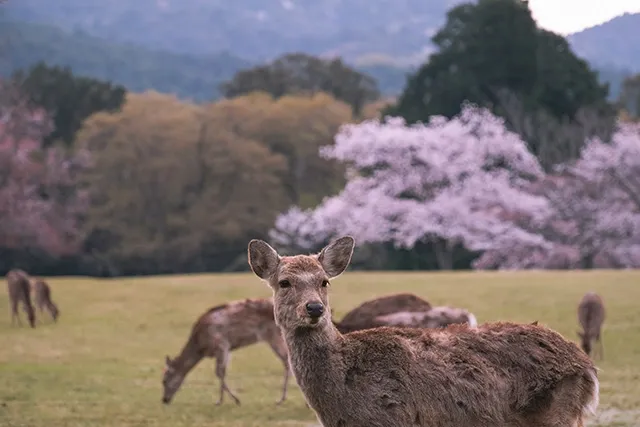
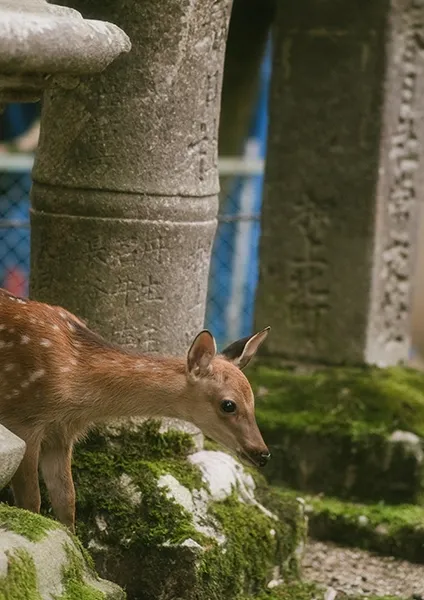
The tour begins at Nara Park, one of the city’s most recognizable landmarks. The park is home to hundreds of freely roaming deer, which are considered a symbol of Nara.
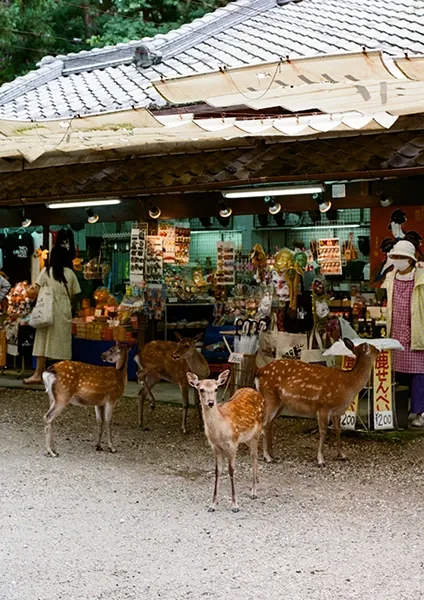
Visitors can feed the deer with special deer crackers, take photos, or simply enjoy walking through the park alongside them. Seeing deer casually interacting with people is a uniquely Nara experience and often feels special, especially for first-time visitors.
Because the tour includes scheduled time in the park, you can enjoy the experience at a relaxed pace. While the deer are generally friendly, it is important to follow local etiquette—avoid chasing or startling them—to ensure a comfortable experience for both visitors and animals.
Fushimi Inari Taisha: Walk Through the Thousand Torii Gates
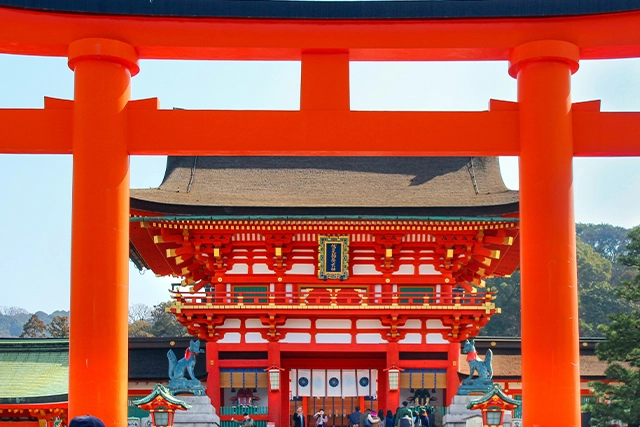
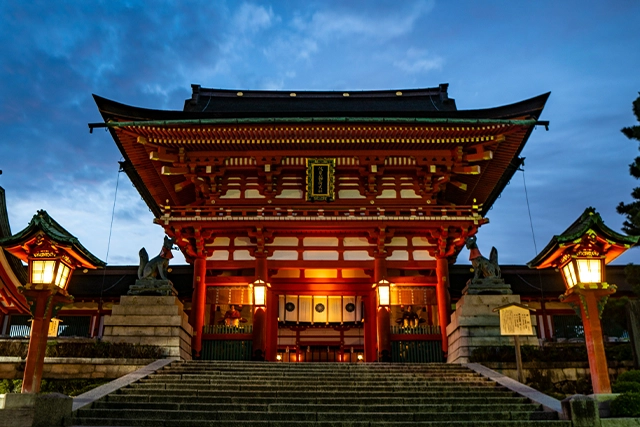
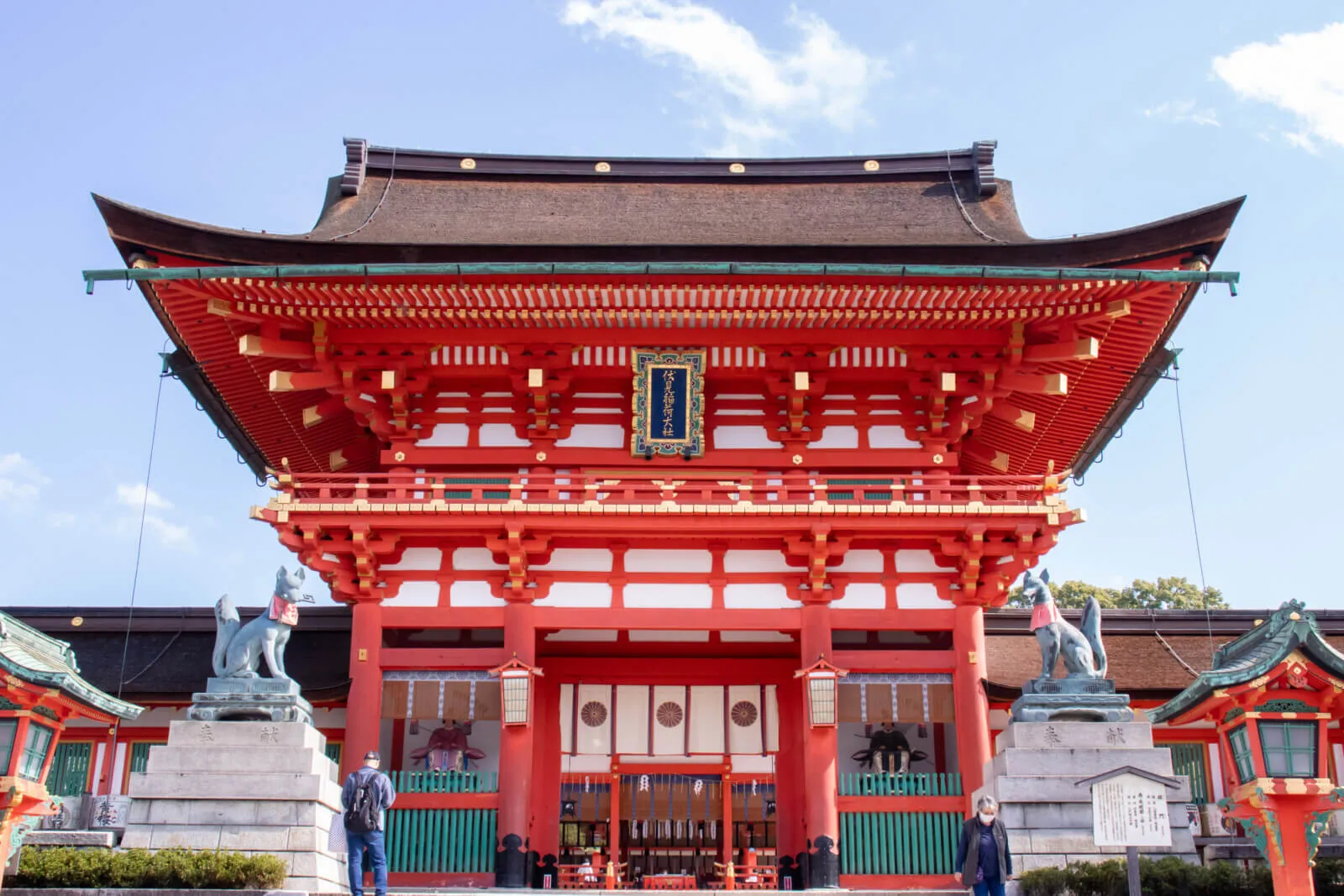
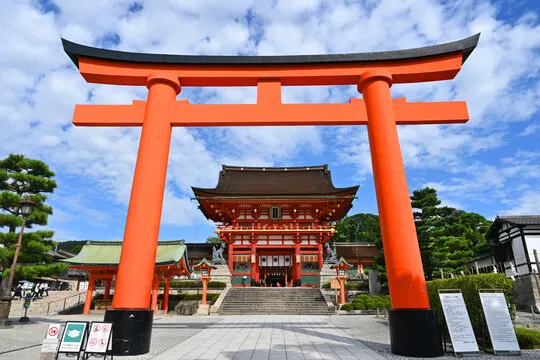
Next, the tour visits Fushimi Inari Taisha Shrine, one of Japan’s most internationally recognized Shinto shrines.
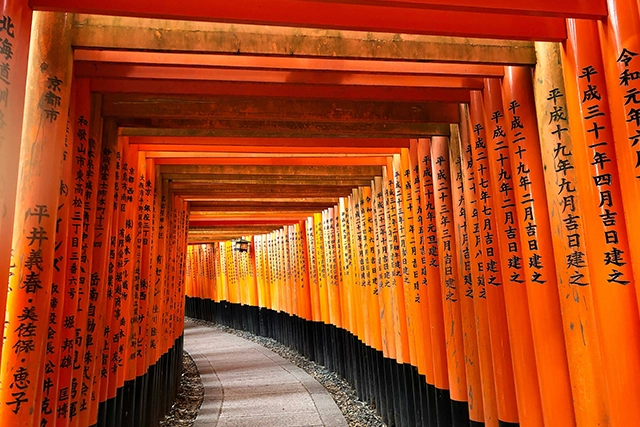
The shrine is famous for its thousands of vermilion torii gates, known as Senbon Torii, which form a tunnel-like pathway up the mountain. Walking through the gates offers a sense of atmosphere that photos alone cannot capture, with changing light and scenery as you move deeper into the shrine grounds.
Fushimi Inari is dedicated to Inari, the Shinto deity of prosperity, business success, and agriculture. Many visitors stop here to pray for safe travels or future success. When visiting, it is customary to walk slightly to the side of the path and be mindful of other worshippers, especially when taking photos.
Arashiyama: Nature and Traditional Kyoto Scenery
Sagano Romantic Train: Scenic Ride Through the Hozu Gorge
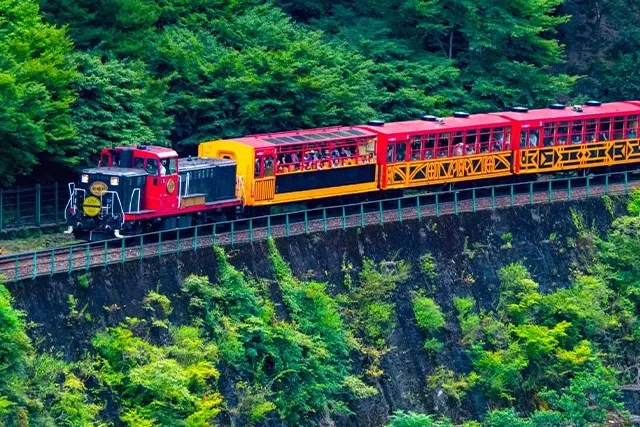
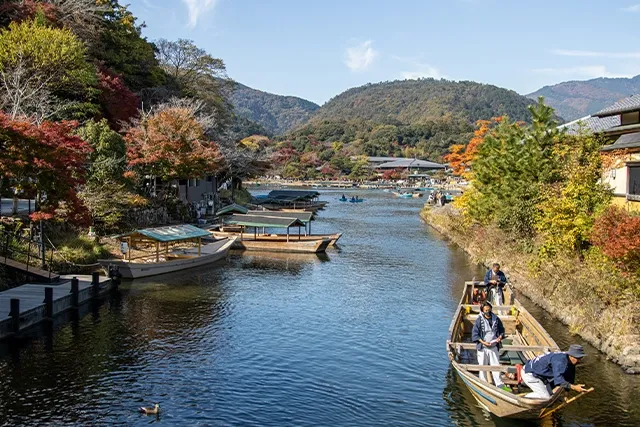
In Arashiyama, the tour begins with a ride on the Sagano Romantic Train, a sightseeing train that runs along the Hozu River gorge.
The train offers seasonal views throughout the year—cherry blossoms in spring, lush greenery in summer, and autumn foliage in fall. The ride takes approximately 25 minutes, making it an easy and comfortable way to enjoy the scenery without extensive walking.
Because the train itself is part of the sightseeing experience, it is suitable for travelers of all ages and fitness levels.
Arashiyama Bamboo Grove and Togetsukyo Bridge
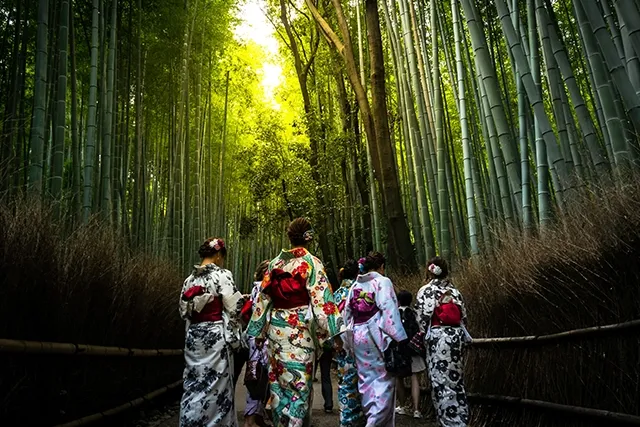
After the train ride, the tour continues to the Arashiyama Bamboo Grove, one of Kyoto’s most photographed locations. Walking through the tall bamboo stalks while listening to the sound of the wind creates a calm and distinctive atmosphere.
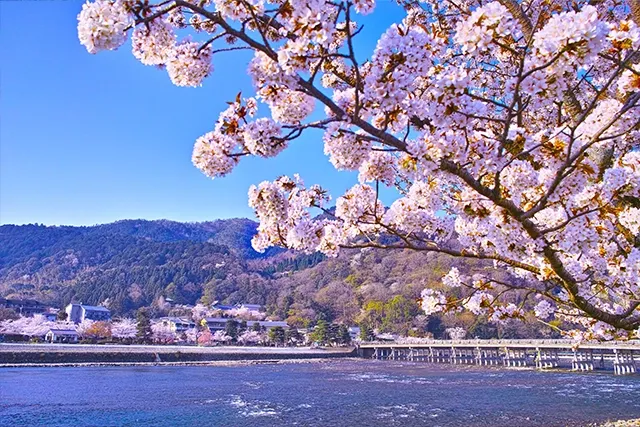
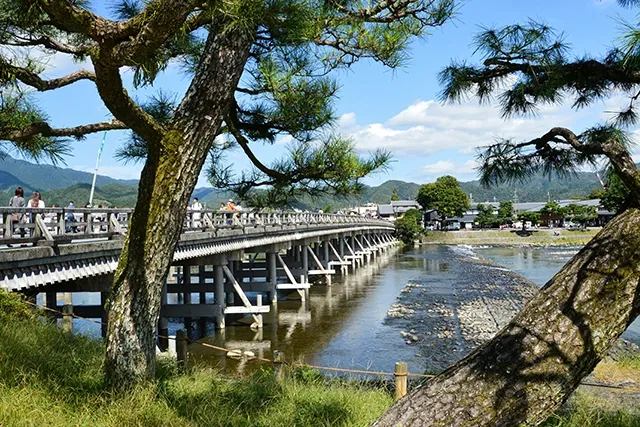
The next stop is Togetsukyo Bridge, a landmark that symbolizes Arashiyama. The bridge spans the Katsura River, with surrounding mountains providing a scenic backdrop in every season. Nearby shops and traditional rickshaws add to the classic Kyoto feel of the area.
Kimono Forest: Traditional Culture as Modern Art
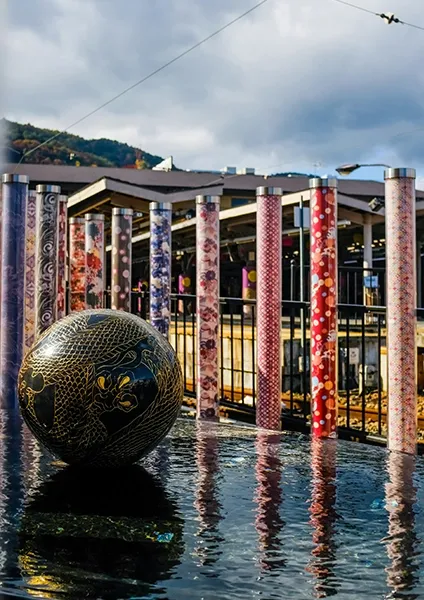
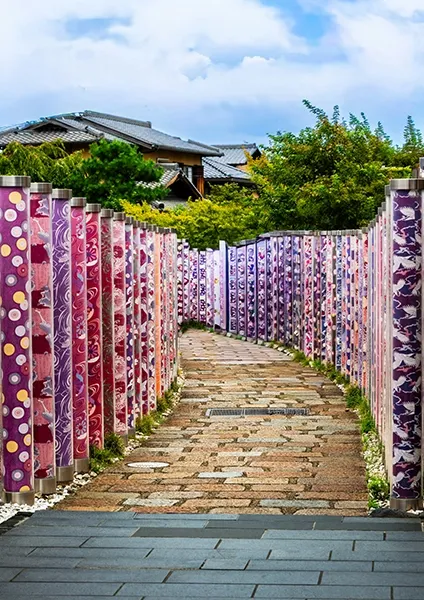
The final stop in Arashiyama is Kimono Forest, an outdoor art installation featuring cylindrical pillars wrapped in traditional kimono patterns.
This space presents Japanese textile culture in a modern, visual format. During the daytime, visitors can enjoy the colors and designs, while in the evening the pillars are often illuminated, creating a different and atmospheric mood.
Kimono Forest is popular as a photo spot and is ideal for travelers who want to capture memorable images from their trip.
Who This Tour Is Best For
This article is written primarily for international travelers visiting Kyoto and Nara for the first time, especially those who may be concerned about language or transportation.
Travelers who want to visit Kyoto and Nara efficiently in one day
First-time visitors to the Kansai region
Those who want to see Japan’s most photogenic and iconic sights
Travelers who prefer the reassurance of a guided tour with multilingual support
With transportation and scheduling handled by the tour, participants can focus entirely on enjoying the experience.
Summary: An Ideal One-Day Kyoto & Nara Tour for First-Time Visitors
From the deer of Nara Park to the torii gates of Fushimi Inari Shrine and the natural scenery of Arashiyama, this tour covers the essential highlights of Kyoto and Nara in one well-balanced day.
For travelers with limited time in Kansai or those who want a smooth and reliable introduction to these historic cities, this tour offers both convenience and peace of mind.
You can check tour details and availability on the booking page below.
During peak seasons such as cherry blossom and autumn foliage periods, early booking is recommended.
Kyoto is one of Japan’s most popular destinations, and popular areas can become crowded, especially during peak seasons. For travelers who want to explore independently, this guide on how to avoid crowds in Kyoto using alternative transit routes offers practical tips for more comfortable sightseeing.