Tokyo is one of the most exciting travel destinations in the world. The city offers a unique mix of traditional Japanese culture, modern city life, amazing food, shopping, and pop culture.
Each area of Tokyo has its own atmosphere. Some neighborhoods are known for historic temples and traditional streets, while others are famous for anime culture, trendy shopping districts, or local neighborhoods where you can experience everyday life in Japan.
In this Tokyo Travel Guide, we introduce some of the most popular areas in Tokyo for international travelers. You will find information about what each neighborhood is known for, how to get there, and the best things to do. Use this guide to help plan your Tokyo itinerary and discover the areas that match your interests.
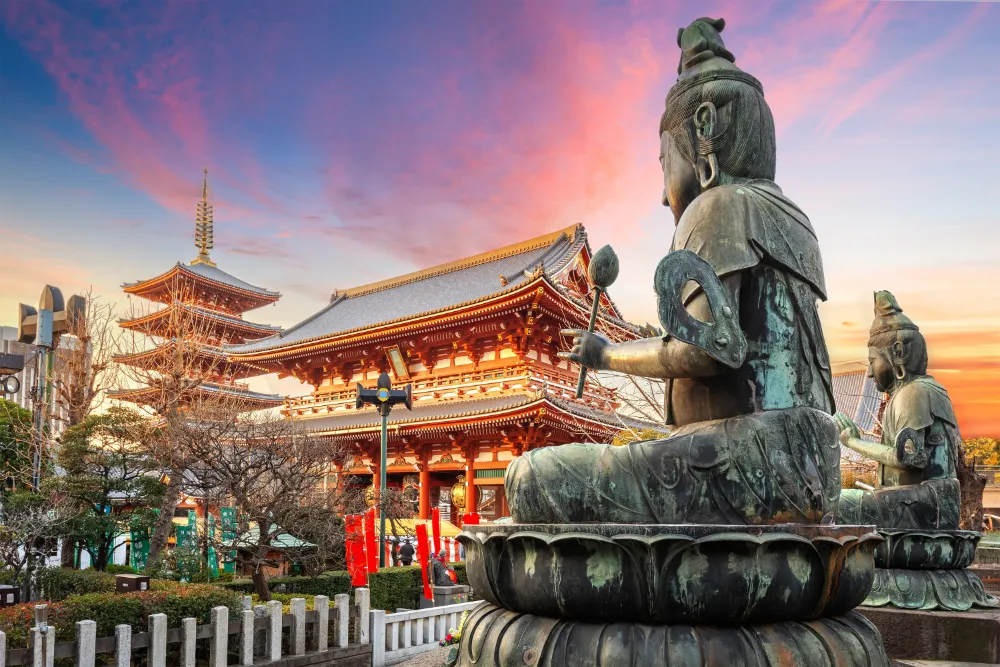
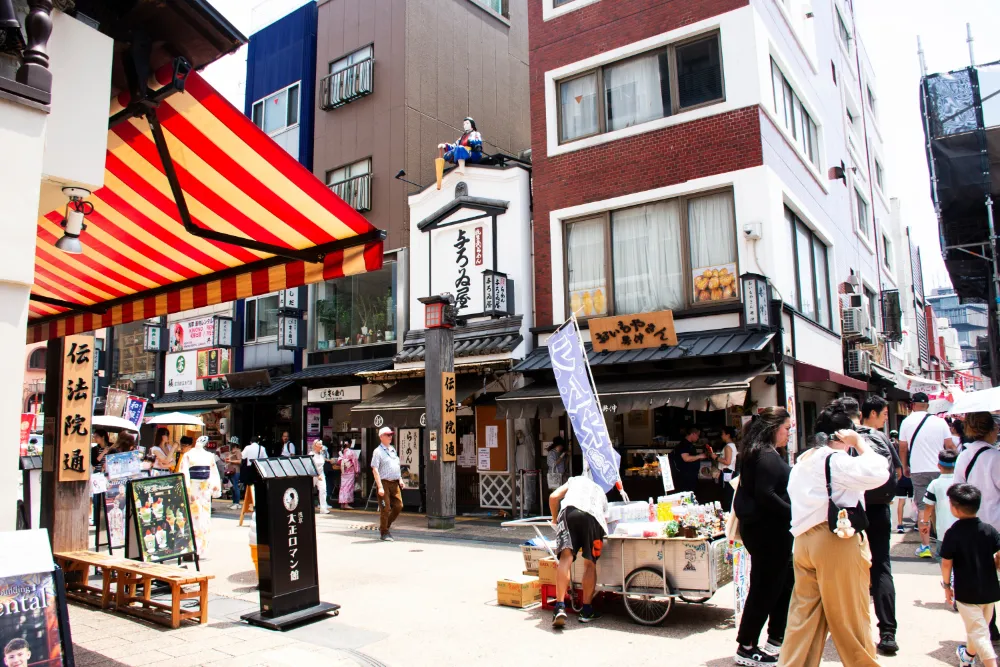
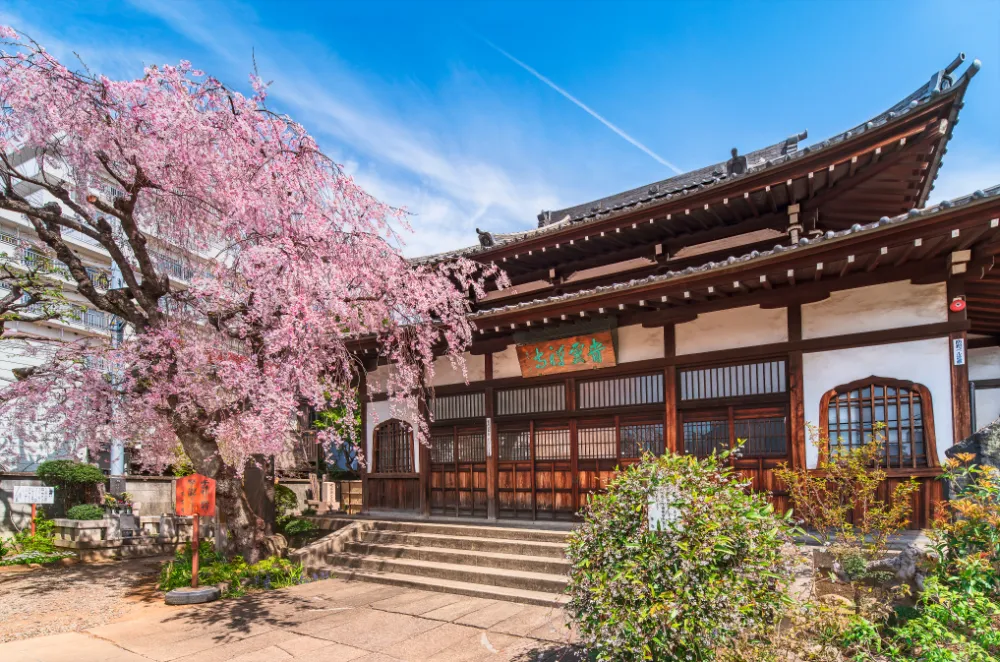
Asakusa is one of the best places in Tokyo to experience traditional Japanese culture. This historic district dates back to the Edo period and is known for its temples, traditional shopping streets, and old-style restaurants.
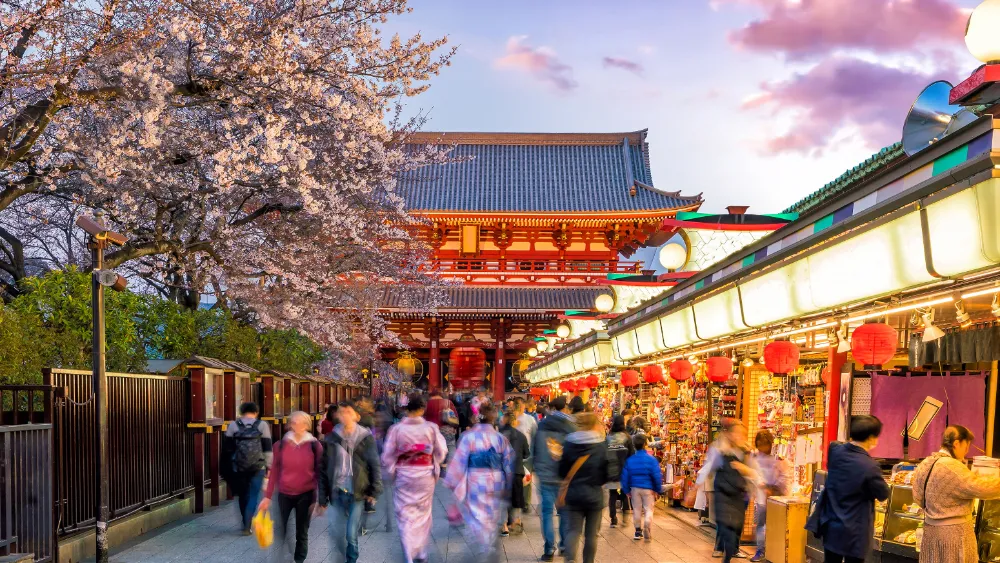
The most famous attraction in the area is Senso-ji Temple, the oldest temple in Tokyo and one of the most visited tourist spots in the city. Many travelers come here throughout the year to experience its historic atmosphere.
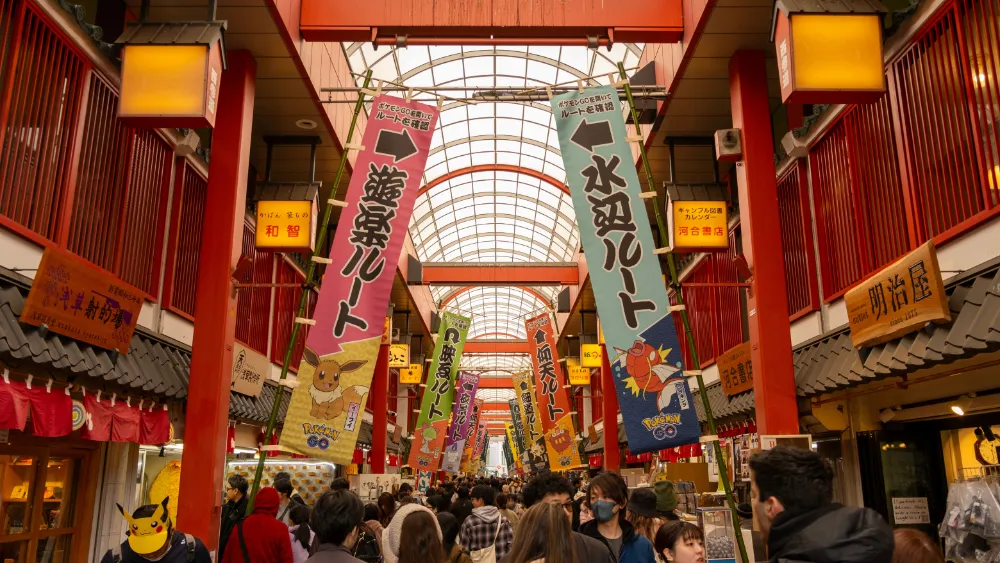
The street leading to the temple, Nakamise Shopping Street, is filled with small shops selling Japanese souvenirs, snacks, and street food. Walking through this lively street is a great way to experience the traditional side of Tokyo.
For first-time visitors to Tokyo, Asakusa is one of the must-visit areas.
Access
Asakusa is easy to reach by train from many major areas in Tokyo.
If you take the Tokyo Metro Ginza Line, it takes about 5 minutes from Ueno and around 20 minutes from Ginza.
You can also reach Asakusa directly from Haneda Airport or Narita Airport using the Toei Asakusa Line, depending on the route.
Things to Do
In Asakusa, you can easily experience traditional Japanese culture and local food.
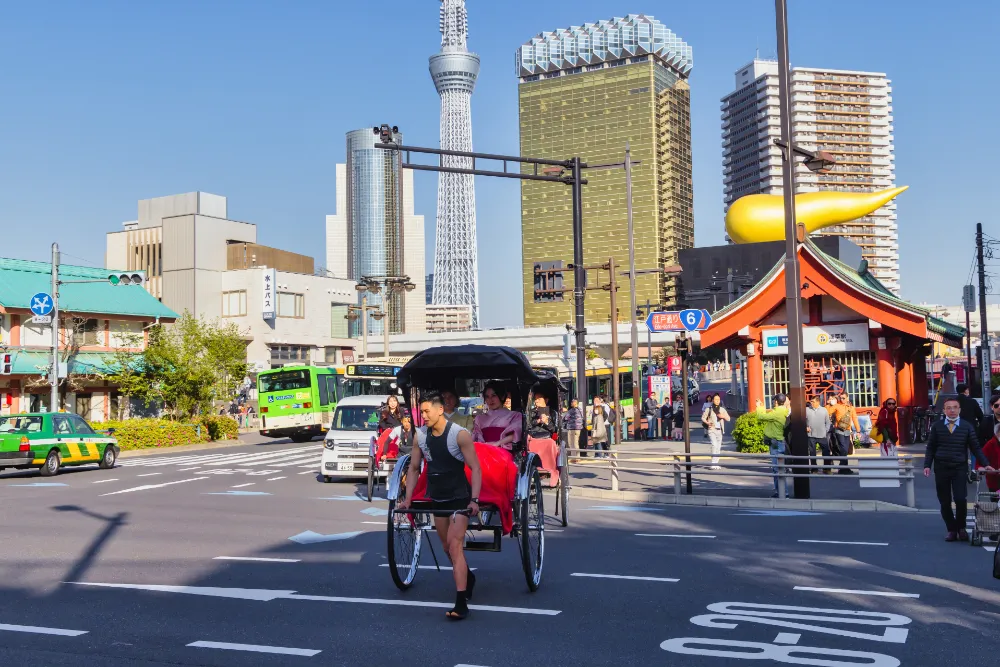
Visiting Senso-ji Temple and exploring Nakamise Street are two of the most popular activities. Many travelers also enjoy renting a kimono and walking around the area, or taking a ride in a traditional rickshaw.
You can also walk along the Sumida River and enjoy a great view of the Tokyo Skytree, one of Tokyo’s most famous landmarks.
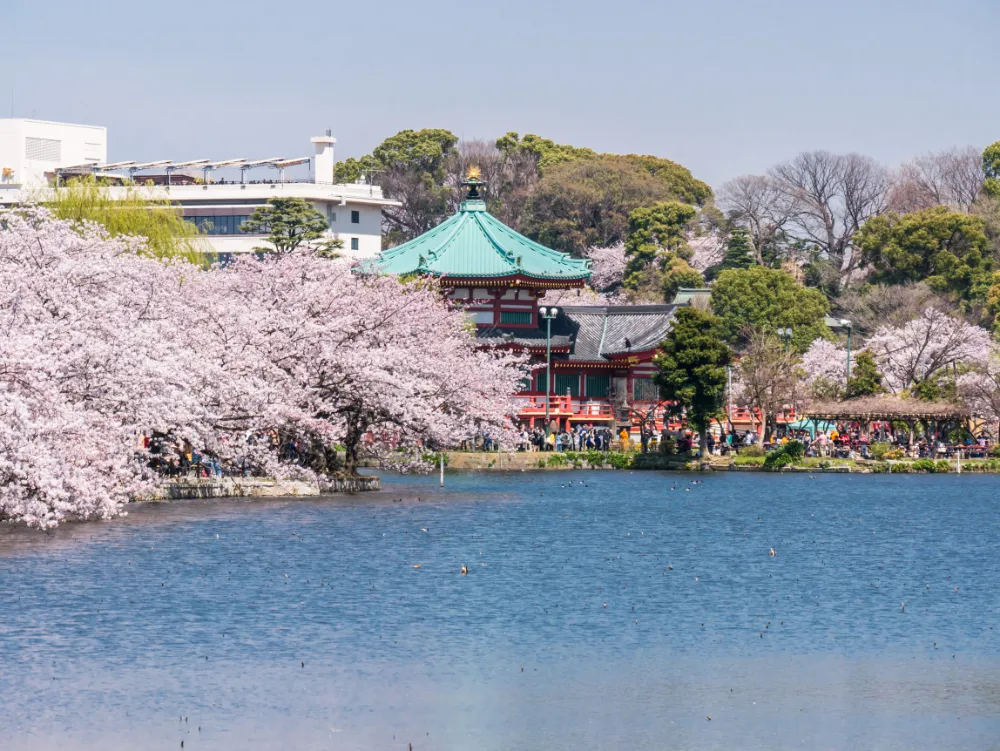
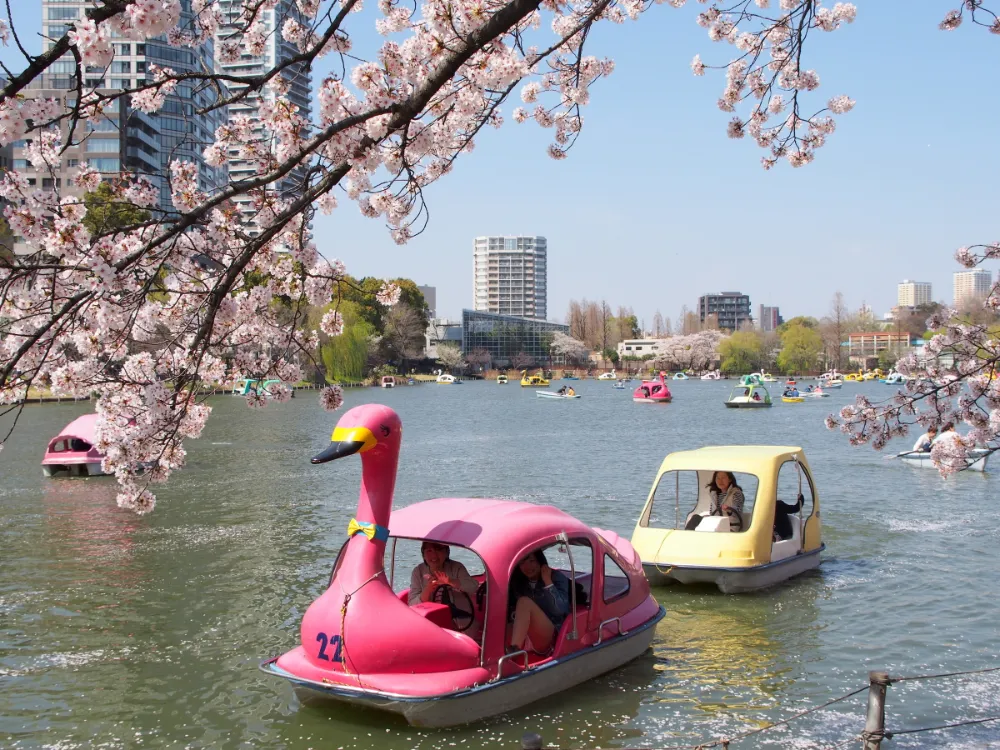
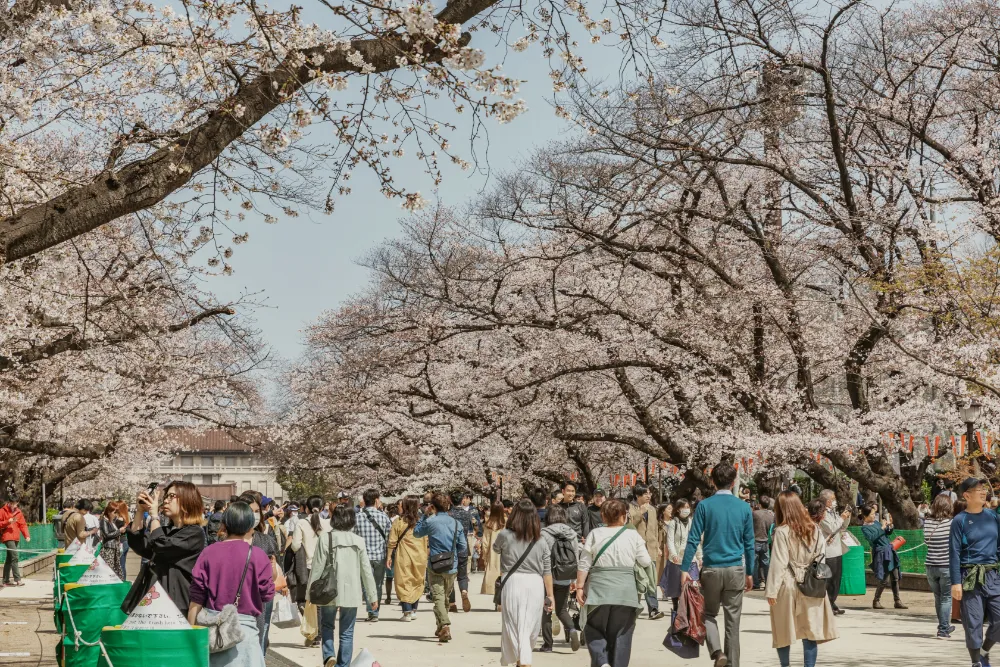
Ueno is a popular sightseeing area in Tokyo known for its museums, parks, and cultural attractions.
The center of the district is Ueno Park, a large public park that is home to several museums, art galleries, and the famous Ueno Zoo. Because of these cultural facilities, Ueno is one of the best places in Tokyo for travelers interested in Japanese history, art, and nature.
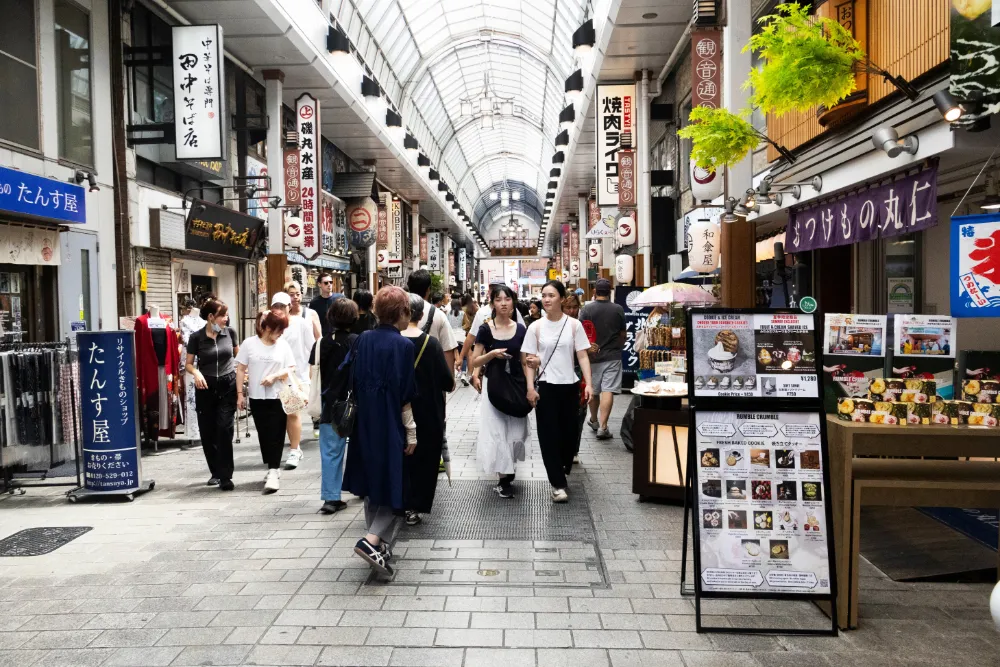
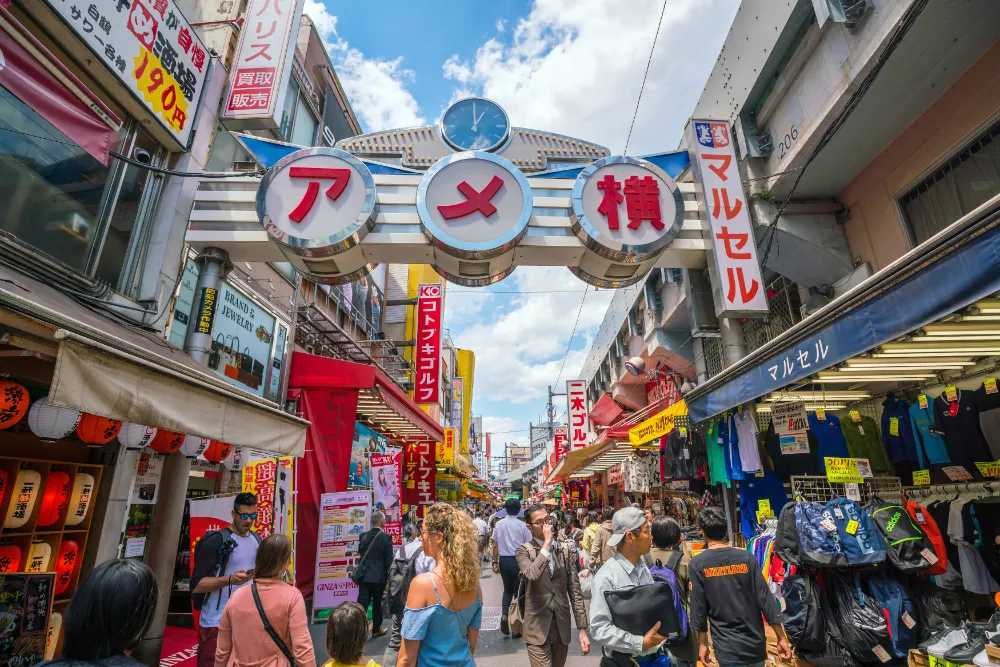
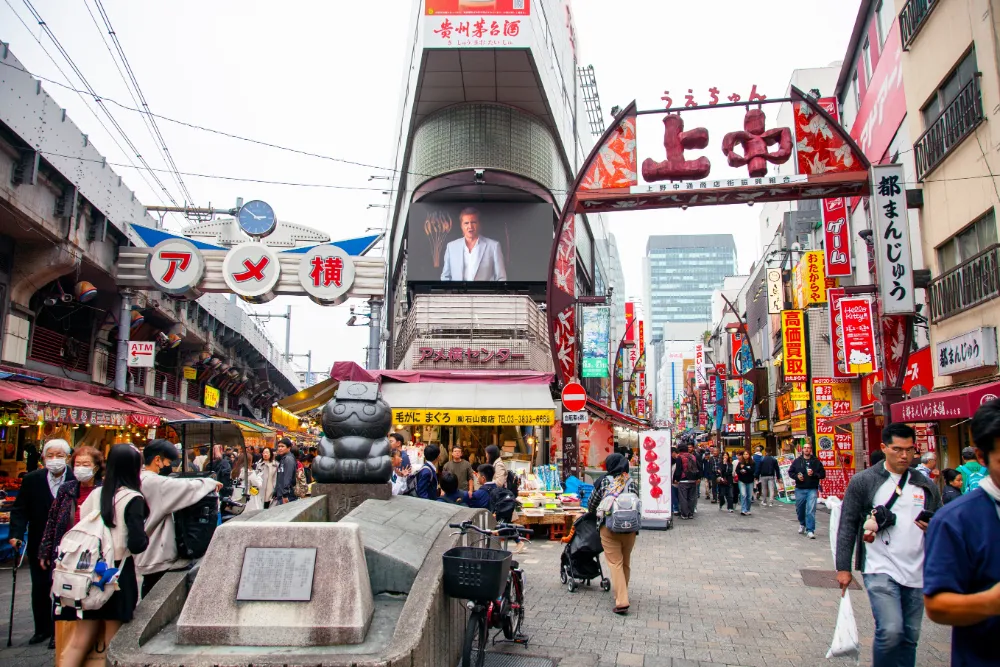
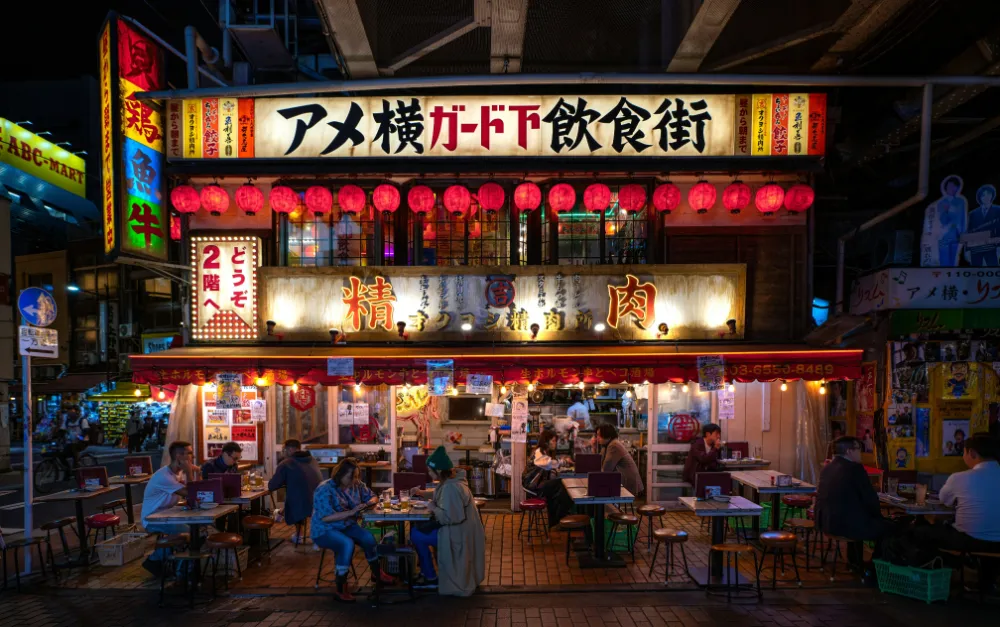
Another popular place in the area is Ameya-Yokocho, often called Ameyoko, a lively shopping street where visitors can enjoy street food and bargain shopping. It is also a favorite spot for locals.
With its mix of culture, food, and shopping, Ueno is a well-balanced destination for visitors to Tokyo.
Access
Ueno is one of Tokyo’s major transportation hubs and is easily accessible by several train lines.
Using the JR Yamanote Line, it takes about 10 minutes from Tokyo Station and about 5 minutes from Akihabara.
You can also reach Ueno directly from Narita Airport using the Keisei Line.
Things to Do
One of the most popular attractions in Ueno is Ueno Zoo, where visitors can see giant pandas.
Inside Ueno Park, there are also several museums and art galleries where you can learn more about Japanese culture and history.
After exploring the park, many visitors head to Ameyoko Street to try street food and enjoy local shopping.
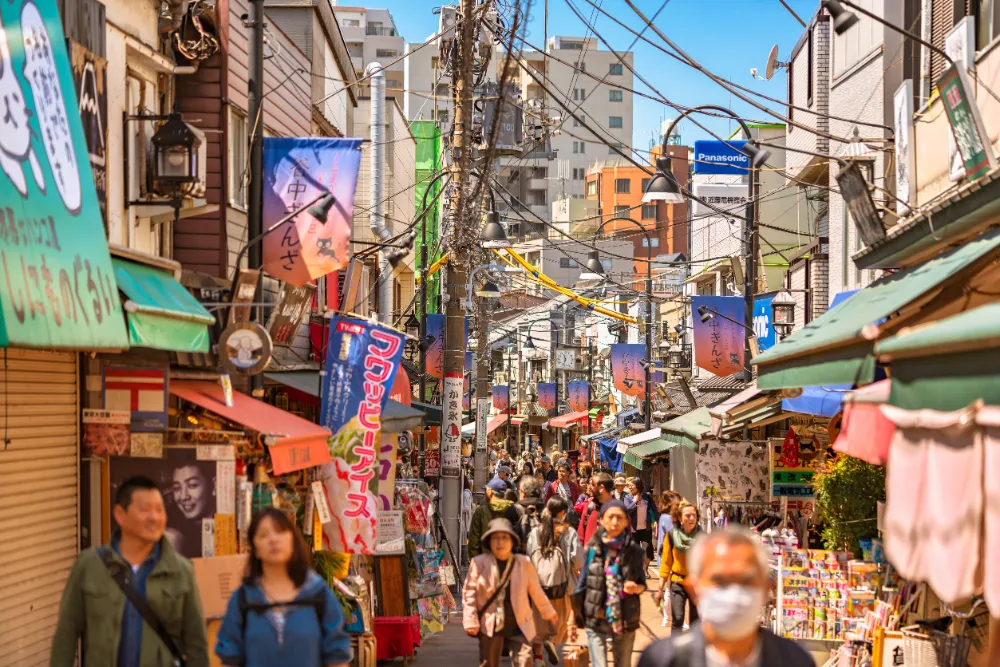
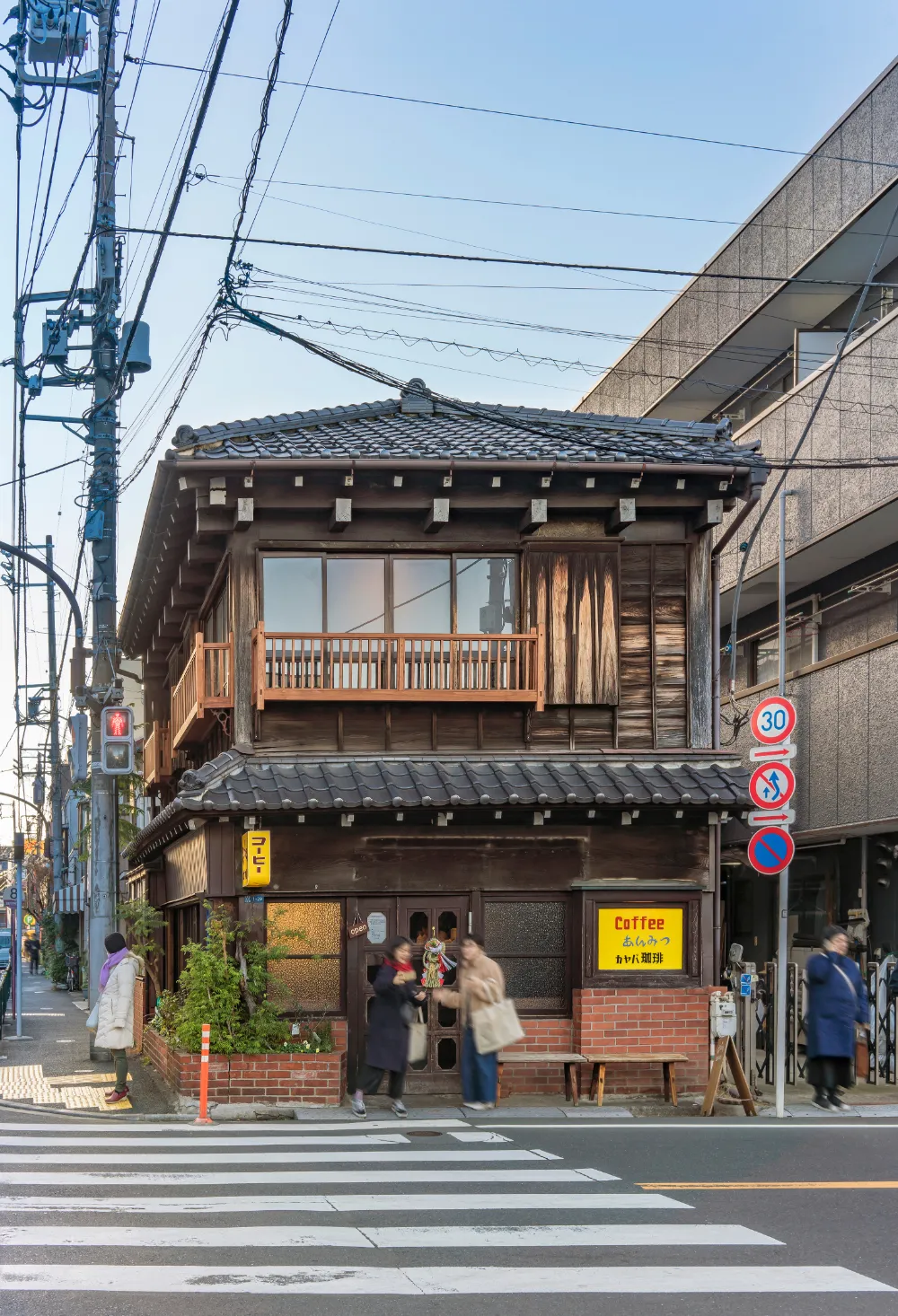
Yanaka is one of the few neighborhods in Tokyo where you can still experience the atmosphere of old Tokyo. Unlike many modern districts, Yanaka retains traditional streets, small temples, and historic houses.
The area survived much of the destruction during World War II, which is why many old buildings remain today.
The main street, Yanaka Ginza, is a charming shopping street filled with local food stalls, traditional snacks, and small shops. The relaxed and nostalgic atmosphere makes Yanaka a great place for slow sightseeing and walking.
Access
Yanaka is located near Nippori Station, which can be reached using the JR Yamanote Line.
From Ueno, it takes about 5 minutes by train. The area is also accessible from Narita Airport via the Keisei Line.
Things to Do
The best way to explore Yanaka is simply by walking through the neighborhood.
Visitors can stroll along Yanaka Ginza, try local street food, visit small temples, and explore quiet residential streets.
The area is also known for its many cats, which have become a small symbol of the neighborhood.
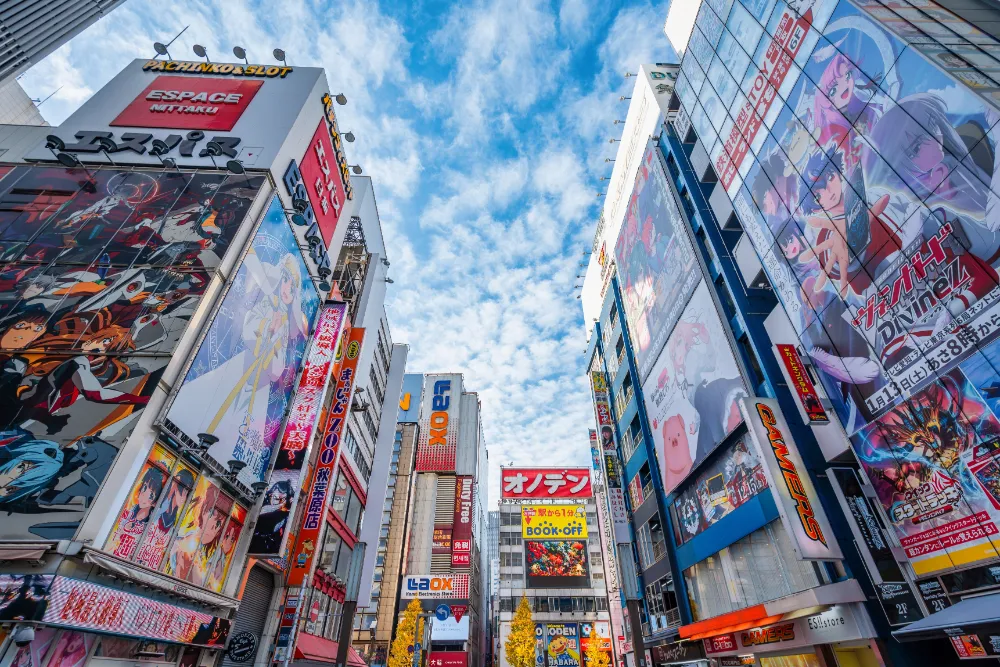
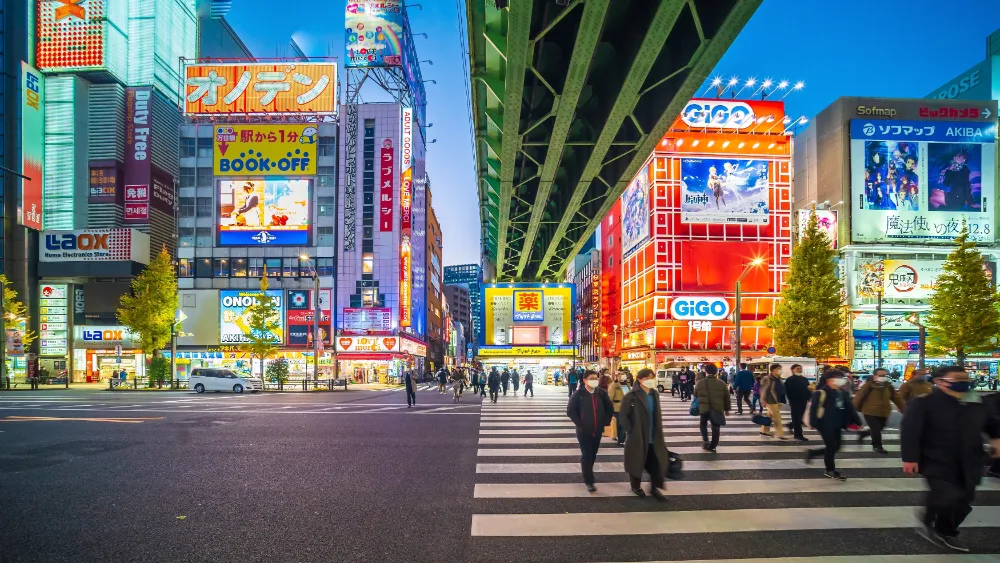
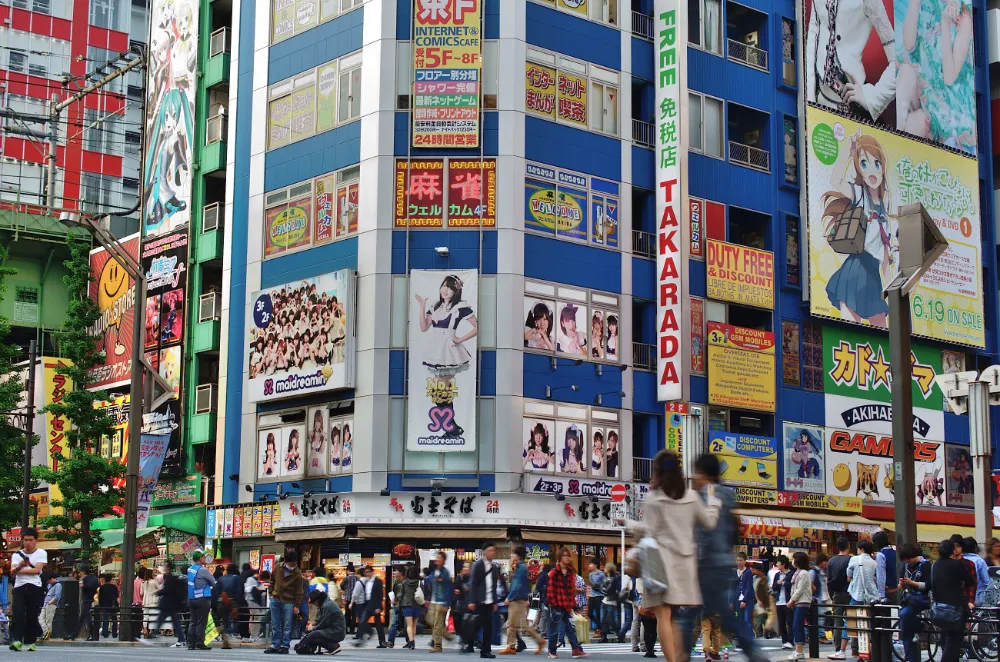
Akihabara is famous around the world as the center of Japan’s anime, gaming, and pop culture.
The district originally developed as an electronics town, but today it has become a unique area filled with anime stores, figure shops, video game stores, and themed cafes.
For travelers who are interested in Japanese pop culture, Akihabara is one of the most exciting places to visit in Tokyo.
Access
Akihabara is easy to reach from many parts of Tokyo.
If you take the JR Yamanote Line, it takes about 5 minutes from Tokyo Station and around 3 minutes from Ueno.
You can also access the area using the Tokyo Metro Hibiya Line and other subway lines.
Things to Do
Akihabara is the perfect place to experience Japanese pop culture.
You will find many specialty stores selling anime merchandise, figures, manga, and collectibles. The area is also known for its large number of arcades where you can play Japanese video games.
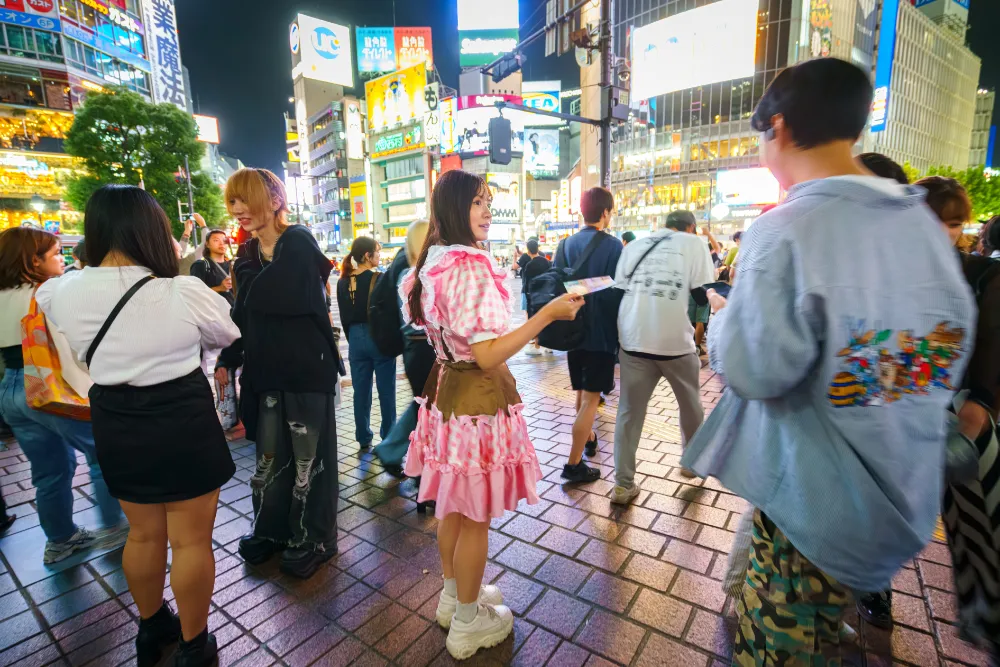
Another unique experience in Akihabara is visiting a maid café, which has become a well-known part of the district’s culture.
Because of its history as an electronics district, there are also many shops selling cameras, gadgets, and electronic devices.
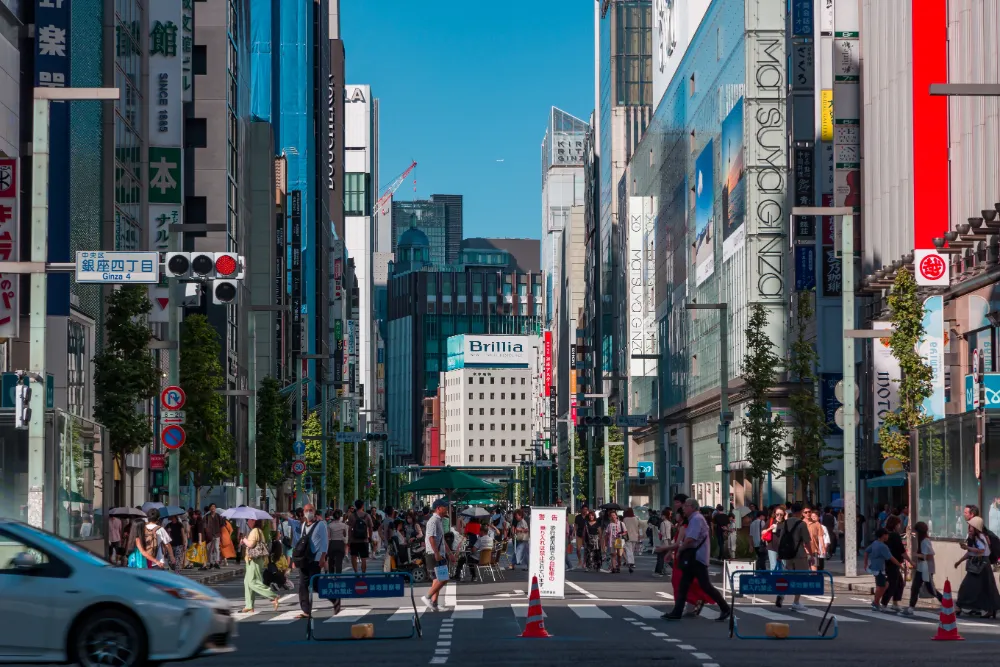
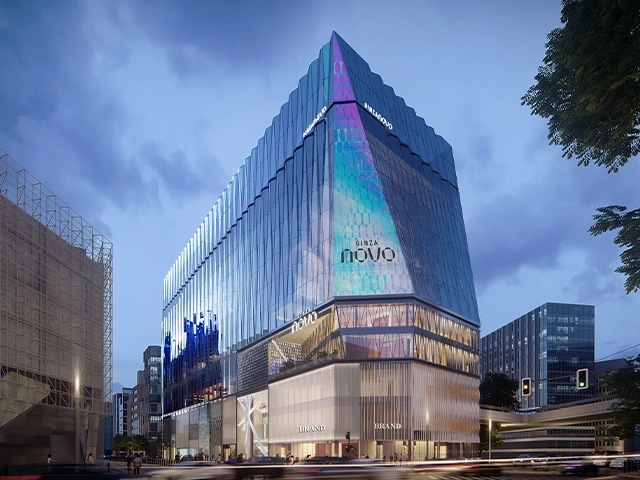
Ginza is Tokyo’s most famous luxury shopping district and is known around the world for its high-end brands and elegant atmosphere.
The area is home to many international luxury boutiques, department stores, and fine dining restaurants. Ginza is also a great place to experience modern Japanese urban culture.
In addition to luxury shopping, the area has many traditional Japanese restaurants and sushi bars, making it a popular destination for food lovers.
On weekends, the main street Chuo Dori becomes a pedestrian zone, allowing visitors to enjoy a relaxed walk through the district.
Access
Ginza is easily accessible by several subway lines, including the Tokyo Metro Ginza Line and Marunouchi Line.
It is about a 15-minute walk from Tokyo Station, or just a few minutes by subway.
From Haneda Airport, it takes around 40 minutes by train.
Things to Do
Ginza is best known for shopping and dining.
Visitors can explore luxury boutiques, large department stores, and specialty shops. Dining at famous sushi restaurants or traditional Japanese restaurants is also a popular experience.
On weekends, many people enjoy walking along the car-free Chuo Dori street while exploring the district.
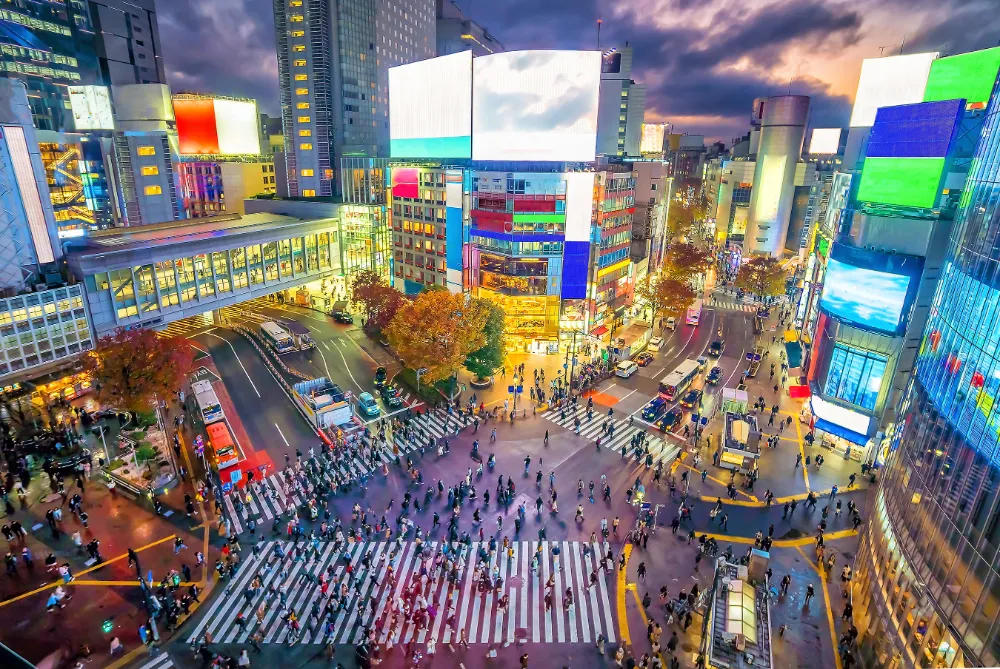
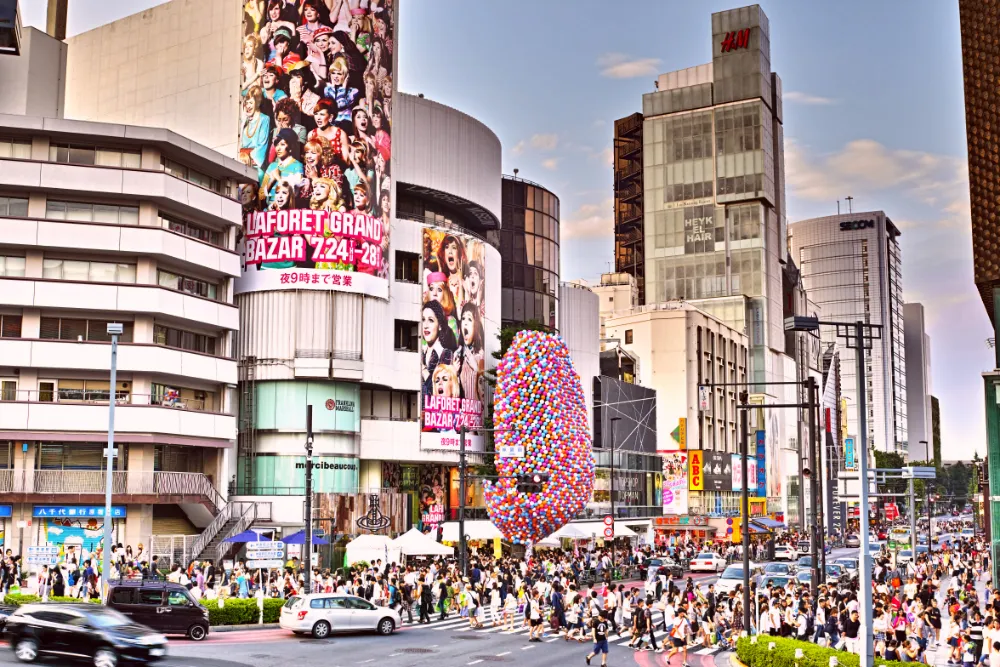
Shibuya is one of Tokyo’s most famous districts and a global symbol of modern Japanese city culture. The area is especially well known for the Shibuya Scramble Crossing, often described as the busiest pedestrian crossing in the world.
Shibuya is filled with large shopping complexes, restaurants, cafés, and entertainment spots. The neighborhood is lively throughout the day and night, attracting both locals and visitors from around the world.
Another popular landmark is the Hachiko Statue, located just outside Shibuya Station. The statue of the loyal dog Hachiko is a well-known meeting spot and a favorite photo location for tourists.
For travelers who want to experience Tokyo’s modern urban culture, Shibuya is a must-visit destination.
Access
Shibuya is one of Tokyo’s major transportation hubs and is served by several train lines.
Using the JR Yamanote Line, it takes about 7 minutes from Shinjuku and around 25 minutes from Tokyo Station.
From Haneda Airport, you can reach Shibuya in about 40 to 50 minutes by transferring from the Keikyu Line to JR lines.
Things to Do
Shibuya is a great place for shopping, dining, and nightlife.
Many visitors enjoy walking across the famous Shibuya Scramble Crossing or viewing the city from observation decks nearby. The area is also home to many large shopping malls and trendy stores where you can experience Tokyo’s latest fashion and culture.
At night, Shibuya becomes a lively entertainment district with bars, clubs, and restaurants.
Harajuku is known as the center of Japanese youth fashion and street culture.
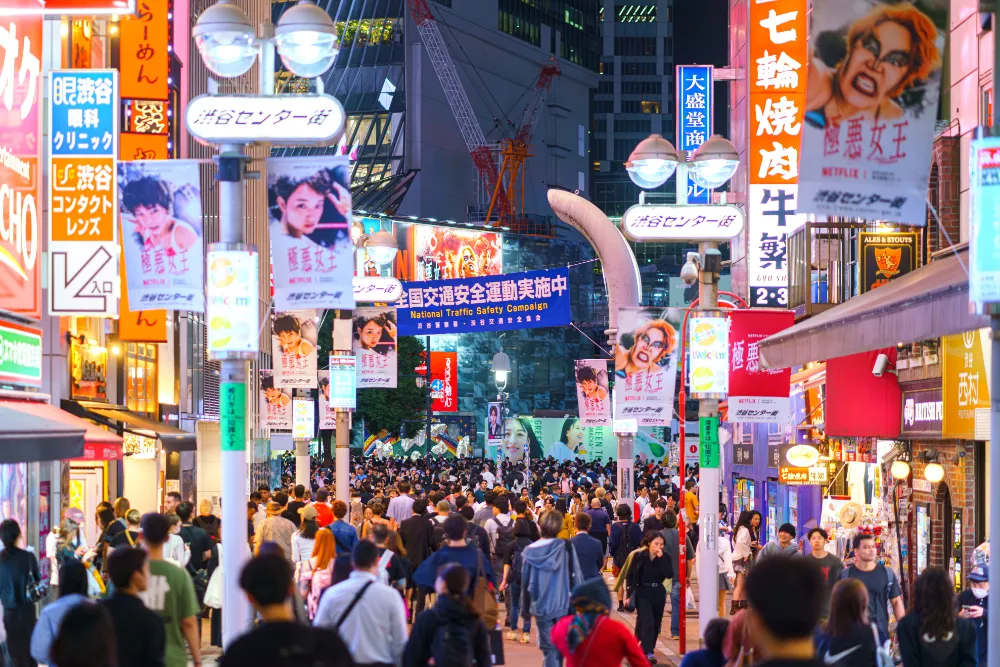
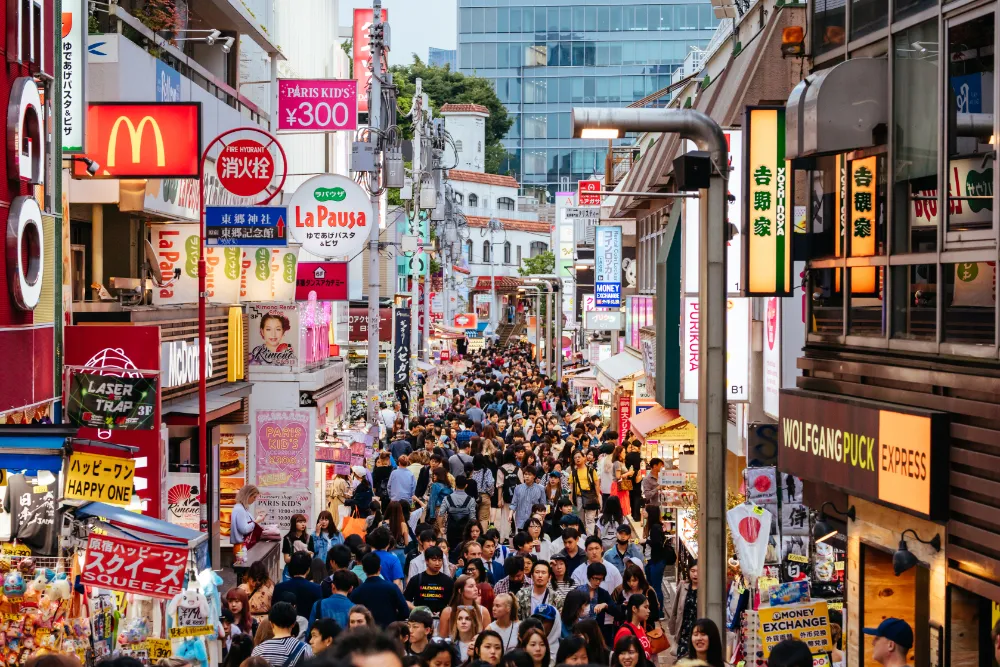
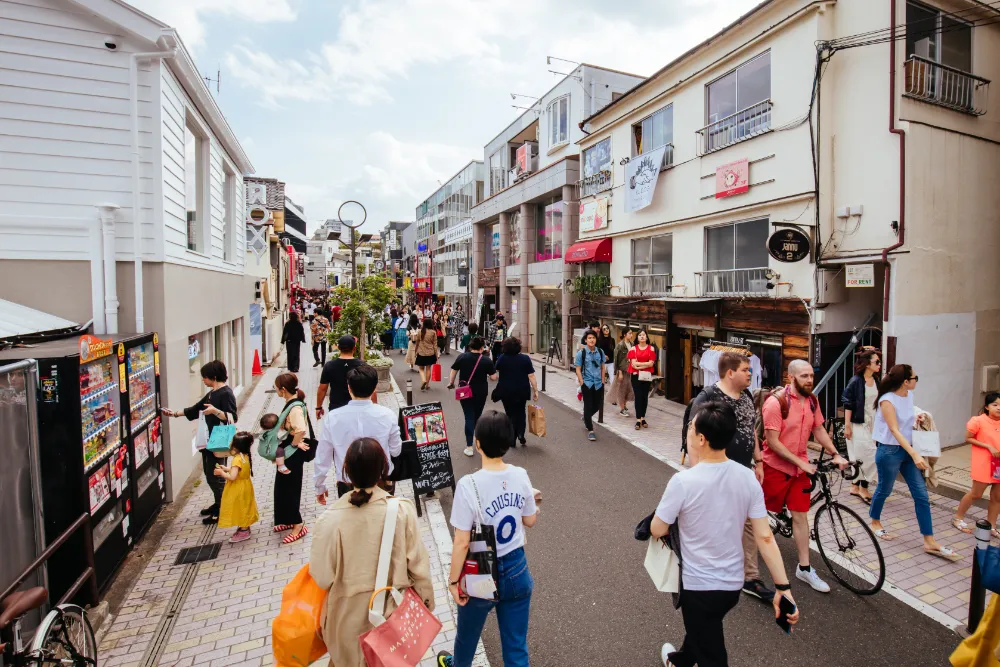
The area is famous for its unique fashion shops, trendy cafés, and colorful desserts. One of the most popular spots is Takeshita Street, a lively pedestrian street filled with boutiques, street food stalls, and sweet shops.
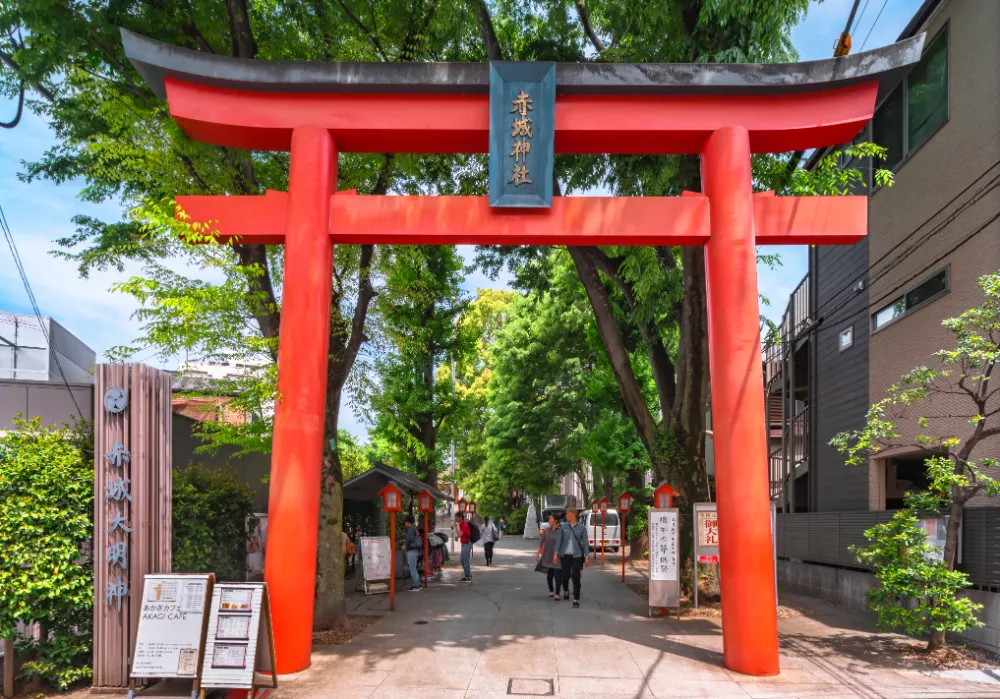
While Harajuku is known for its pop culture and fashion scene, it is also located next to Meiji Shrine, a peaceful Shinto shrine surrounded by a forest. This contrast allows visitors to experience both modern youth culture and traditional Japanese spirituality in the same area.
Access
The easiest way to reach Harajuku is via JR Harajuku Station on the JR Yamanote Line.
It takes about 2 minutes from Shibuya and around 10 minutes from Shinjuku.
You can also access the area from Meiji-jingumae Station on the Tokyo Metro Chiyoda Line.
Things to Do
Harajuku is the perfect place to explore Tokyo’s fashion and pop culture.
Visitors often walk along Takeshita Street to try popular street foods such as crepes and colorful sweets. Shopping for unique fashion items is also a major attraction.
Another popular activity is visiting Meiji Shrine, where you can experience traditional Japanese shrine culture and enjoy a peaceful walk through the surrounding forest.
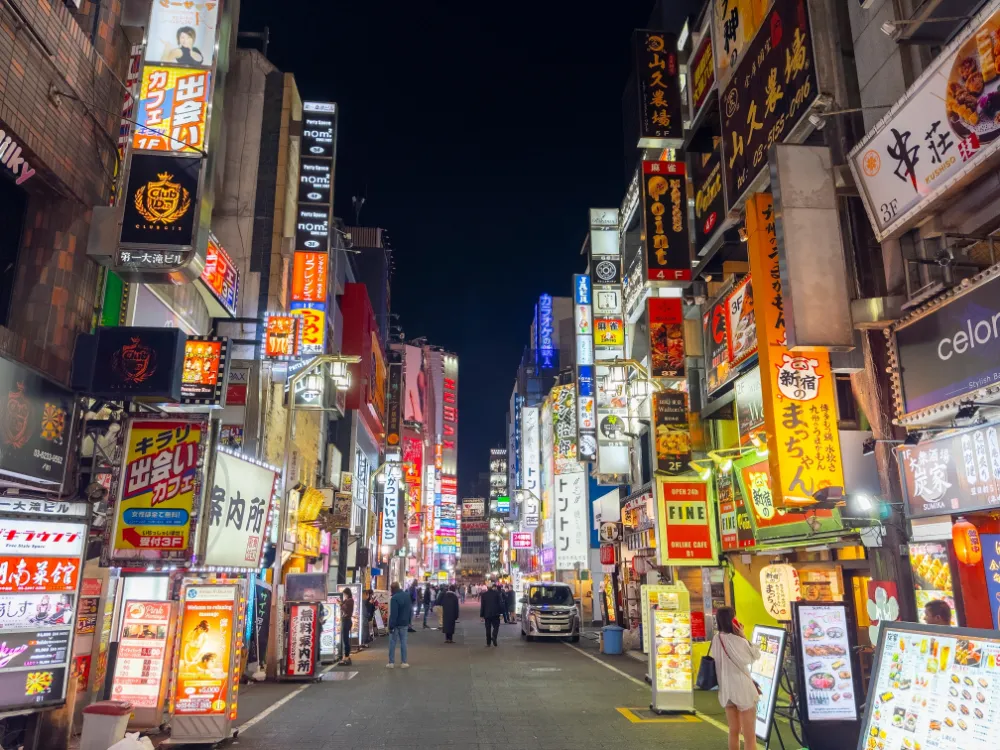
Shinjuku is one of Tokyo’s largest and busiest districts. It is known for its shopping, restaurants, entertainment, and nightlife.
Shinjuku Station is the busiest railway station in the world, serving millions of passengers every day. The area around the station is filled with department stores, shopping malls, and restaurants.
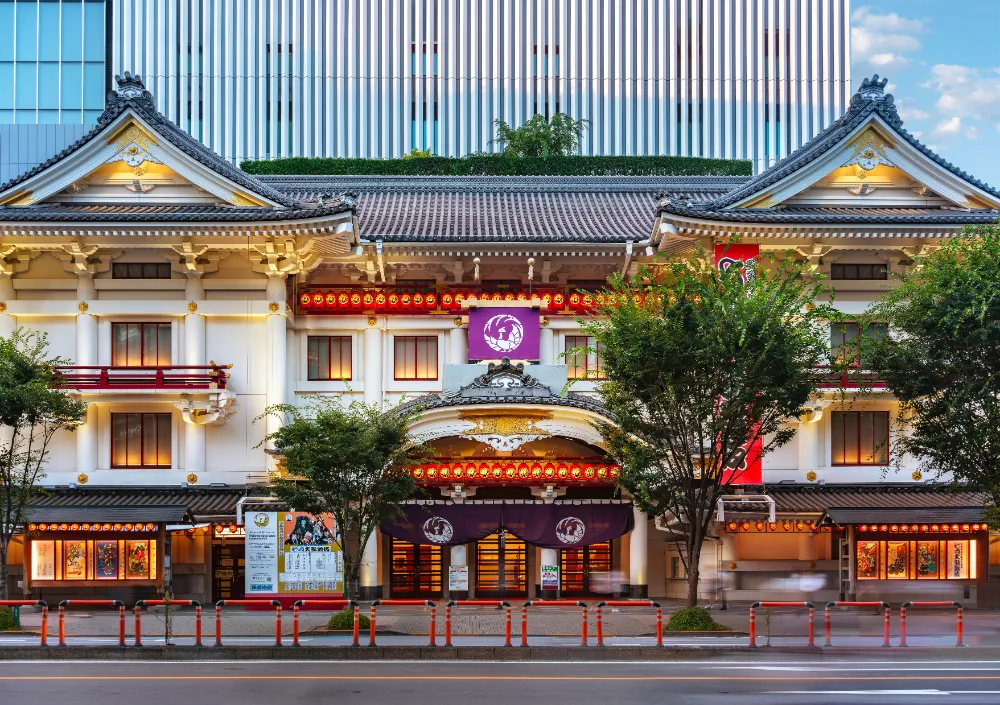
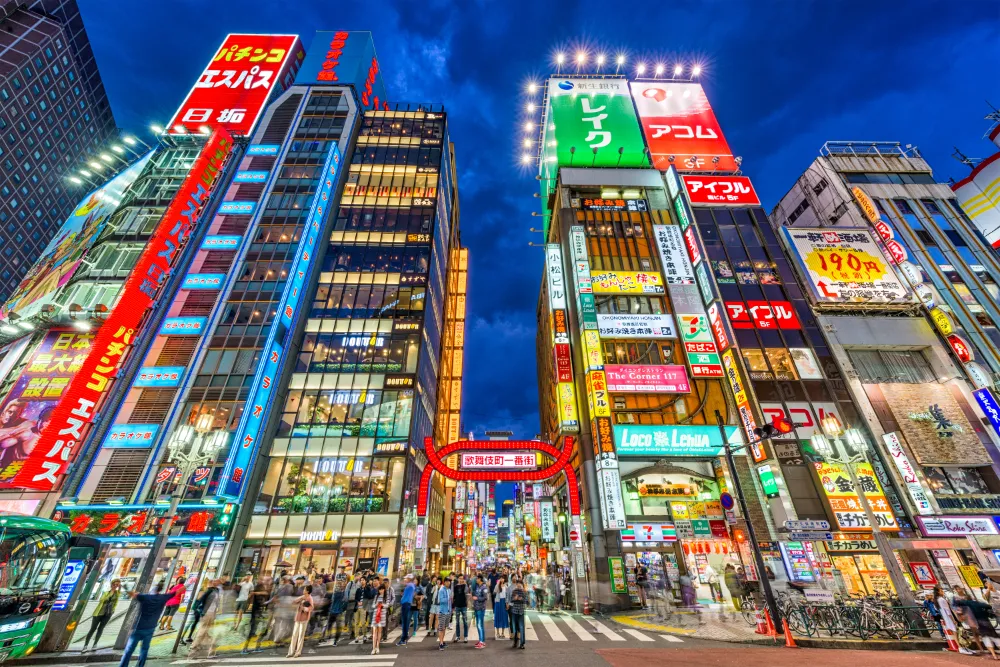
The Nishi-Shinjuku area is famous for its modern skyscrapers and office buildings, while Kabukicho is known as Tokyo’s most famous entertainment district.
Another popular attraction is Shinjuku Gyoen National Garden, a large park in the middle of the city where visitors can relax and enjoy nature.
Access
Shinjuku is one of the biggest transportation hubs in Tokyo.
Using the JR Yamanote Line, it takes about 7 minutes from Shibuya and about 15 minutes from Tokyo Station.
You can also reach Shinjuku directly from Narita Airport via the Narita Express train.
Things to Do
Shinjuku offers a wide range of activities, from shopping to nightlife.
Visitors can enjoy panoramic views of Tokyo from observation decks in the skyscrapers of Nishi-Shinjuku. Walking through the lively streets filled with restaurants and bars is also a popular experience.
For a quieter atmosphere, many people visit Shinjuku Gyoen, which is especially beautiful during cherry blossom season.
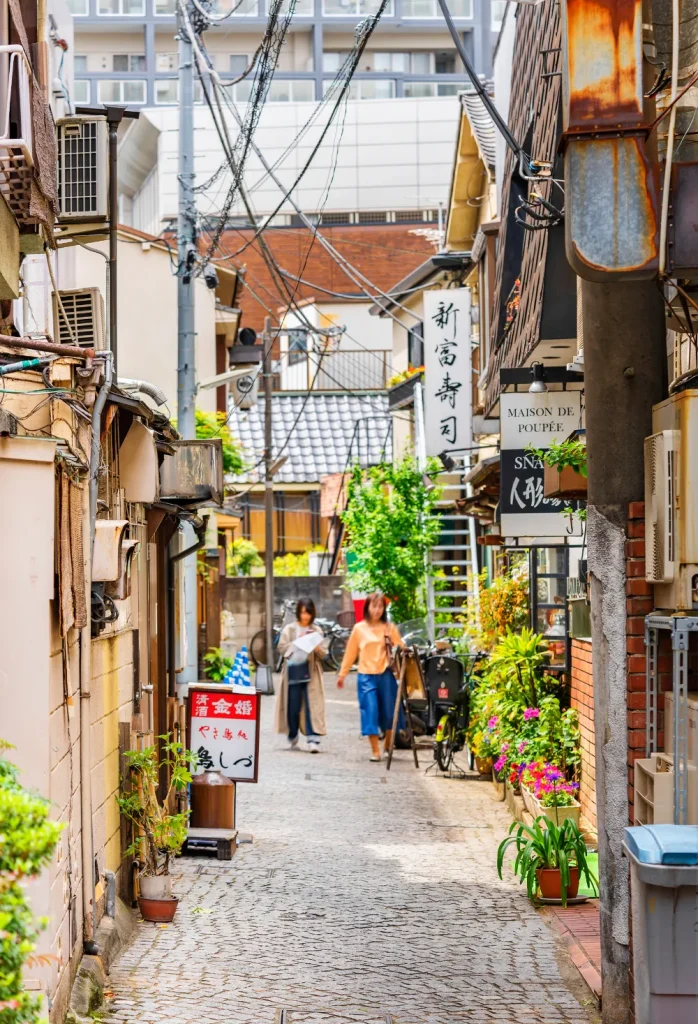
Kagurazaka is a historic district in Tokyo known for its elegant atmosphere, traditional restaurants, and narrow backstreets.
The area was once famous as a geisha district, and traces of that history can still be seen in the small alleys and traditional buildings.
Today, Kagurazaka is also known for its strong French influence, with many French restaurants, bakeries, and cafés. Because of this unique mix of Japanese tradition and European culture, the area has a distinctive and sophisticated atmosphere.
Access
Kagurazaka can be reached using the Tokyo Metro Tozai Line, getting off at Kagurazaka Station.
It is also within walking distance from Iidabashi Station, which is served by several JR and subway lines.
From Shinjuku, the trip takes around 15 minutes.
Things to Do
Visitors can explore the narrow backstreets of Kagurazaka and discover traditional restaurants, cafés, and small boutiques.
The area is also known for its excellent dining options, including Japanese kaiseki restaurants and French bistros.
Walking through the quiet alleys is one of the best ways to experience the charm of Kagurazaka.
Ikebukuro is one of Tokyo’s major commercial districts and is particularly popular among anime and manga fans.
Near the station is Otome Road, an area known for stores selling anime merchandise, figures, manga, and fan goods. It is especially popular with visitors interested in Japanese pop culture.
Ikebukuro also has large shopping centers, department stores, and many restaurants, making it a convenient place for both shopping and entertainment. Because of its excellent transportation access, it can also be a good base for exploring Tokyo.
Access
Ikebukuro Station is a major transportation hub served by many train lines, including the JR Yamanote Line, Saikyo Line, Shonan-Shinjuku Line, and several Tokyo Metro lines.
It takes about 5 minutes from Shinjuku and around 11 minutes from Shibuya.
From Narita Airport, you can reach Ikebukuro using the Narita Express, and from Haneda Airport it takes about 45 to 60 minutes by train.
Things to Do
One of the main attractions in Ikebukuro is exploring the anime and manga shops around Otome Road.
Visitors can also enjoy the view from the Sunshine 60 Observatory, or visit attractions such as the aquarium inside the Sunshine City complex.
The area offers plenty of shopping, entertainment, and dining options.
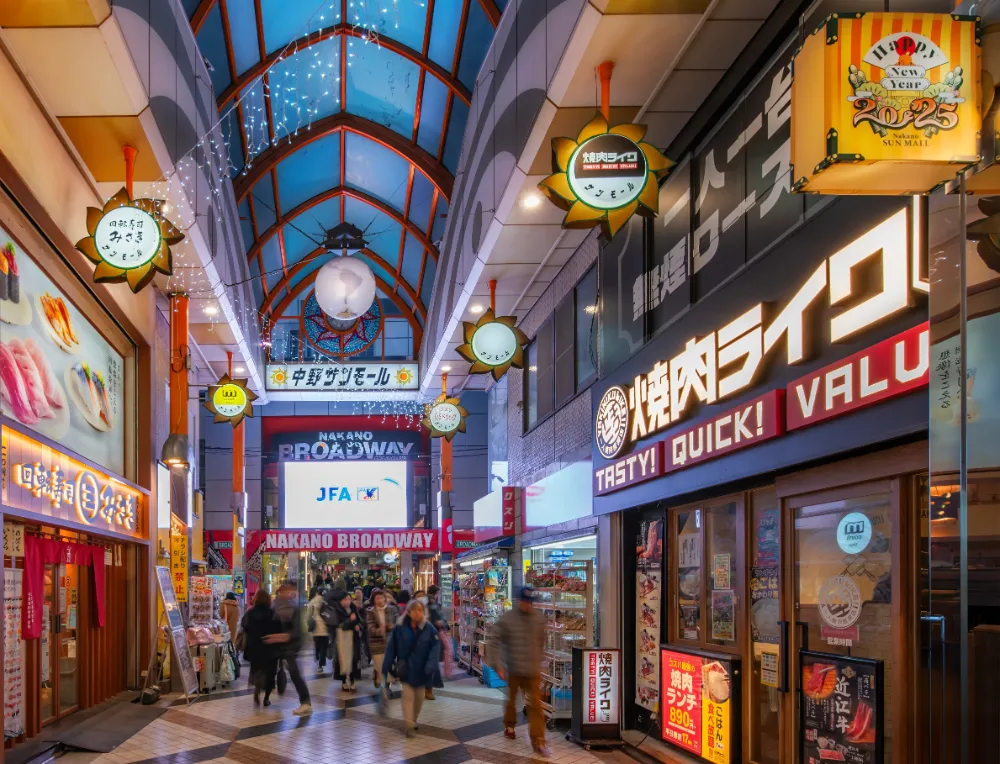
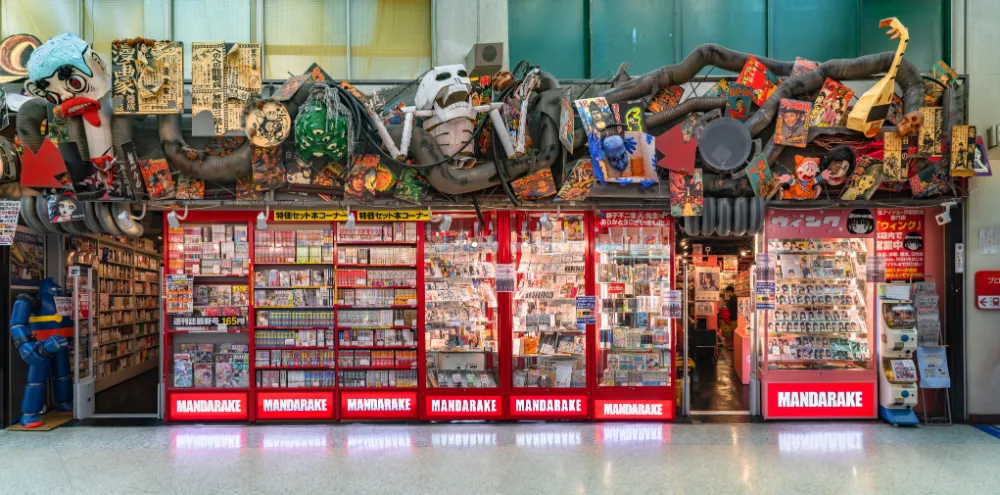
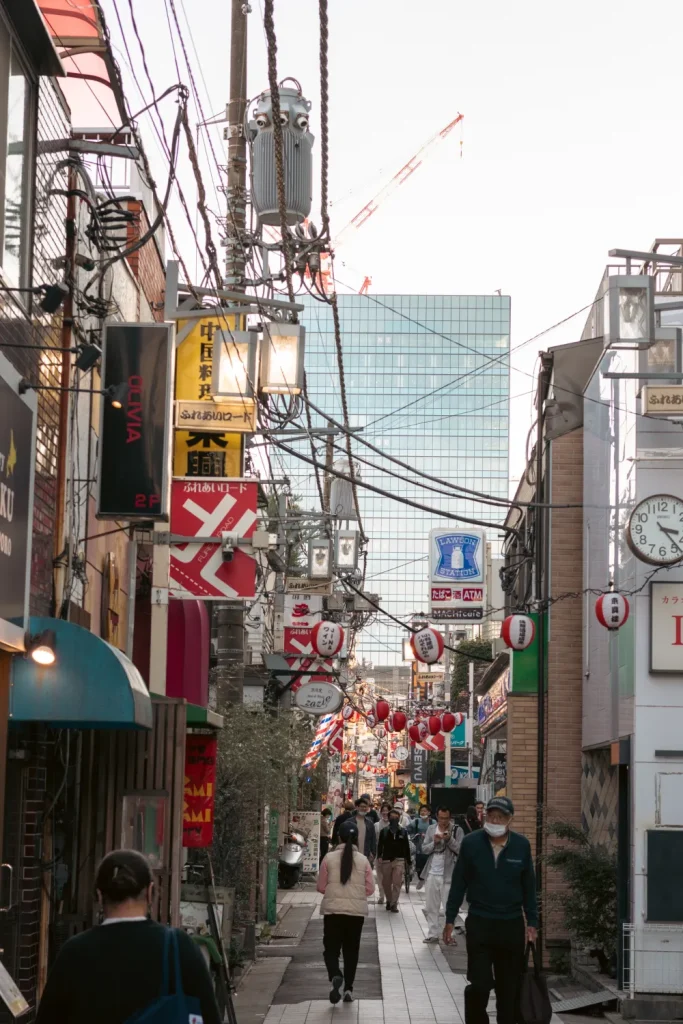
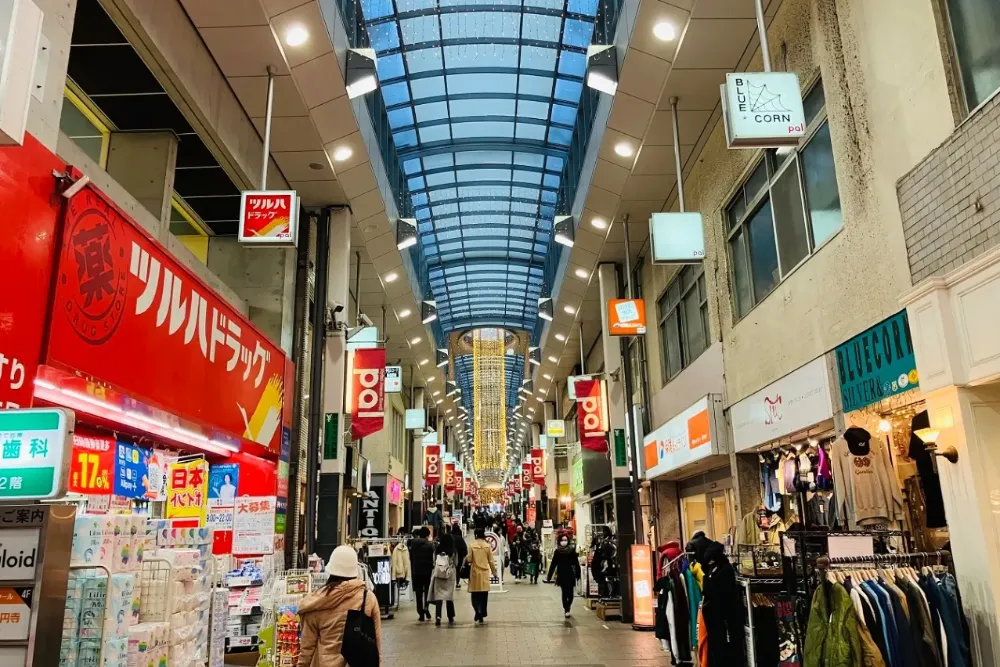
Nakano Sun MallNakano Broadway MandarakeNakano Fureai Road
Area Overview
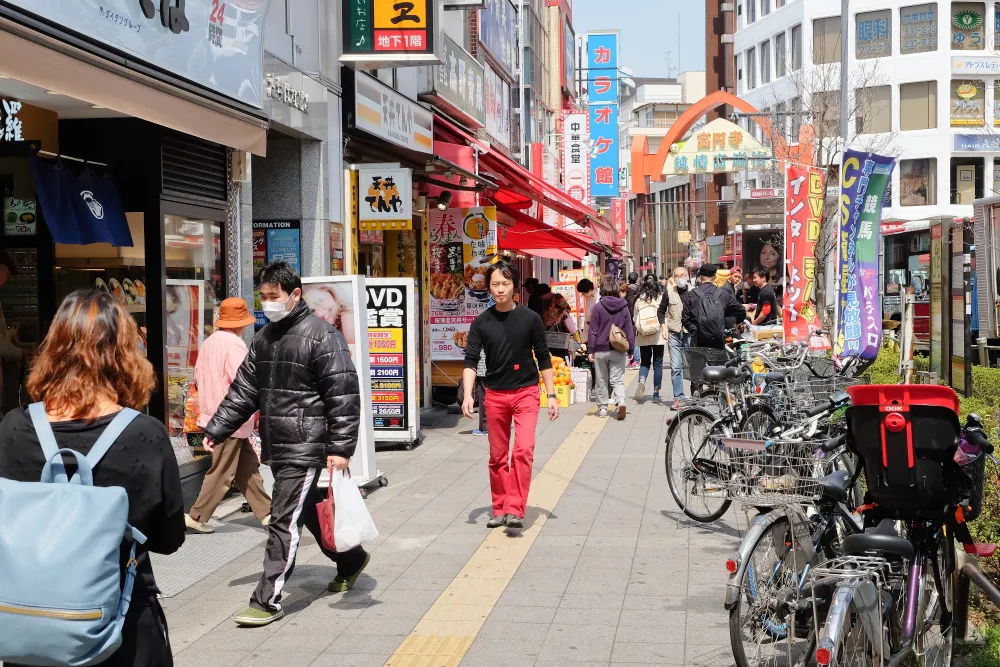
Nakano is a popular district in Tokyo known for anime, manga, and pop culture. The area is especially famous for Nakano Broadway, a shopping complex filled with stores selling anime merchandise, manga, rare collectibles, and vintage toys.
Compared to Akihabara, Nakano has a more local and underground atmosphere, attracting collectors and serious anime fans looking for rare items.
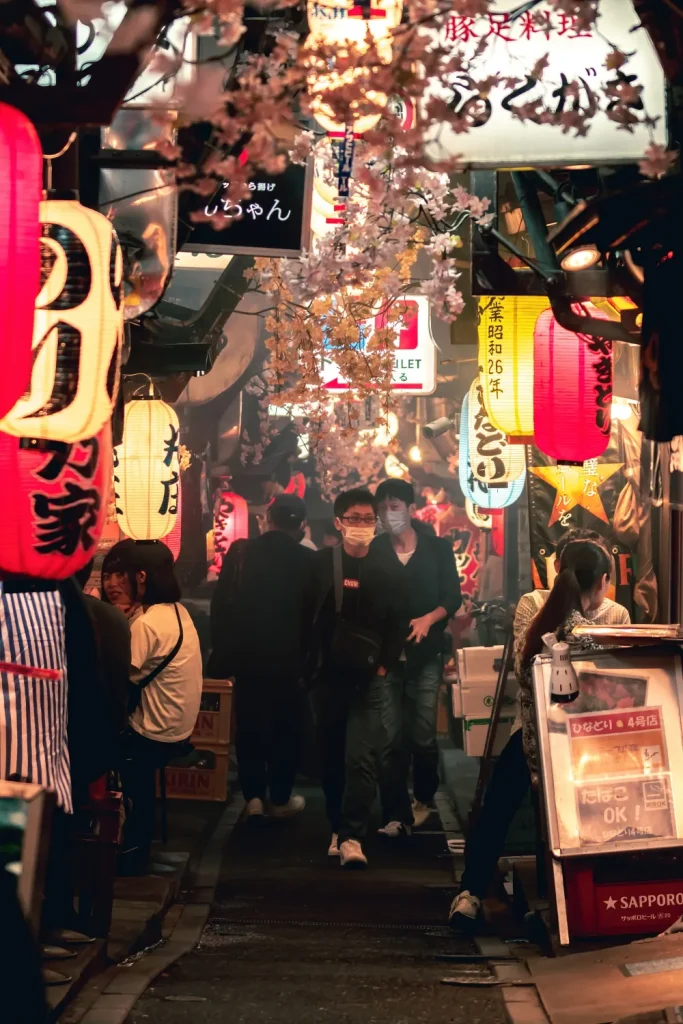
The streets around Nakano Station are also full of small restaurants, bars, and local shops, making it a great place to experience Tokyo’s casual nightlife and everyday food culture.
Access
Nakano is easy to reach using the JR Chuo Line from Shinjuku, which takes about 5 minutes.
From Tokyo Station, it takes around 20 minutes by train. The area is also accessible via the Tokyo Metro Tozai Line.
Things to Do
The main attraction in Nakano is exploring Nakano Broadway, where visitors can find anime figures, manga, retro games, and unique collectibles.
The area is also great for casual dining, with many ramen shops, izakaya, and small local restaurants near the station.
For anime fans, Nakano offers a unique shopping experience different from Akihabara.
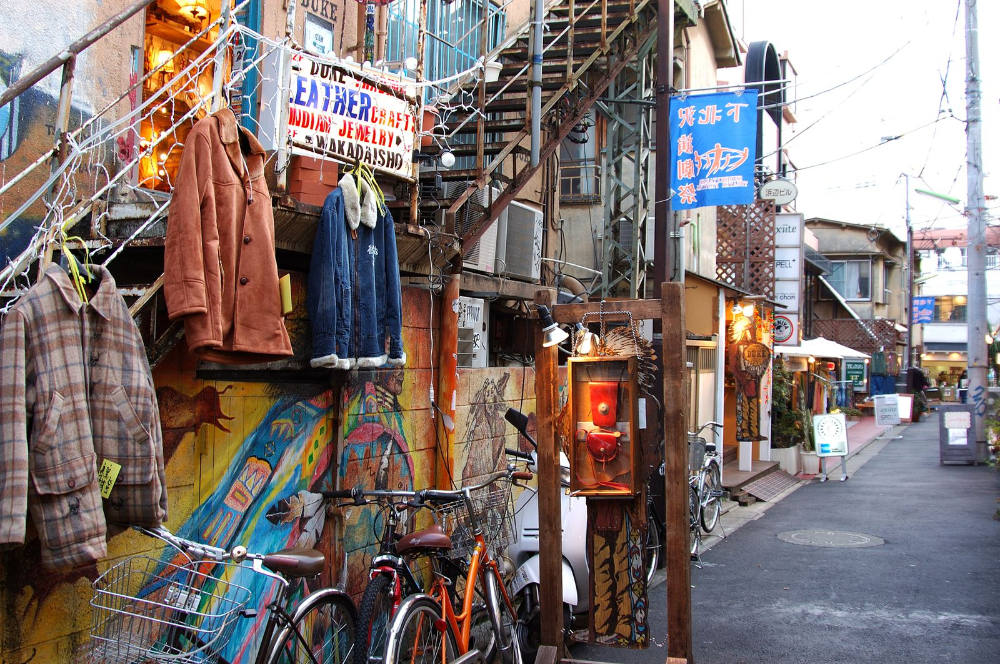
Koenji is known as one of Tokyo’s most unique and creative neighborhoods.
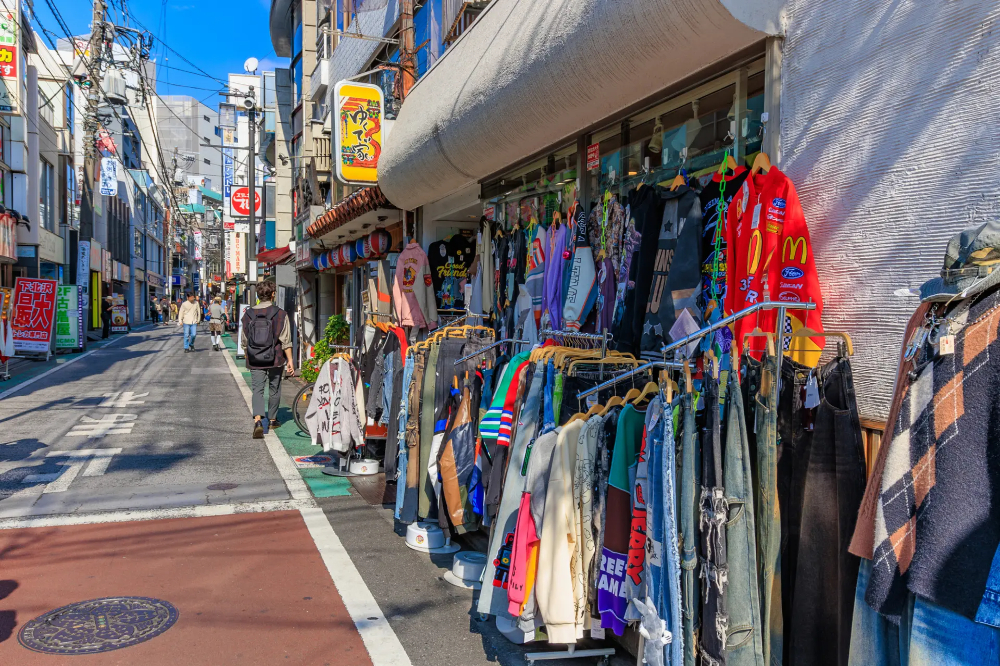
The area is famous for its vintage clothing shops, record stores, small cafés, and local bars. Many artists and young people are drawn to the district because of its relaxed and alternative atmosphere.
Although Koenji is not a major tourist destination, it is popular among travelers who want to experience a more local side of Tokyo. The small shopping streets around the station are great for exploring and discovering hidden spots.
Access
Koenji Station is served by the JR Chuo Line and JR Sobu Line.
It takes about 7 minutes from Shinjuku by the Chuo Line and around 25 minutes from Tokyo Station.
From Haneda Airport, you can reach Koenji in about 50 to 60 minutes by taking the JR Yamanote Line to Shinjuku and transferring to the Chuo Line.
Things to Do
Koenji is especially famous for its vintage clothing shops, making it a great place for thrift shopping.
The area also has many small live music venues and bars where visitors can experience Tokyo’s indie music scene. In addition, local ramen shops and izakaya restaurants offer a chance to enjoy everyday Japanese food culture.
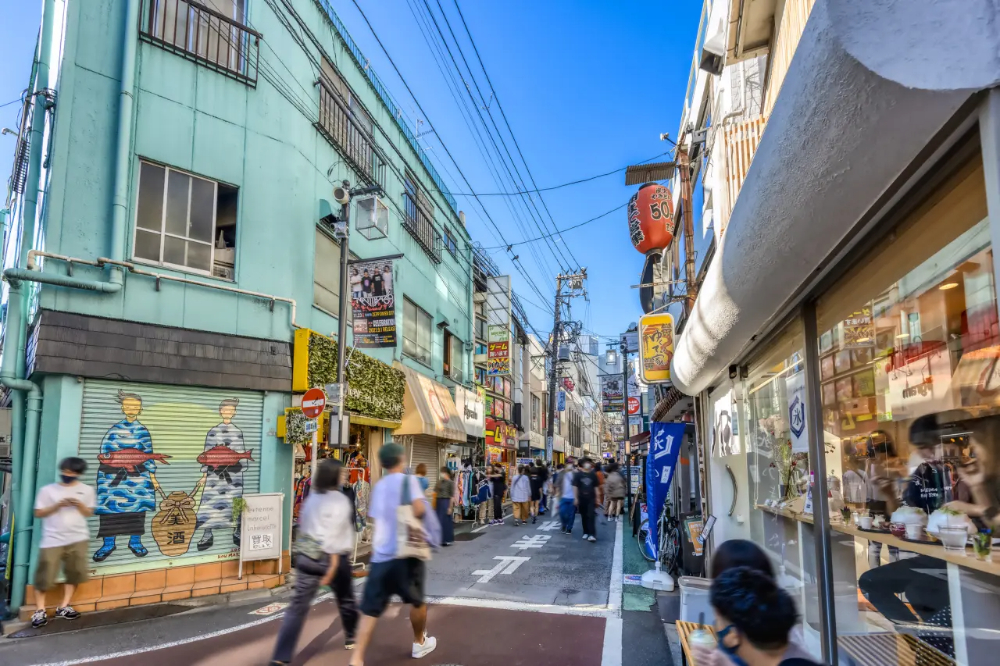
Shimokitazawa is known as the center of Tokyo’s indie culture and creative scene.
The neighborhood is filled with vintage clothing shops, unique cafés, record stores, and small theaters. Its narrow streets and relaxed atmosphere make it a great place to explore on foot.
Because of its artistic and alternative vibe, Shimokitazawa is also popular with international travelers who want to experience Tokyo’s local trends and subculture.
Access
Shimokitazawa Station is served by the Odakyu Line and the Keio Inokashira Line.
It takes about 8 minutes from Shinjuku on the Odakyu Line and about 4 minutes from Shibuya on the Inokashira Line.
From Haneda Airport, you can travel to Shibuya on the JR Yamanote Line and transfer to the Inokashira Line, which takes about 40 to 50 minutes.
Things to Do
One of the most popular activities in Shimokitazawa is visiting its many vintage clothing shops to find unique fashion items.
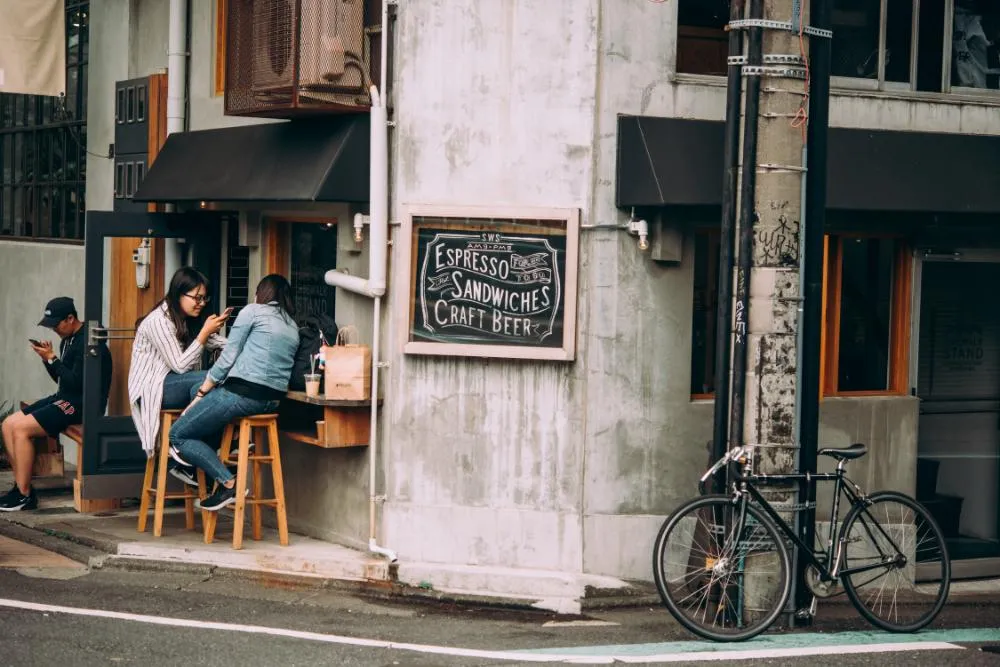
The area is also great for café hopping, and there are many small restaurants and bars with creative concepts.
Visitors can also enjoy indie theater performances and live music events in the neighborhood.
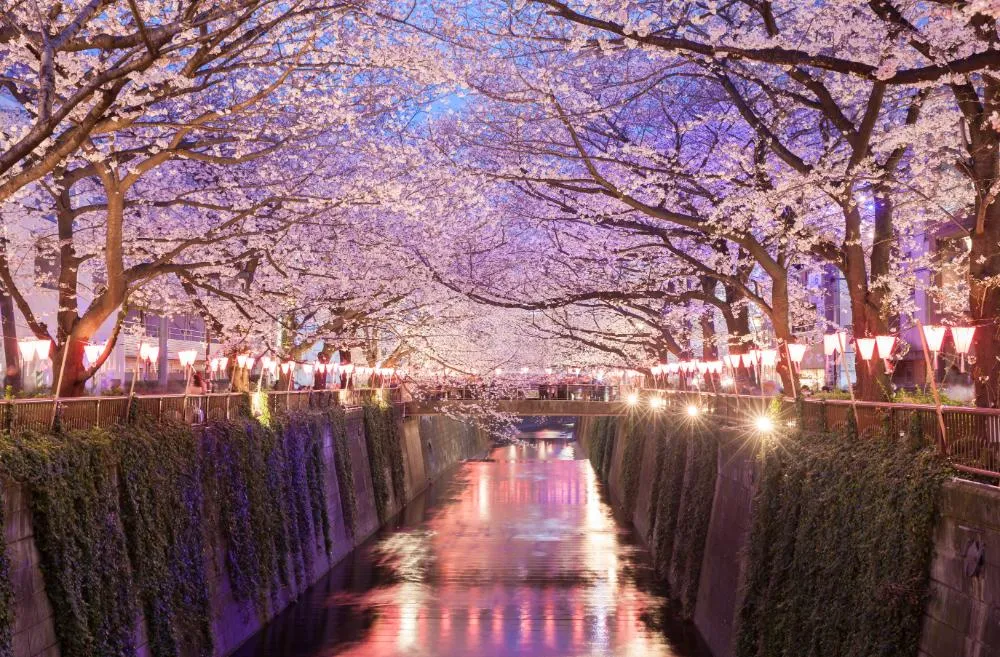
Nakameguro is a stylish neighborhood in Tokyo known for its relaxed atmosphere, trendy cafés, and boutique shops. The area is centered around the Meguro River, which creates a scenic setting that attracts visitors throughout the year.
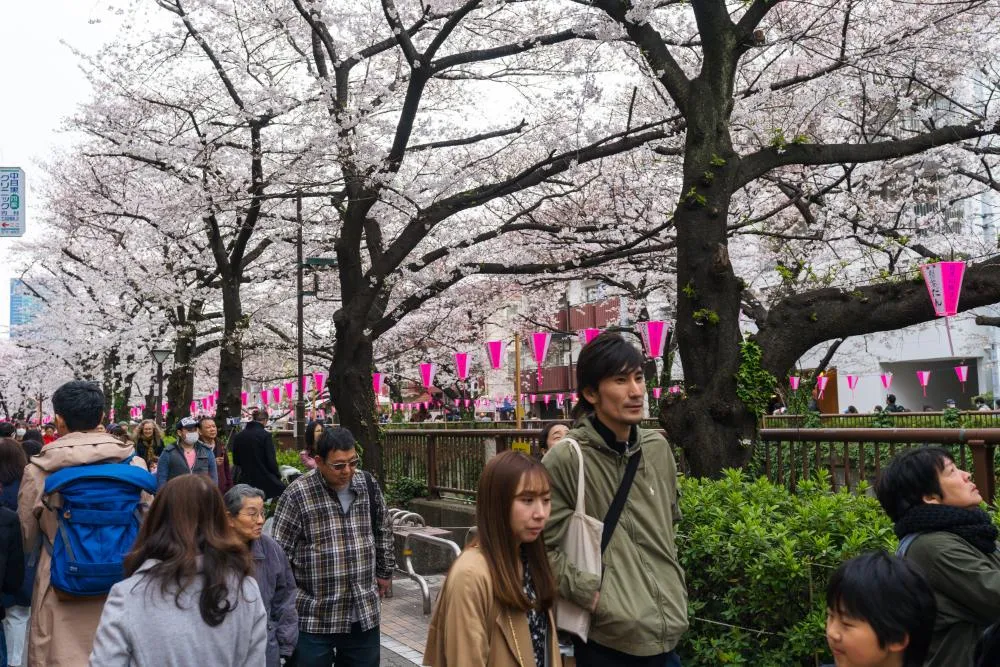
The neighborhood is especially famous during cherry blossom season, when hundreds of sakura trees line the river and create one of Tokyo’s most beautiful spring views.
Compared to busy tourist areas, Nakameguro has a calm and sophisticated atmosphere, making it popular for café hopping, walking, and exploring local shops.
Access
Nakameguro can be reached using the Tokyu Toyoko Line or the Tokyo Metro Hibiya Line.
It takes about 5 minutes from Shibuya and around 20 minutes from Shinjuku.
Things to Do
Walking along the Meguro River is the most popular activity in Nakameguro.
Visitors can enjoy stylish cafés, restaurants, and small boutiques along the river. The area is also known for its bakery shops and dessert cafés.
During spring, the cherry blossom scenery attracts many visitors from around the world.
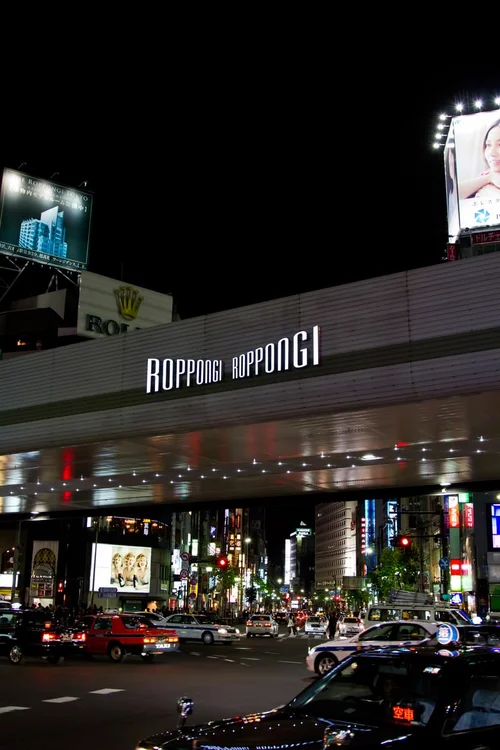
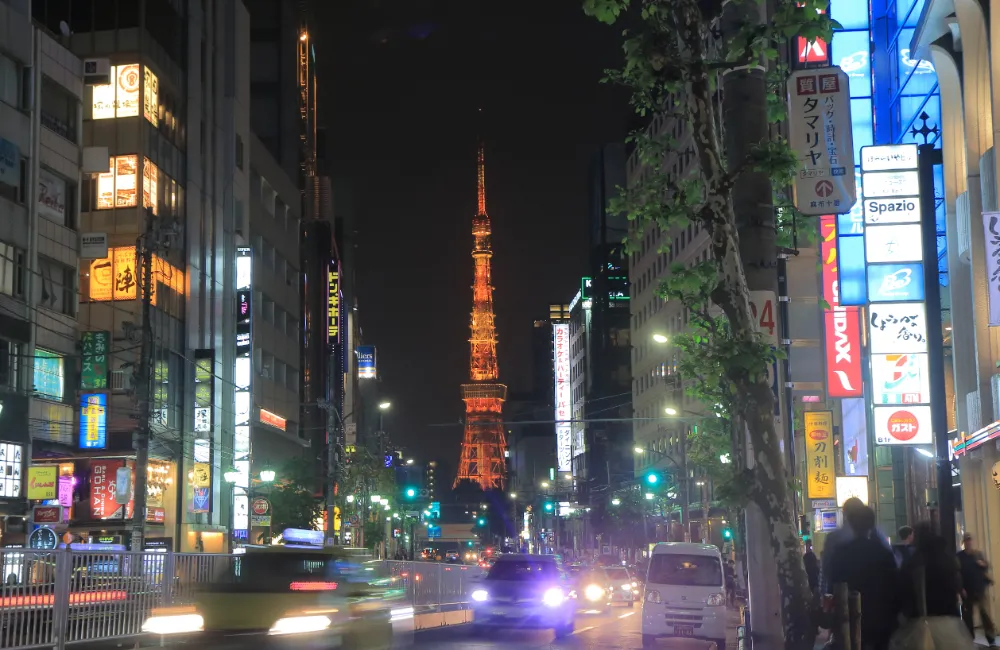
Roppongi is known as one of Tokyo’s most international districts, popular for its nightlife, art museums, and modern city atmosphere. The area attracts both locals and international visitors, making it a lively place day and night.
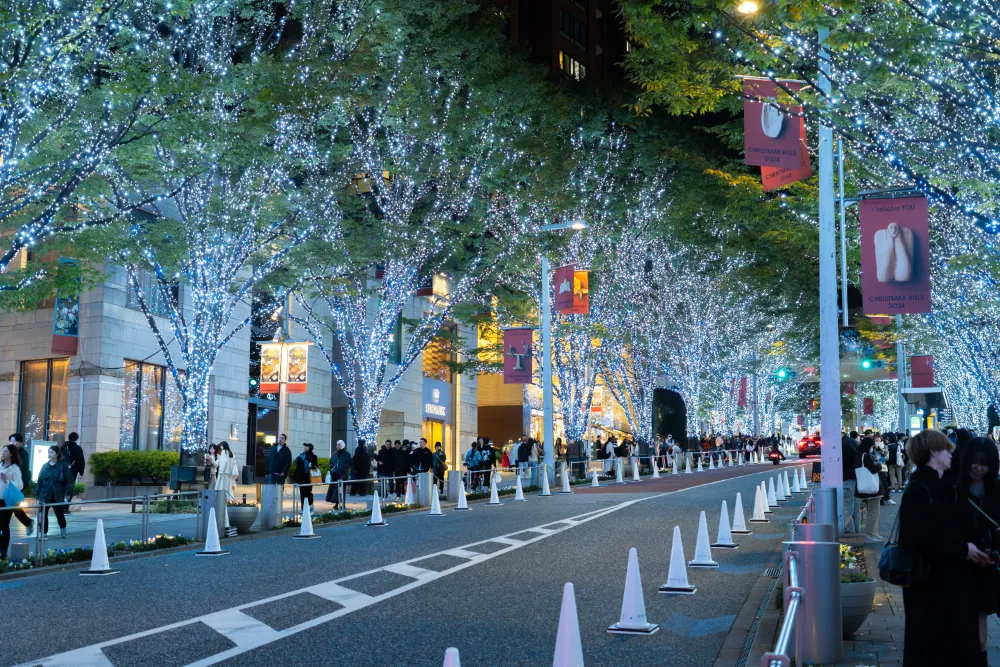
One of the highlights of Roppongi is Roppongi Hills, a large complex that includes shopping, restaurants, offices, and the Mori Tower observation deck. Nearby, Tokyo Midtown is another popular spot with stylish shops, restaurants, and a beautiful park area.
Roppongi is also famous for its art scene. The Mori Art Museum and The National Art Center Tokyo are both located nearby, making the area a great destination for travelers interested in contemporary art and architecture.
Access
Roppongi is easy to reach using the Tokyo Metro Hibiya Line or the Toei Oedo Line.
From major areas like Shibuya or Shinjuku, it takes about 10 to 15 minutes by train. The area is also convenient to reach from central Tokyo districts such as Ginza and Tokyo Station.
Things to Do
Roppongi offers a mix of culture, shopping, and nightlife.
Visitors can enjoy city views from the observation deck at Roppongi Hills, explore art museums, or relax in stylish cafés and restaurants. In the evening, the district becomes lively with bars, clubs, and international dining options.
Because of its global atmosphere, Roppongi is also a popular area for travelers looking to experience Tokyo’s nightlife.
Tsukiji is famous for its historic connection to Tokyo’s fish market and is still one of the best places in the city to enjoy fresh seafood. Although the wholesale market moved to Toyosu in 2018, the Tsukiji Outer Market remains a lively destination for visitors.
The area is filled with small restaurants, sushi counters, and food stalls serving fresh seafood, tamagoyaki (Japanese omelet), grilled seafood, and other traditional Japanese dishes. Walking through the narrow streets of the market is a great way to experience Tokyo’s food culture.
For travelers who want to try authentic sushi and local street food, Tsukiji is one of the best areas in Tokyo.
Access
Tsukiji can be easily reached using the Tokyo Metro Hibiya Line, getting off at Tsukiji Station.
It is also within walking distance from Ginza, making it easy to combine both areas in the same trip.
Things to Do
The main activity in Tsukiji is exploring the Tsukiji Outer Market.
Visitors can try fresh sushi, seafood bowls, and popular street foods while walking through the market streets. Many restaurants open early in the morning, making Tsukiji a great place for breakfast in Tokyo.
Food tours are also popular in the area, allowing visitors to experience a variety of Japanese dishes.
Toyosu is home to the modern Toyosu Market, which replaced the inner wholesale market of Tsukiji in 2018. The market is one of the largest seafood markets in the world and features modern facilities designed for both professionals and visitors.
One of the biggest highlights is the tuna auction, where visitors can watch professional buyers compete for high-quality tuna from a special observation area.
Toyosu is also located near Tokyo Bay and has developed into a modern waterfront district with shopping, entertainment, and new attractions.
Access
Toyosu is accessible using the Tokyo Metro Yurakucho Line, getting off at Toyosu Station.
From central areas like Ginza or Tokyo Station, it takes around 15 to 20 minutes by train.
Things to Do
The main attraction in Toyosu is visiting Toyosu Market and watching the famous tuna auction from the observation deck.
Another popular attraction nearby is teamLab Planets, an immersive digital art museum that has become one of Tokyo’s most famous experiences for international travelers.
Visitors can also explore shopping malls and enjoy the waterfront atmosphere around Toyosu.
Odaiba is a modern waterfront district located on a man-made island in Tokyo Bay. The area is known for its futuristic atmosphere, large shopping complexes, entertainment facilities, and seaside views.
One of the most recognizable landmarks is the Rainbow Bridge, which connects Odaiba to central Tokyo. The area also offers beautiful views of the Tokyo skyline, especially at night.
Odaiba is home to large shopping malls such as DiverCity Tokyo Plaza, where visitors can see the famous life-size Gundam statue. The district also features entertainment facilities, museums, and waterfront parks, making it a popular destination for both tourists and locals.
Access
The most popular way to reach Odaiba is by taking the Yurikamome Line, an automated train that crosses the Rainbow Bridge and offers great views of Tokyo Bay.
You can also access the area using the Rinkai Line. From major areas like Shimbashi or Shinjuku, it usually takes around 20 to 30 minutes.
Things to Do
Odaiba offers a wide variety of entertainment and attractions.
Visitors can explore large shopping malls, see the giant Gundam statue at DiverCity, and enjoy interactive museums and entertainment facilities.
The area is also perfect for a relaxing walk along the waterfront, with beautiful views of Tokyo Bay and the Rainbow Bridge.
Because of its open spaces and entertainment options, Odaiba is a great place to spend a half or full day in Tokyo.
Tokyo is a city of diverse neighborhoods, and each area offers a completely different experience. From historic districts like Asakusa and Yanaka to modern entertainment areas like Shibuya and Shinjuku, every part of Tokyo has its own unique charm.
Some areas are perfect for exploring traditional culture, while others are known for shopping, nightlife, pop culture, or local food experiences. By visiting different neighborhoods, travelers can discover many sides of Tokyo.
Whether you are visiting Tokyo for the first time or returning for another trip, exploring these districts will help you experience the city in a deeper and more memorable way.