Sapporo, the capital of Hokkaido and Japan’s fifth-largest city, is a rare phenomenon—a metropolis of two million people that thrives under an annual snowfall of five meters. It is a place where the profound silence of nature and the sophistication of urban life exist in perfect harmony.
Since hosting the 1972 Winter Olympics, Sapporo has evolved beyond a mere winter resort. It has become a living embodiment of the philosophy: “How can a city coexist with nature?” The essence of Sapporo lies not in ostentation or excess, but in its “Rationality and Aesthetic Intelligence”—a city that has integrated its extreme natural environment into its urban design, culture, gastronomy, and infrastructure. Today, it stands as a sanctuary for travelers seeking a “well-being” journey that stimulates the senses throughout the seasons.
In winter, Sapporo reveals its face as one of the world’s premier snowy metropolises. Here, the snow that blankets the streets in silver is not a mere weather event; it is the very soul of the city. The people of Sapporo do not fight the snow; they live with it, accepting it as an integral part of the urban landscape.
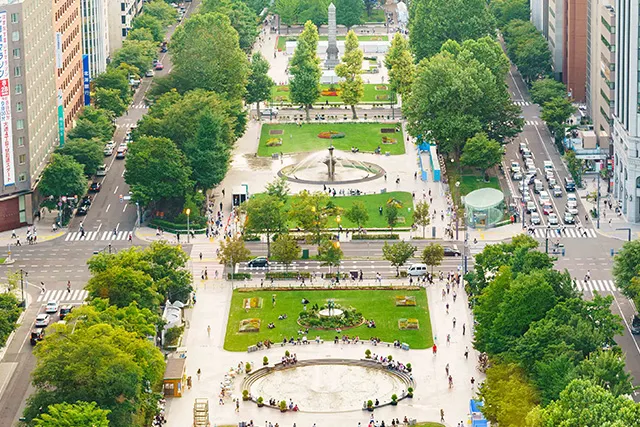
The Sapporo Snow Festival, held annually, is the ultimate symbol of this spirit. The snow and ice sculptures centered in Odori Park are more than just tourist attractions; they are a stage where Sapporo demonstrates its ability to sublimate the raw power of nature into fine art. At night, city lights reflect off the pristine snow, creating a scenery unique to Sapporo where silence and the city’s pulse coexist.
Furthermore, Sapporo serves as the gateway to some of the highest-quality powder snow on the planet. Its location allows for seamless access to world-class ski resorts like Niseko and Rusutsu while staying in the city, highlighting Sapporo’s role as the perfect hub for those venturing into the heart of the wild.
02 Cool Summers, Sapporo Beer, and the Terroir of Gastronomy
Sapporo’s allure is not confined to winter. The low humidity and pleasantly cool climate of midsummer create a sense of time entirely different from other Japanese cities. The fact that the marathon for the Tokyo 2020 Olympic Games (held in 2021) was moved to Sapporo is a testament to the city’s environment, which remains comfortable for active pursuits even in summer.
Sapporo Beer, founded in 1876, is a cultural heritage born of the local water and air. The beer gardens in Odori Park or on rooftops are more than just dining spots; they are social hubs where locals and travelers share the same sky.
Sapporo’s gastronomy is a microcosm of all Hokkaido. From Miso Ramen and Soup Curry to fresh crab and seafood—the food cultures from every corner of the island gather here to be refined and redefined. Sapporo is called the “Culinary Capital of Hokkaido” not just for the quality of its ingredients, but for its power to curate and broadcast the island’s unique identity through food.
03 The Architectural Brilliance of Tadao Ando: Harmony of Art and Nature
The philosophy of Sapporo is clearly reflected in its architecture and art. The “Hill of the Buddha” (Atama Daibutsu) in Makomanai, designed by world-renowned architect Tadao Ando, is a masterpiece. Resting quietly amidst a hill of lavender, it exists as part of the landscape rather than a mere building.
Here, man-made structures do not dominate nature. Instead, they dissolve into it, gently guiding the visitor’s senses inward. The luxury that Sapporo offers is not extravagance, but the “spiritual margin” gained by facing nature in its purest form.
04 The Northern Gateway to Hokkaido’s Vast Interior
Located just 40 minutes from New Chitose Airport, Sapporo is the essential starting point for designing a journey across Hokkaido. The nostalgic canal city of Otaru is an easy day trip, offering a harbor-town atmosphere where time seems to have stood still.
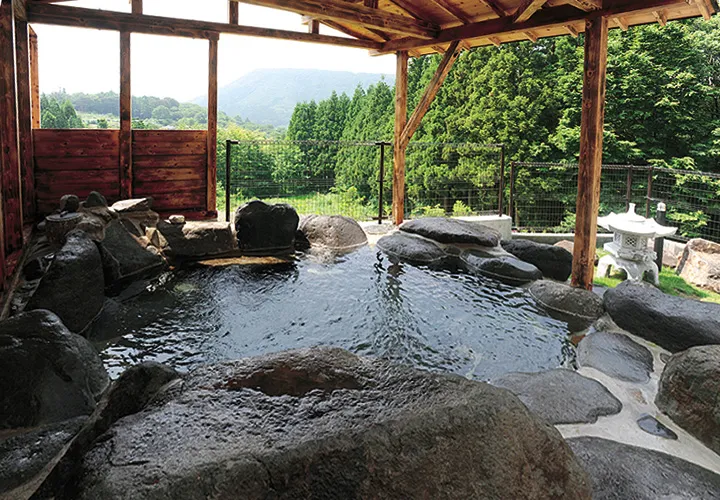
Using Sapporo as your base allows for effortless access to the “depth of Hokkaido”—its ski resorts, hot spring villages (Onsen), and National Parks. This role as a hub connecting the urban and the rural is the true value of Sapporo. By staying here, your travel options expand exponentially.
Closing Thoughts: What the City of Sapporo Teaches Us
Sapporo is not just a destination; it is a city that has pursued how humans can live beautifully and comfortably within extreme natural conditions. Many travelers find a few days insufficient, likely because Sapporo is not a place to be “consumed,” but a place where one touches a deeper philosophy through the act of staying.
Traveler’s Advice: Sapporo’s charms are too vast to be fully experienced in a short stay. Especially in winter, weather conditions may affect transportation, so a flexible schedule is highly recommended. To preserve Hokkaido’s rich natural environment, please practice eco-tourism and exercise caution when exploring areas outside designated zones.
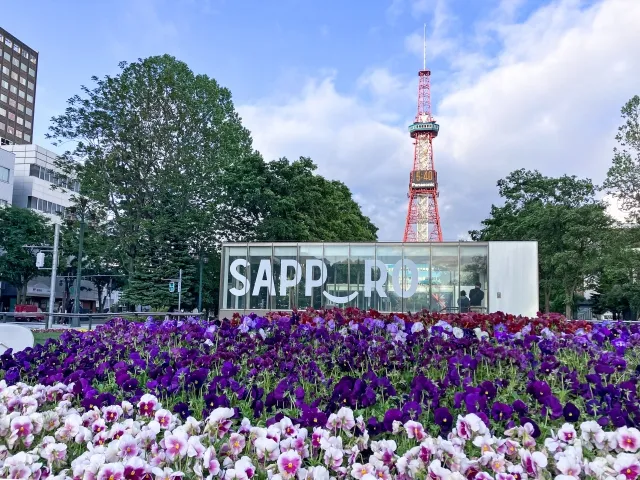
Spot Information Address:Sapporo, Hokkaido (Capital of Hokkaido Prefecture) Access:Approx. 40 minutes from New Chitose Airport via the “Rapid Airport” train, or 20 minutes by car from Sapporo Okadama Airport. Elevation:Approx. 5m (City Center) to over 1,000m (Nearby Mountain Areas) Key Highlights:Odori Park (Snow Festival Site), Moerenuma Park, Hill of the Buddha (Atama Daibutsu), Sapporo Beer Museum