Shinbashi, a pivotal business district in Tokyo, is the undeniable center of Japan’s “Salaryman Culture,” the driving force behind the nation’s rapid economic growth. Adjacent to its towering modern skyscrapers, a network of vibrant public Izakayas (Japanese taverns) spreads out, offering a genuine glimpse into the lively, unpretentious evening routine of Japan’s workforce.
In stark contrast to the upscale sophistication of nearby Yurakuchō and Ginza, Shinbashi is the premier destination for travelers seeking a raw, authentic, and high-energy “deep Tokyo experience.” The area also concentrates attractions that stimulate adult curiosity, from modern art and hobby culture to deep Japanese history.
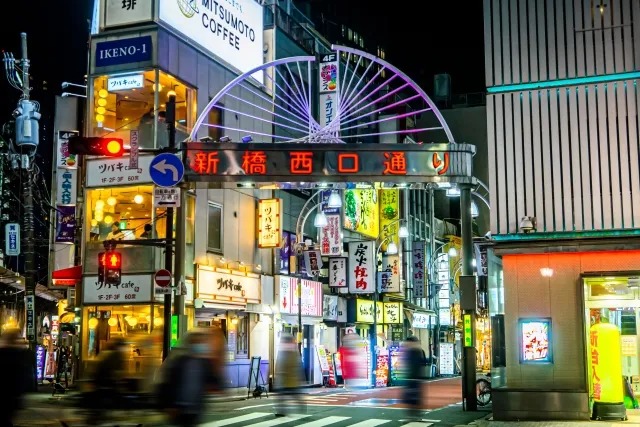
On the west side of Shinbashi Station, narrow lanes are tightly packed with small izakayas and bars, preserving the rich Japanese Public Tavern Culture (Taishū Sakaba).
Information Point
Detail
Location
Around the West Exit of Shinbashi Station, particularly in the alleys and the basement of the old Shinbashi Ekimae Building.
Atmosphere
Unlike the underpasses in Yurakuchō, this area is narrower, more intense, and features a deep local vibe.
Experience Highlight
Enjoy affordable traditional Japanese stews (Nikomi) and Yakitori. Mix with business people in suits for an authentic look at Japanese life after work.
Recommended Dining Spots (Izakaya)
① Stew & Yakiton : Shinbashi Yakiton Yukachan
A bustling izakaya specialized in Motsuyaki (grilled pork skewers) and Nikomi (stewed dishes), beloved by Shinbashi salarymen. Here, you can savor delicious and budget-friendly Japanese working-class cuisine.
Information Point
Detail
Address
4-14-4 Shinbashi, Minato City, Tokyo
Access
1 min walk from Shinbashi Station Karasumoriguchi Exit
This square, located at the Karasumoriguchi Exit of Shinbashi Station, prominently displays a real steam locomotive (SL).
Information Point
Detail
Feature
Shinbashi’s landmark and main meeting spot. At night, it becomes a gathering place for salarymen, often featured in Japanese TV street interviews.
Highlights
Observe the daily bustle of local office workers and the vibrant energy of this commercial center.
🏢 Shinbashi Area: Culture, History, and Entertainment (6 Must-Visit Spots)
Shinbashi offers a concentration of facilities that appeal to adult interests, ranging from cutting-edge culture to profound Japanese history.
1. Hibiya OKUROJI (Hibiya OKUROJI)
Experience sophistication beneath 100-year-old brick arches, a relic of Japan’s industrial past.
Hibiya OKUROJI is a unique shopping and dining area spanning 300 meters beneath the JR overpass connecting Ginza and Shinbashi. This historic railway structure now houses refined shops, unique bars, and restaurants, offering a high-end experience in a compelling historical space.
→ Read the detailed article here (For more information on the history and architecture)
6 min walk from Yurakuchō Station (Hibiyaguchi), 6 min walk from Shinbashi Station (Hibiyaguchi)
Feature
Part of Japan’s first elevated railway structure, utilizing original brick arches.
Tip
Highly recommended for enjoying the nightlife near the Hibiya and Ginza areas.
2. TAMIYA PLAMODEL FACTORY TOKYO
The official hub of “Tamiya,” the globally recognized brand, embodying the Japanese spirit of Monozukuri (craftsmanship).
This is the flagship store for Tamiya, famous worldwide for its models, Mini 4WD, and RC cars. It showcases the full product lineup and features a remarkable life-sized (1/1 scale) “Mini 4WD Aero Avante.” A perfect place to explore the depth of Japanese hobby culture and high-level engineering.
A unique, free experience tracing the evolution of Japanese society and culture through “advertising,” from the Edo period to the present.
This is Japan’s only specialist museum dedicated to advertising. Its collections span from Ukiyo-e advertisements from the isolationist era to modern media, offering a unique perspective on Japan’s shifting values and technology. English-language tours are available upon reservation.
4. Museum of Tea Culture Creation / Oi Ocha Museum
An insightful museum exploring the deep roots of “Tea Culture” in Japan, from traditional ceremonies to the creation of the modern bottled tea.
This complex museum delves into the history of tea, from the traditional tea ceremony to the background of the pioneering bottled beverage, “Oi Ocha.” Visitors can learn about the cultural significance of tea and even participate in authentic tea-making experiences (paid, reservation required).
Address:1-5-3 Higashishinbashi, Minato City, Tokyo Hours:10:00〜17:00 (Last entry 16:30) AdmissionCulture Museum: Adult ¥500 (Oi Ocha Museum is free) Closed:Mondays (Tuesdays if Monday is a holiday), New Year holidays Official Web site:https://www.ochamuseum.jp/en/ Feature:Showcases the history of tea and the secrets behind the popular “Oi Ocha” brand.
5. Caretta Shiodome: Tokyo Bay Views & Entertainment Hub
Caretta Shiodome is a major commercial complex (retail, dining, and culture) that serves as a landmark of the Shiodome skyline. It houses approximately 60 restaurants and shops, along with significant cultural institutions like the ADMT (Advertising Museum Tokyo), the only museum of its kind in Japan, and the Dentsu Shiki Theatre [UMI].
The highlight for visitors is the “Sky View” (free observation space), located on the 46th-floor Sky Restaurant Floor. This spot offers a stunning, unobstructed panoramic view of the Tokyo Bay Area, including Odaiba and Toyosu, the perfect location for breathtaking urban photography.
Furthermore, from November to February each year, Caretta Shiodome is famous for its elaborate, synchronized sound and light winter illuminations, which draw many visitors and are a celebrated annual tradition in the Shiodome district.
A magnificent historical site framed by Tokyo Tower, revealing the power of the Tokugawa Shogunate and known for boosting “Victory Luck.”
Located beneath Tokyo Tower, Zōjōji is the historically crucial family temple of the Tokugawa Shoguns. It is revered for granting “Victory Luck” due to Shogun Ieyasu Tokugawa’s deep respect for the temple’s hidden Buddha statue, Kuro Honzon. The stunning juxtaposition of the traditional temple grounds and the modern Tokyo Tower is one of the city’s most iconic photo opportunities.
Address: 4-7-35 Shibakōen, Minato City, Tokyo Access: The closest stations are on the Toei Mita Line: Onarimon Station (A1 Exit) – 5 min walk / Shiba-kōen Station (A3/A4 Exit) – 6 min walk. Other major stations:
From Shinbashi Station: Approx. 22 min walk. Hours: 9:00–17:00 (Hours may vary during New Year holidays) Admission: Free for general worship Official Website: https://www.zojoji.or.jp/ Feature: Temple associated with Ieyasu Tokugawa. Known for “Victory Luck” and features the Important Cultural Property “Sangedatsumon.”
Toei Asakusa/Oedo Line: Daimon Station (A6 Exit) – 7 min walk. JR Lines: Hamamatsuchō Station (North Exit) – 12 min walk. Tokyo Metro Hibiya Line: Kamiyachō Station (Exit 3) – 15 min walk.
🚄 Shinbashi Station Transportation and Access
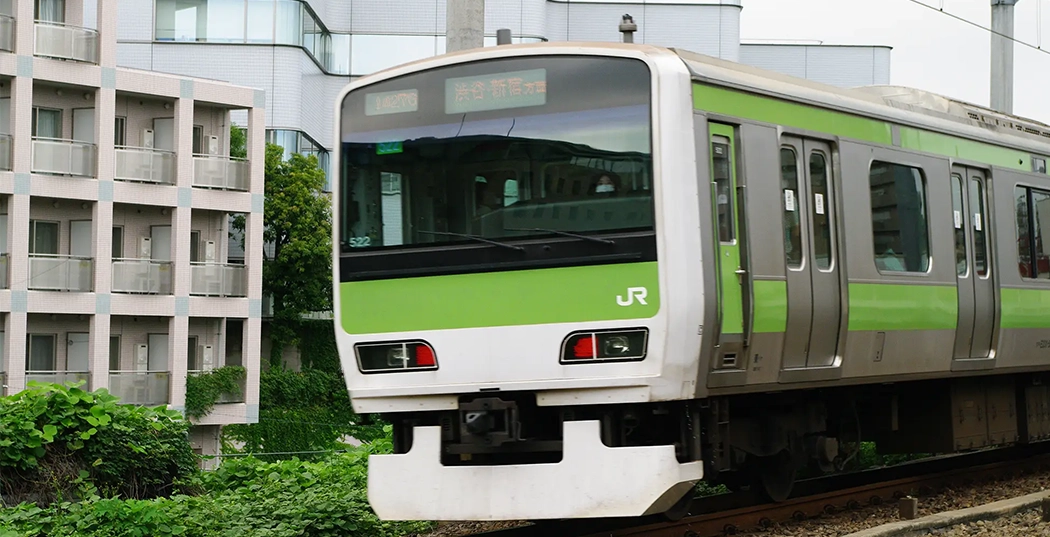
Shinbashi Station is a vital transportation hub, connecting the JR lines, Tokyo Metro, Toei Subway, and the Yurikamome monorail.
Line Name
Key Destinations
JR Yamanote / Keihin-Tohoku Line
Yurakuchō, Tokyo Station, Shinagawa, Ueno Area
JR Tōkaidō / Yokosuka Line
Gateway to Yokohama and Kamakura Area
Tokyo Metro Ginza Line
Ginza, Shibuya Area
Yurikamome Line
Direct access to the Odaiba Area
Travel Time from Major Stations (Estimate)
Yurakuchō Station: Approx. 3 min (Yamanote Line)
Tokyo Station: Approx. 4 min (Yamanote Line)
Ginza Station: Approx. 2 min (Metro Ginza Line)
Odaiba (Daiba Station): Approx. 15 min (Yurikamome)
Conclusion: Shinbashi – Experience Japan’s Daily Life and Deep Culture
Shinbashi is where the raw energy of Japanese business, unpretentious daily life, and stimulating culture intersect.
One moment you can be enjoying the bustling atmosphere of a local izakaya beneath a skyscraper, and the next, you can explore sophisticated shopping under beautiful, historic brick arches. Shinbashi offers the perfect opportunity to feel the genuine pulse of Japanese daily life and explore the deep culture designed for adult travelers.