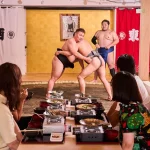
Are you looking for a hands-on sushi making experience in Tokyo?
In Asakusa, one of Tokyo’s most historic districts, you can join a cultural activity that combines Edo-style sushi, a traditional sake barrel ceremony, and a Japanese matcha tea experience — all in one program.
This interactive experience is especially popular with international travelers who want more than sightseeing.
Why This Sushi Making Experience in Asakusa Is Special
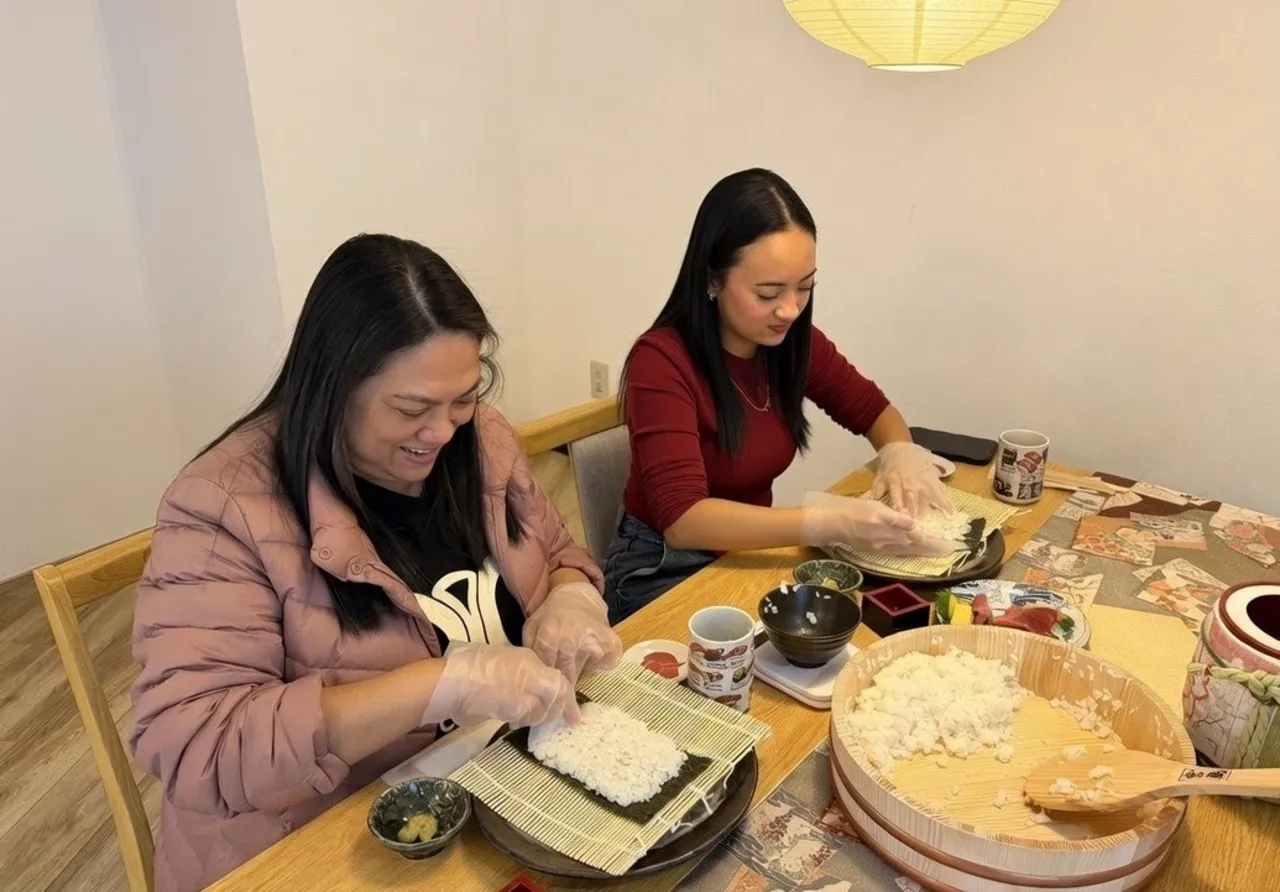
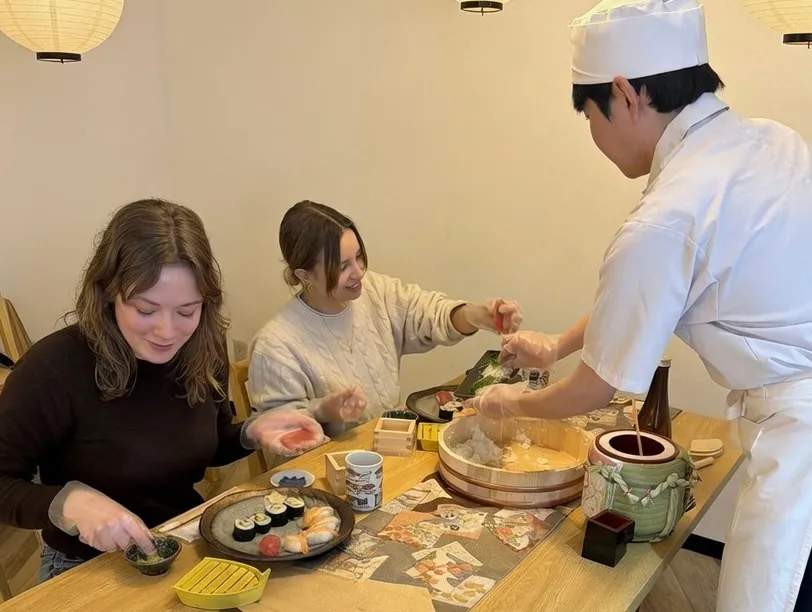
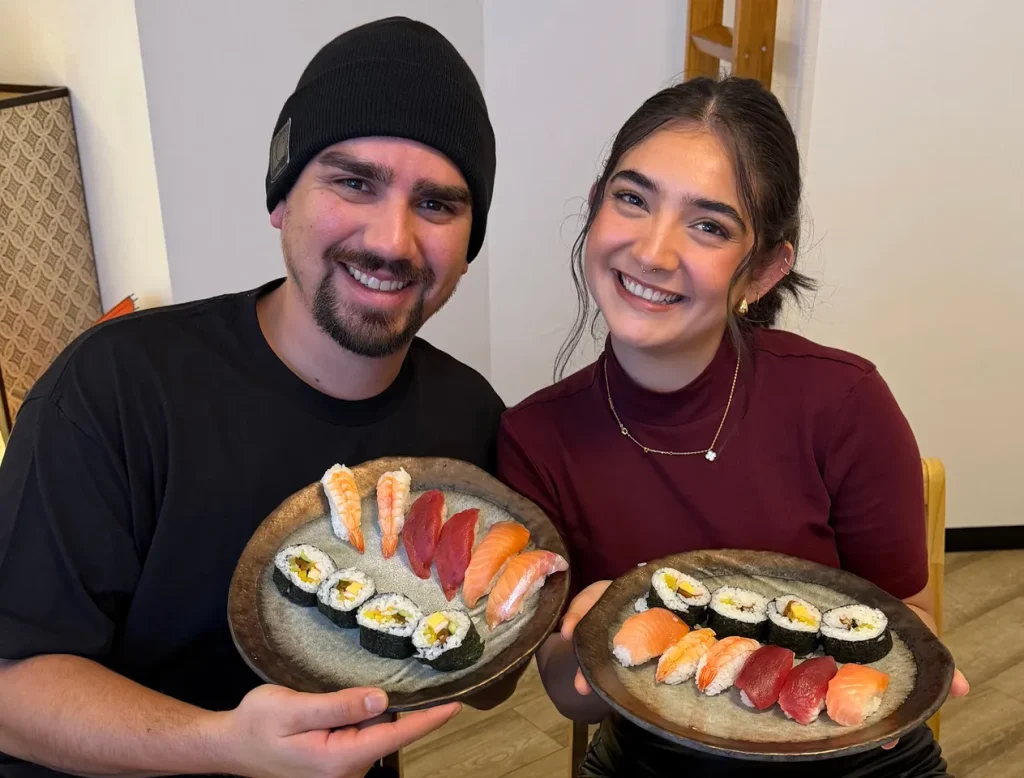
This is not just a sushi meal. Participants actually make sushi themselves.
The instructor first explains the basics of sushi:
How to handle seasoned sushi rice (vinegared rice)
How to place the fish topping (neta)
How to shape nigiri sushi beautifully by hand
Even beginners can follow the steps easily. No cooking experience is required.
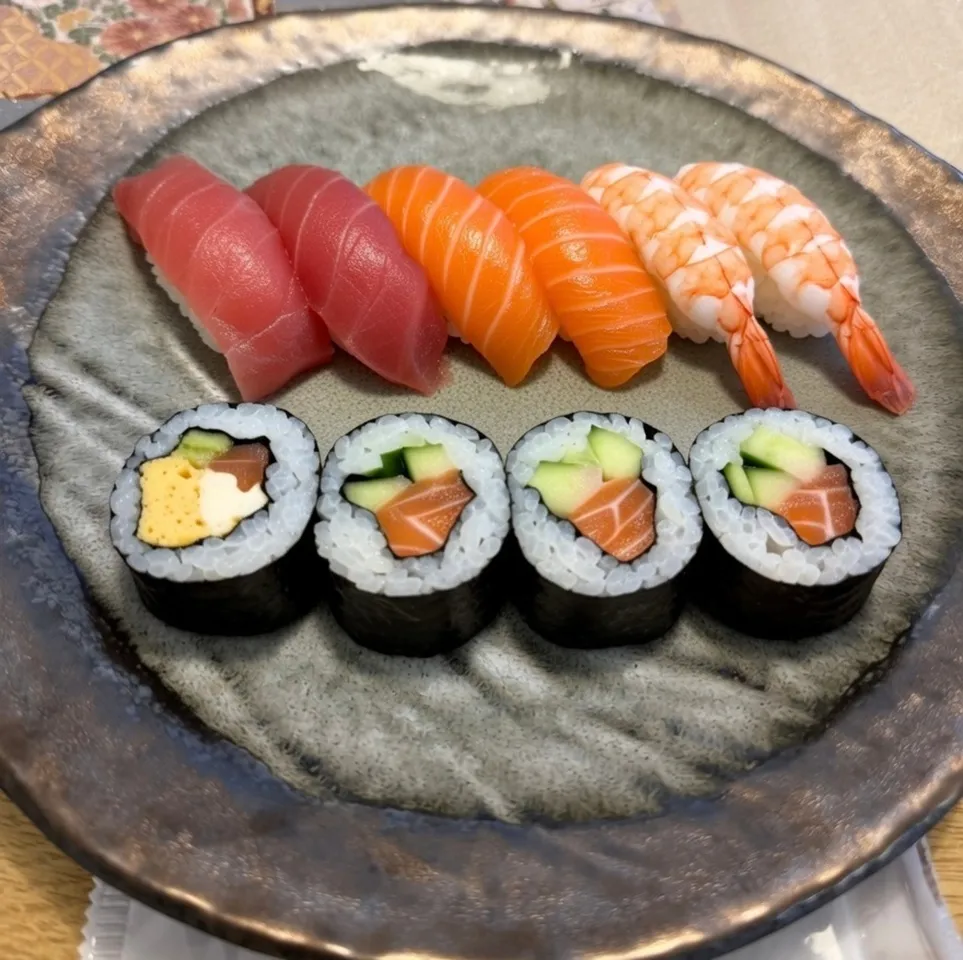
Tasting sushi that you made yourself feels very different from eating at a restaurant. Many travelers describe it as one of the most memorable food experiences in Tokyo.
What Is Edo-Style Nigiri Sushi?
Edo-style nigiri sushi (Edomae sushi) originated in Tokyo during the Edo period (1603–1868).
At that time, refrigeration did not exist. Sushi chefs developed preservation and preparation techniques to keep seafood safe and flavorful.
These techniques include:
Marinating fish in vinegar
Curing with salt
Soaking in soy-based sauce
Simmering certain ingredients
These preparation methods are called “shigoto” (careful craftsmanship).
Edomae sushi is not simply fast food. It represents traditional Tokyo food culture shaped by history and technique.
During the experience, participants also learn about this background, which helps them understand sushi beyond its global image.
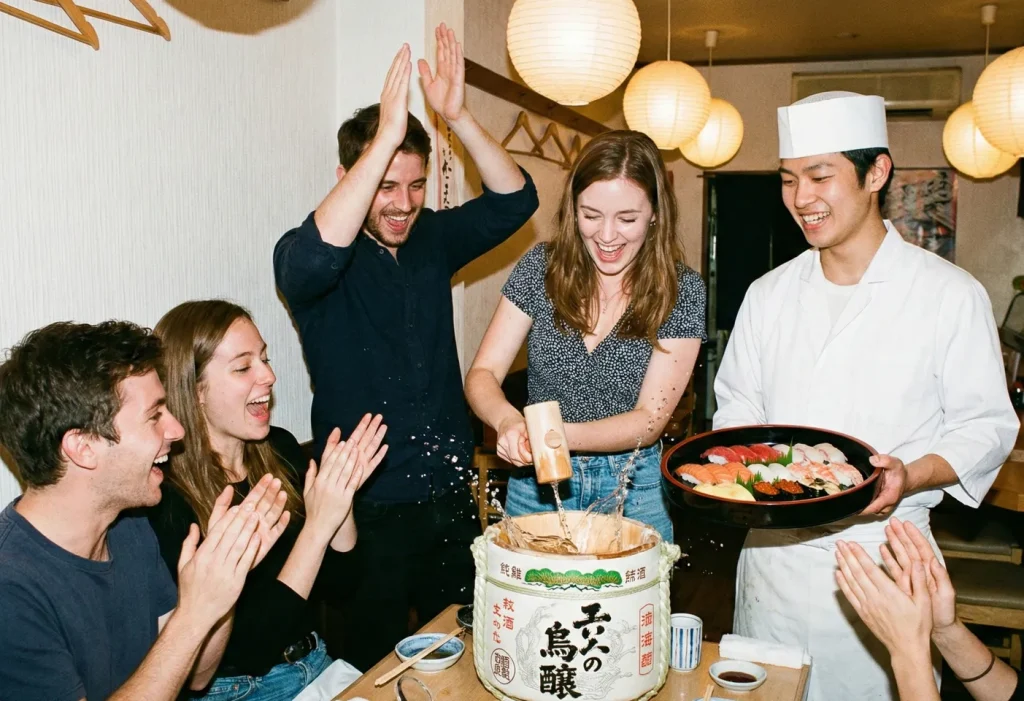
Highlight 1: Kagami Biraki – Traditional Sake Barrel Ceremony
The experience begins with “Kagami Biraki,” a traditional Japanese celebratory ceremony.
Kagami Biraki involves breaking open the lid of a wooden sake barrel using a wooden mallet. Participants usually shout “Yoisho!” together, creating a lively and photogenic moment.
What Does Kagami Biraki Mean?
“Kagami” means mirror, and the round lid of the sake barrel symbolizes harmony and completeness.
Opening the lid represents:
Opening the future
Inviting good fortune
Sharing happiness with everyone present
This ceremony is often performed at weddings and formal celebrations in Japan.
For guests who do not drink alcohol, non-alcoholic options are typically available.
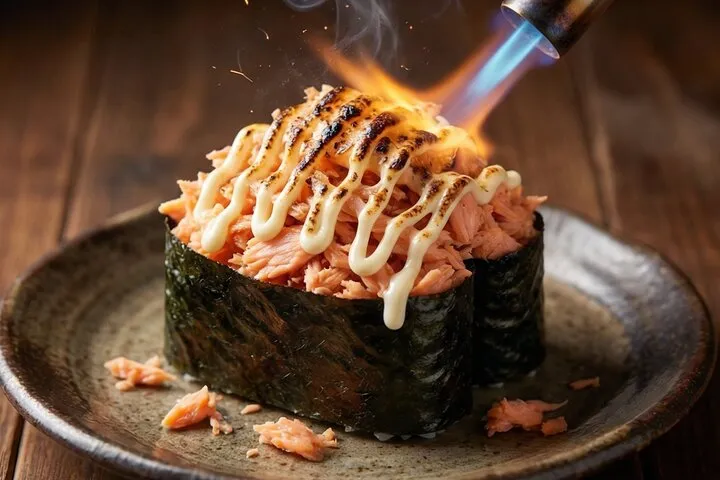
Highlight 2: Aburi Salmon Mayo Gunkan (Seared Salmon Sushi)
In addition to traditional nigiri, participants can also try a modern sushi style.
One popular item is aburi salmon mayo gunkan:
Topped generously with salmon
Lightly seared with heat
Finished with an energetic group cheer
“Gunkan” means “battleship,” referring to the oval rice base wrapped in seaweed to hold soft toppings.
This part of the experience feels interactive and festive, making it ideal for photos and short videos.
Highlight 3: Japanese Matcha Tea Experience
The final part of the program introduces Japanese tea culture.
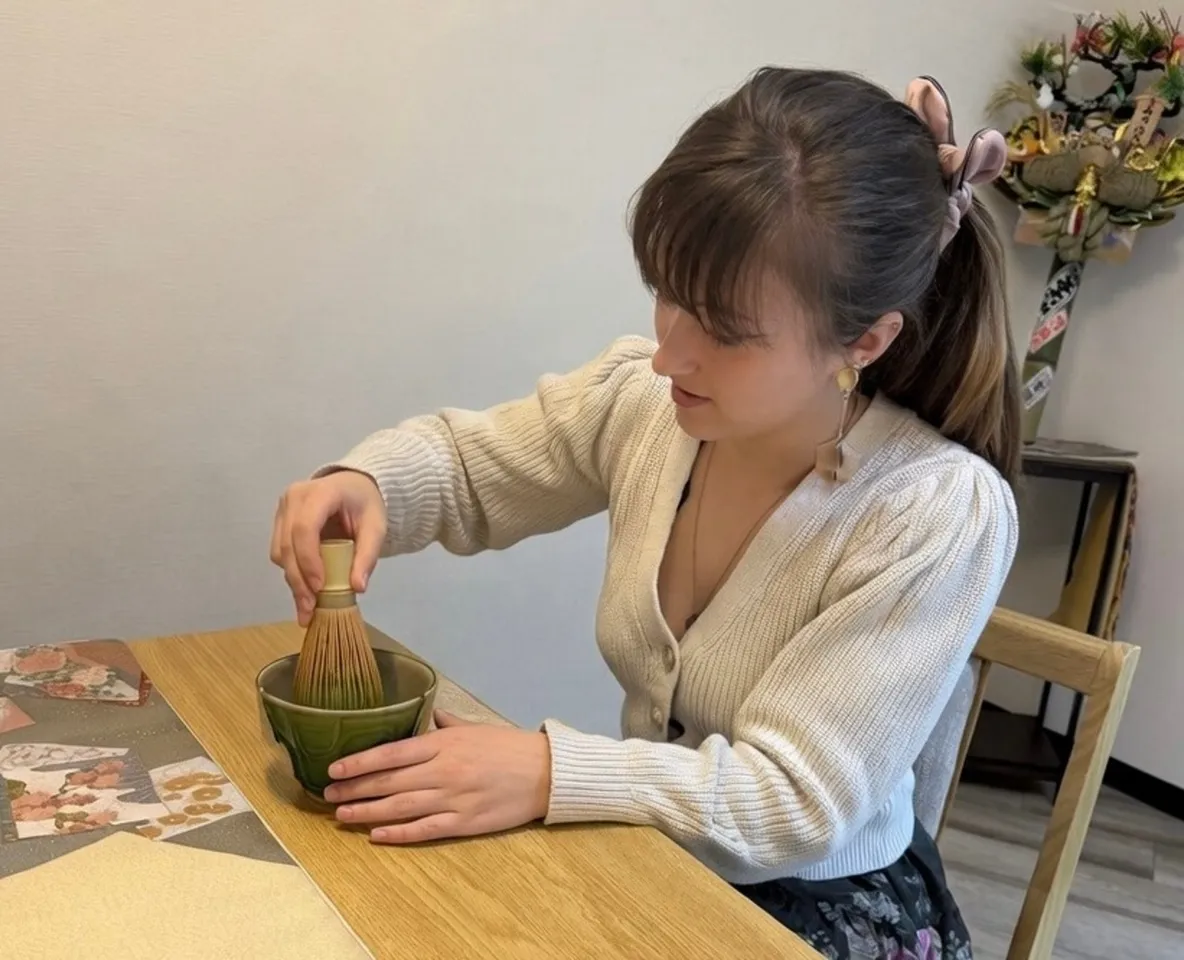
Participants prepare matcha (powdered green tea) themselves.
What Does “Whisking Matcha” Mean?
Matcha preparation involves:
Adding hot water to matcha powder in a tea bowl
Using a bamboo whisk called a “chasen”
Mixing quickly to create fine foam
The goal is not just mixing, but:
Incorporating air
Creating smooth micro-foam
Bringing out aroma and umami flavor
This careful process reflects the Japanese spirit of hospitality, known as “omotenashi” (thoughtful care for guests).
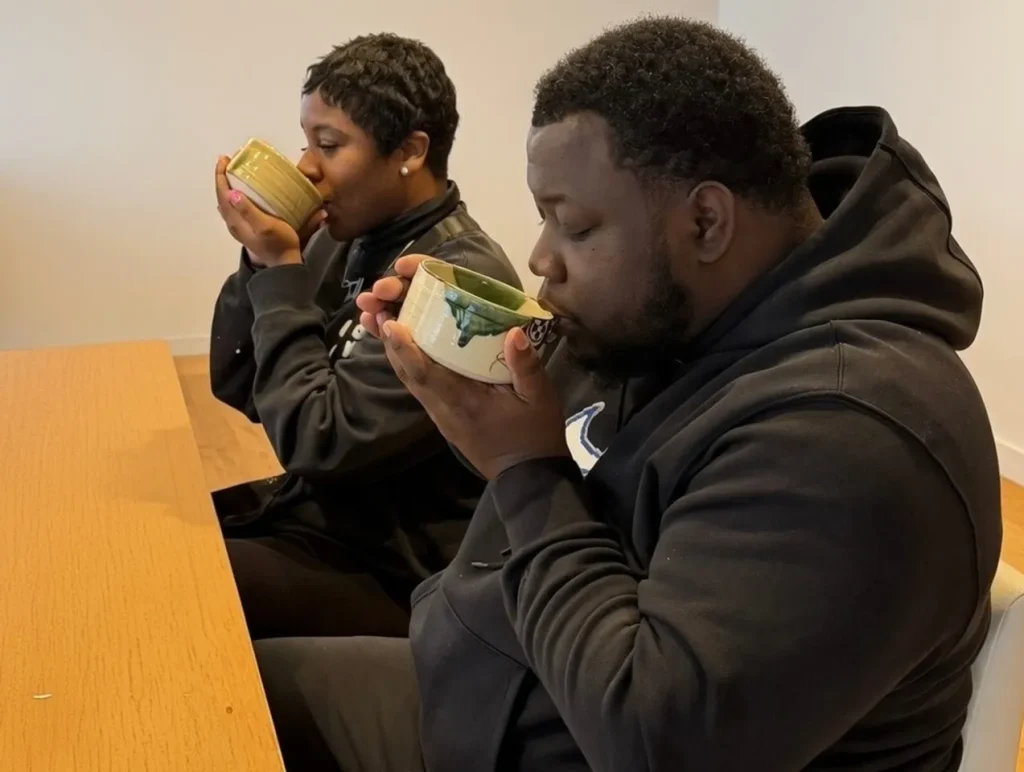
Enjoying matcha with sushi you made yourself often becomes a calm and meaningful moment during the trip.
If you have allergies or do not eat raw fish, you can usually inform the organizers in advance.
Many experiences try to accommodate dietary needs when possible, which makes it suitable for international travelers.
Easy to Combine with Asakusa Sightseeing
Because the experience takes place in Asakusa, it is easy to combine with popular attractions such as:
Senso-ji Temple (Tokyo’s oldest Buddhist temple)
Nakamise Shopping Street
A walk along the Sumida River
For travelers who want a cultural activity in Tokyo beyond typical sightseeing, this sushi making experience offers both food and tradition in one location.
Asakusa is also a great area to explore local food after your sushi experience. If you’d like to enjoy yakitori, izakaya dishes, or casual Japanese dining at night, check out our guide to the best night restaurants in Asakusa. 👉 Where to Enjoy Yakitori & Izakaya Dishes in Asakusa After Dark