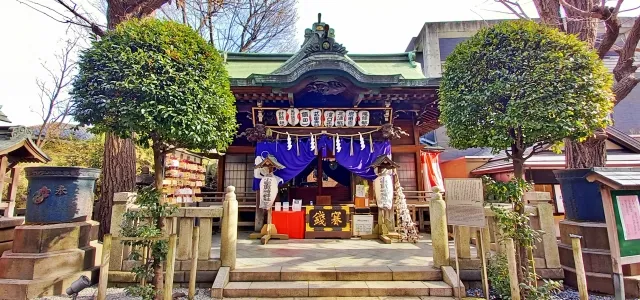
Nestled in the historic downtown district of Iriya, Ono Terusaki Shrine is a spiritual landmark dedicated to Ono no Takamura, a genius of the Heian period whose talents were said to “reach the level of the gods.” Renowned as a sanctuary for those seeking excellence in the arts, academia, and professional endeavors, this shrine is steeped in legend. Having guided even Japan’s most iconic actors to stardom, it remains a powerful vortex of energy for modern dreamers seeking to manifest true success.
Contents
- 📜 The Origins of Ono Terusaki Shrine: Where Heian Brilliance Meets Divine Wisdom
- 🗻 “Shitaya Sakamoto Fuji”: A National Important Cultural Property Representing Sacred Mt. Fuji
- 🦊 The Guardians of Connection: Orihime & Inari Shrine
- 🐵 Koshinzuka: Part of the Three Great Koshins of Japan
- 🎬 A Miraculous Legend: “Tora-san” and the Power of Vows
- 🧧 Sacred Amulets and Talismans
- 📍 Access and Visitor Information
📜 The Origins of Ono Terusaki Shrine: Where Heian Brilliance Meets Divine Wisdom
The history of Ono Terusaki Shrine dates back to 852 AD (the second year of the Ninju era). It was established in Ueno Terusaki, where the prominent intellectual Ono no Takamura resided during his service in eastern Japan. Following the construction of the grand Kaneiji Temple, the shrine was relocated to its current serene location.
The primary deity, Ono no Takamura, was an actual historical figure—a polymath of the early Heian period. He was an elite poet selected for the Ogura Hyakunin Isshu (One Hundred Poets, One Poem Each) and was hailed as the “Po Chü-i of Japan” for his peerless mastery of Chinese poetry. Furthermore, he was a grandmaster of painting, a scholar of law, and a high-ranking state councilor. In the late Edo period, Sugawara no Michizane—revered as the God of Learning—was also enshrined here from Eko-in Temple. Today, the sanctuary hosts 15 different deities, including those in the subordinate shrines, making it a profound “reservoir of intellect and inspiration.”
🗻 “Shitaya Sakamoto Fuji”: A National Important Cultural Property Representing Sacred Mt. Fuji
Within the grounds lies a “Fujizuka”—a sacred miniature mountain built in 1782 using actual lava rocks transported from Mt. Fuji. In an era when making the arduous pilgrimage to the actual peak was impossible for many, this 15-meter wide, 6-meter high mountain was created to bring the divine blessings of Mt. Fuji to the heart of Edo (Tokyo).
Marked from the first to the tenth station, the Fujizuka preserves remnants of “Shinbutsu-shugo” (the syncretism of Shinto and Buddhism), featuring stone monuments inscribed with Buddhist prayers and a statue of En no Gyoja, the founder of Shugendo mountain asceticism. Designated as a National Important Tangible Folk Cultural Property, this majestic site is opened to the public for only two days a year—June 30th and July 1st—coinciding with the ritual purification and the official opening of the Mt. Fuji climbing season. It continues to attract those seeking the “Fuji” divinity, which signifies “Unparalleled” and “Inexhaustible.”
🦊 The Guardians of Connection: Orihime & Inari Shrine
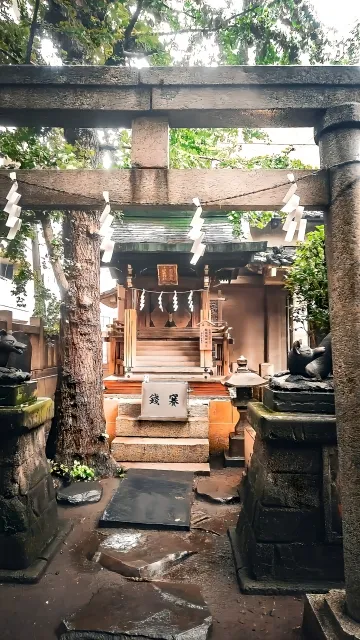
The Inari shrine within the grounds was originally known as “Chozaemon Inari.” It predates the relocation of the main shrine and has been revered for centuries as the local guardian deity of the Shitaya Sakamoto area. Following World War II, the Orihime Shrine—dedicated to the deity of matchmaking—was enshrined here as well. Today, it is deeply worshipped as a “Deity of Connection,” binding together not only romantic fates but also auspicious professional partnerships and career opportunities.
The sanctuary is also protected by over 20 divine messengers (Shinshi), including statues of guardian dogs, monkeys, foxes, wolves, lions, phoenixes, dragons, and cranes. These carvings, dating from the Edo to Meiji periods, display a rich variety of artistic expressions and craftsmanship.
🐵 Koshinzuka: Part of the Three Great Koshins of Japan
This Koshinzuka (mound) was relocated from the “Kibo-in Iriya Koshindo,” which was once ranked alongside Osaka’s Shitennoji and Kyoto’s Kongoji as one of the “Three Great Koshins of Japan.” It enshrines Sarutahiko no Mikoto, the deity who guides the way. Among the eleven stone towers, the oldest was carved in 1647. One notable Shomen Kongo tower features the “Three Wise Monkeys” (See No Evil, Hear No Evil, Speak No Evil) on its pedestal, said to be a replica of a sacred image at Osaka’s Shitennoji attributed to the legendary Prince Shotoku. It remains a powerful site for those seeking direction and a moral compass in their lives.
🎬 A Miraculous Legend: “Tora-san” and the Power of Vows
No story of Ono Terusaki Shrine is more famous than that of the legendary actor Kiyoshi Atsumi. During his early, struggling years, Atsumi visited the shrine and made a desperate vow: “I will give up smoking for the rest of my life; in exchange, please grant me work.” Immediately following this vow, he was cast as the lead role of Kuruma Torajiro in the film Otoko wa Tsurai yo (It’s Tough Being a Man), a role that would make him a national icon.
This tale of “sacrificing a habit to secure success” serves as a testament to the divine favor granted to those with unwavering resolve. The shrine’s reputation for career and artistic success is immense, and it is well-known that the amulet Atsumi carried throughout his life was from this very sanctuary.
🧧 Sacred Amulets and Talismans
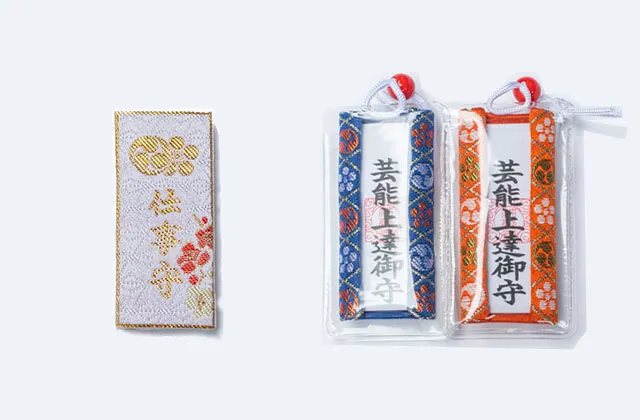
The shrine offers a variety of sophisticated amulets, including the “Shigoto-mori” (Career Success Amulet) designed to foster professional fulfillment. Other talismans are available for academic achievement, the arts, and romantic connections. For those seeking to bloom their innate talents and complete multifaceted projects with excellence, these amulets serve as a profound bond with the divine.
Blessing Hours 9:00 AM – 4:00 PM
📍 Access and Visitor Information
Address 2-13-14 Shitaya, Taito-ku, Tokyo 110-0004
Access by Public Transport
・Tokyo Metro Hibiya Line “Iriya Station”: A 3-minute walk from Exit 4.
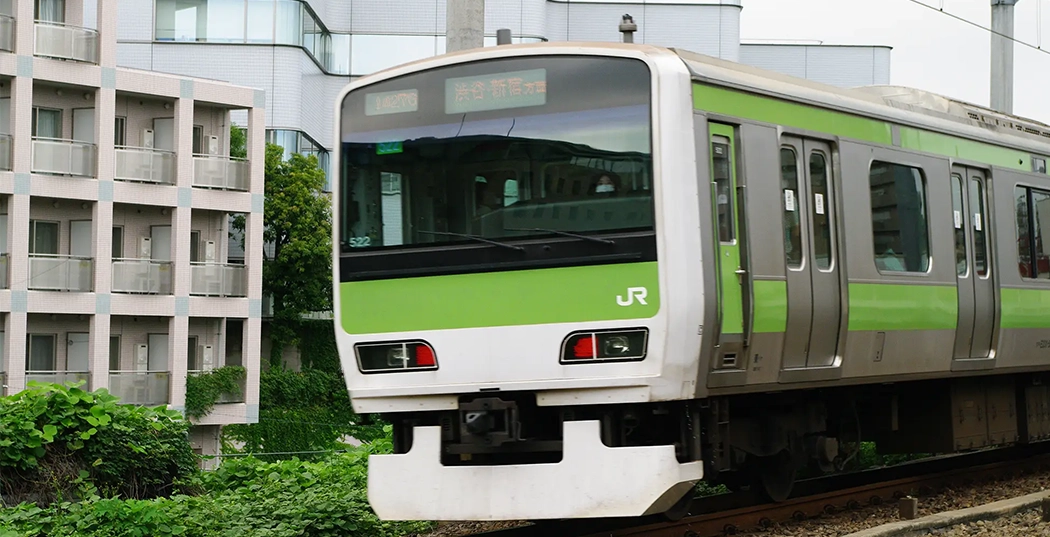
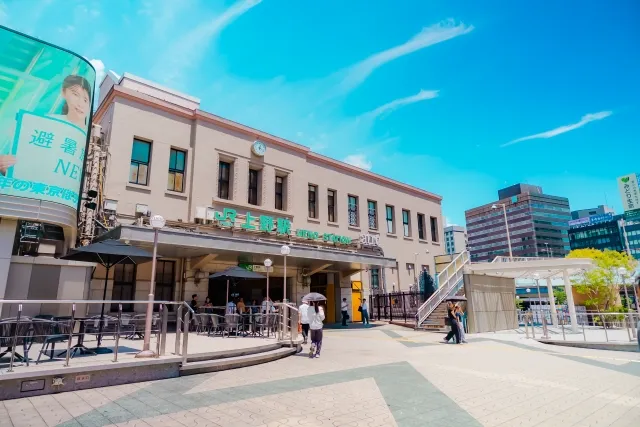
・JR Yamanote Line “Uguisudani Station”: A 7-minute walk from the South Exit.
The information and photos provided may not always reflect the most current status. Please be sure to check for the latest updates before your visit.