For first-time visitors to Japan, a private day tour that lets you explore Tokyo’s highlights at your own pace — with an English-speaking driver and full customization — is a practical way to start your trip without the stress of public transport or crowds.
This private chauffeur tour picks you up at your hotel and takes you to the places you choose. The driver explains the history, culture, and key points of each spot during the drive. You can select from suggested routes or work with the driver to create your own based on your interests. This article summarizes the most popular spots for this tour, along with practical information to help plan your first day in Tokyo (as of early 2026).
Key Features: Fully private. Route and time at each stop are flexible. The driver provides detailed information about each location’s history, culture, highlights, and tips during transfers.
Recommended Sightseeing Spots & Highlights
Senso-ji Temple
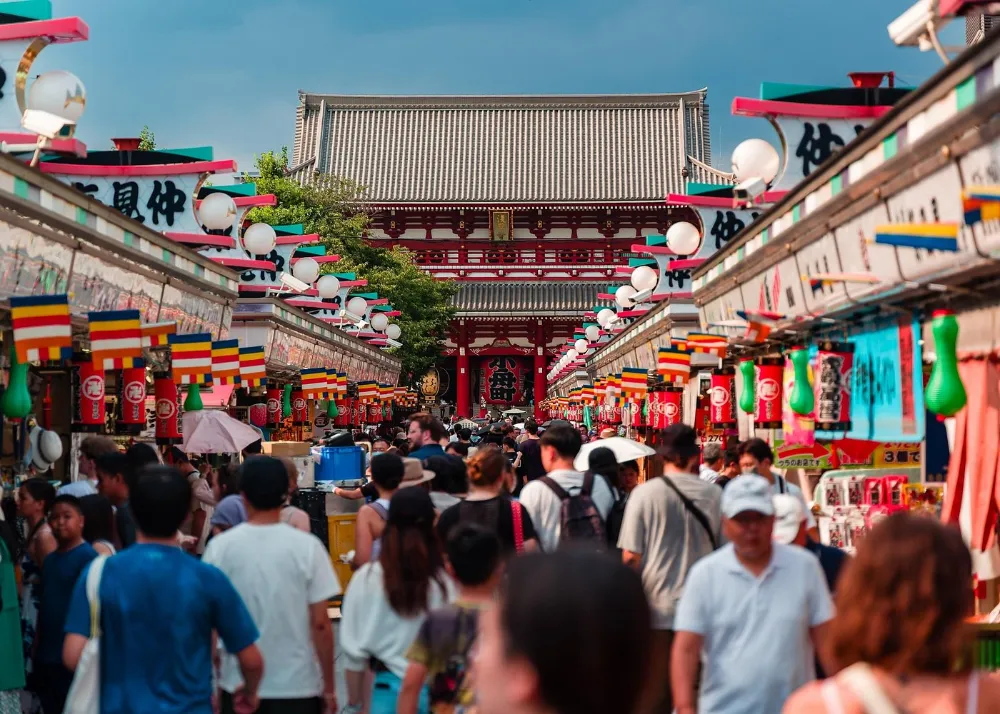
Senso-ji TempleSenso-ji-Temple nakamise street
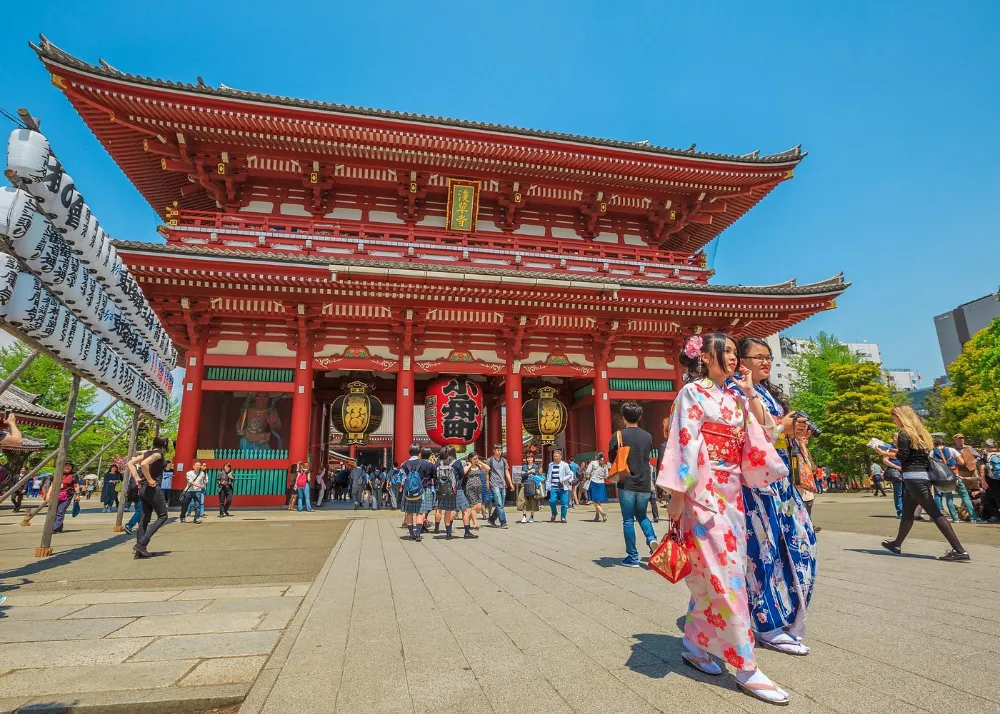
One of Tokyo’s oldest Buddhist temples, founded in 645 (some sources say 628). Main entrance is marked by the large red lantern at Kaminarimon Gate, along with the five-story pagoda and main hall. At night, the temple is lit up, creating a different atmosphere from daytime. The grounds are a place where local people still come daily to pray, offering a quiet and sacred feel. Nakamise-dori, the street leading to the temple, is Japan’s oldest shopping street and enjoyable just to walk through. Traditional Japanese sweets are well-known here, but recent additions include matcha crepes, fluffy pancakes, fresh fruit parfaits, and rich matcha gelato. Activities in the area include rickshaw rides, kimono rental, Edo kiriko glass cutting, food sample making, chusen tenugui dyeing, and maneki-neko cat figurine workshops. Shops nearby sell traditional crafts. Close by is Kappabashi Kitchen Town, located between Asakusa and Ueno. This 800 m stretch is Japan’s largest wholesale district for kitchenware, with 160–170 specialized stores.
Tourist Tips
Visiting early in the morning (right after opening) avoids crowds and gives soft light for photos of Kaminarimon Gate.
Morning is best for food stalls and eating while walking (afternoon gets crowded with tourists).
Weekends, holidays, and cherry blossom season are extremely busy; weekdays from 8:00–9:00 AM are recommended.
Signs in the temple and Nakamise have limited English, so use Google Translate app.
Most shops in Nakamise do not accept credit cards; carry cash (especially small change).
When offering coins at the main hall, do so quietly with hands together. Photos are allowed, but avoid photographing people who are praying.
Tokyo Skytree
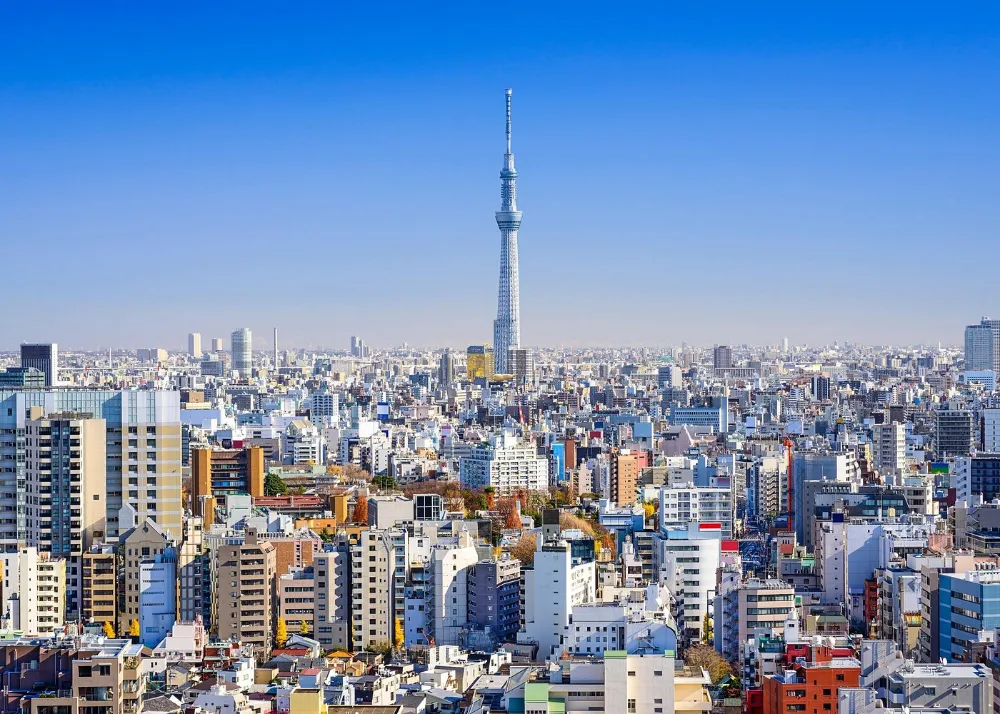
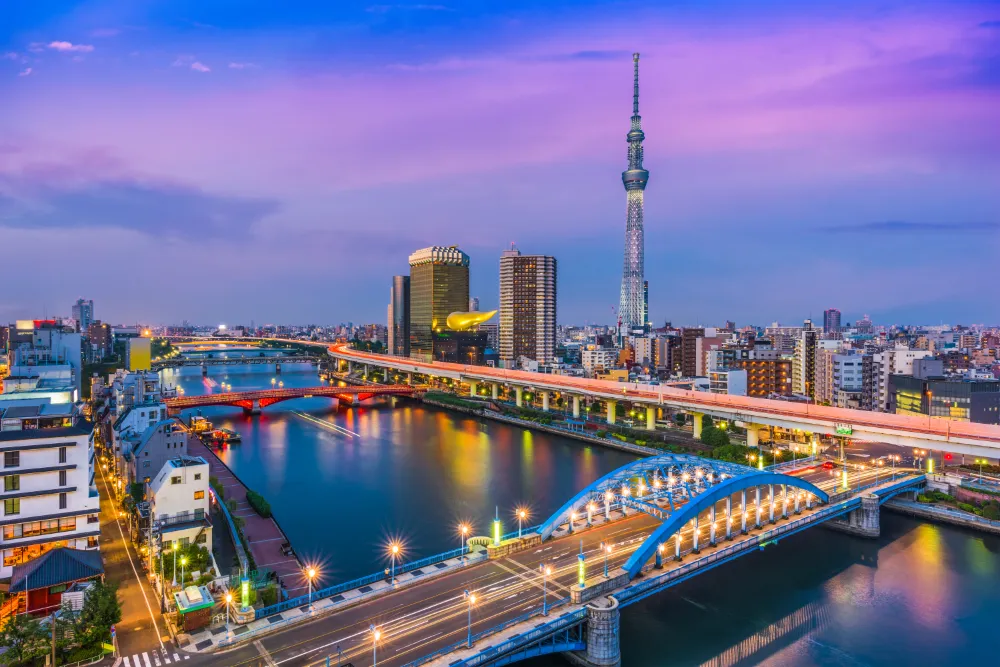
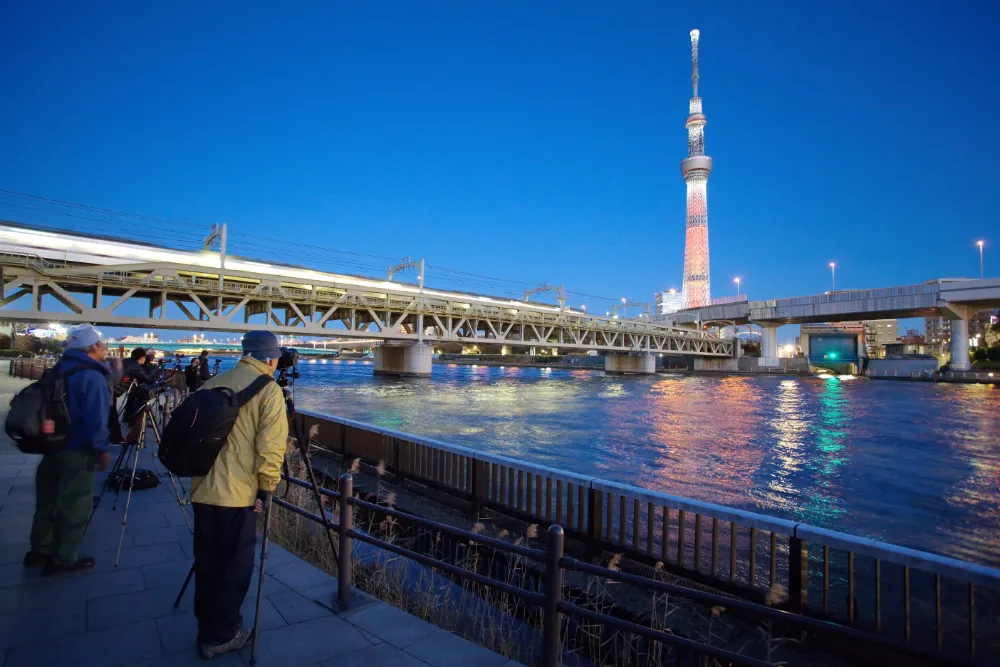
Tokyo-Skytree daytimeTokyo-Skytree evening timeTokyo-Skytree night time
Located in Tokyo’s eastern downtown area, this tower stands at 634 m tall. Nearest stations: Tokyo Skytree Station (Tobu Skytree Line) or Oshiage Station (Tobu Skytree Line, Toei Asakusa Line, Keisei Oshiage Line, Tokyo Metro Hanzomon Line). Observation decks are at 350 m (Tembo Deck) and 450 m (Tembo Corridor). For lunch, SKYTREE CAFE at 340 m offers meals with panoramic views. Attached Tokyo Solamachi has over 300 shops and creates a lively new downtown atmosphere. Floors 5–6 house Sumida Aquarium, allowing you to move from sky views to underwater scenes in one visit. Konica Minolta Planetarium “Tenku” is also on site for stargazing shows.
Tourist Tips
Tickets for late afternoon to evening are popular (night views are stunning).
Advance booking is recommended (day-of tickets often sell out).
Tembo Deck is busiest in the afternoon to evening; morning is quieter.
Signs and shops at the observatory have good English support; staff speak English.
Credit cards are accepted almost everywhere.
Photography is allowed, but tripods and selfie sticks are often prohibited — check on site.
Sumida Aquarium offers English audio guides. Planetarium shows have English subtitles on certain dates.
Direct connection from Oshiage Station means no need to go outside on rainy days.
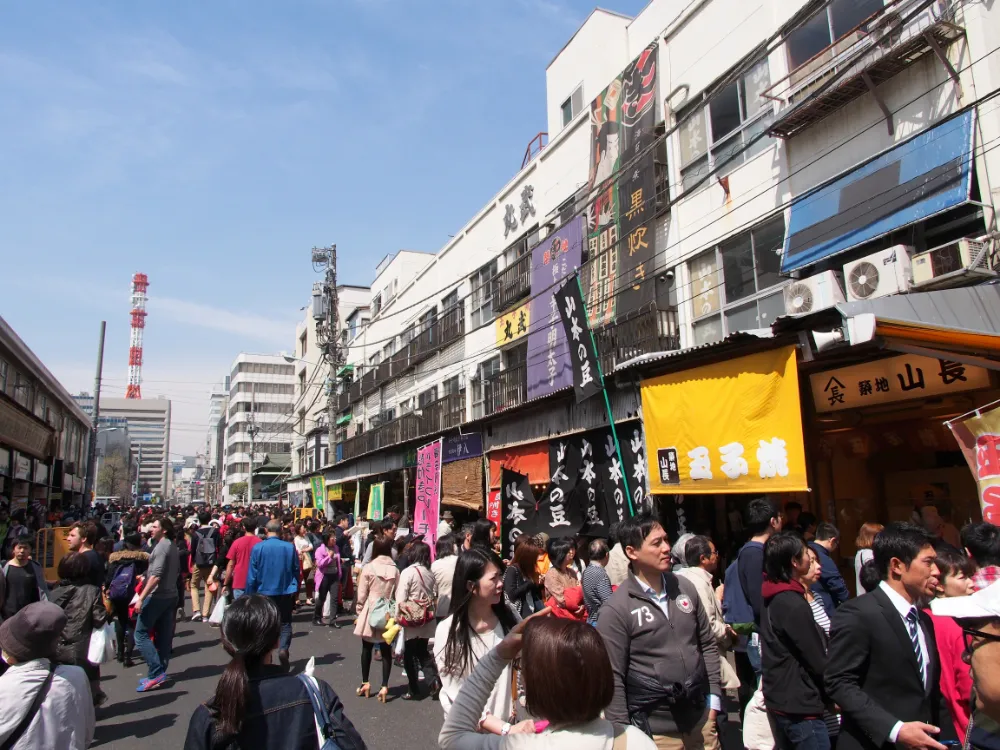
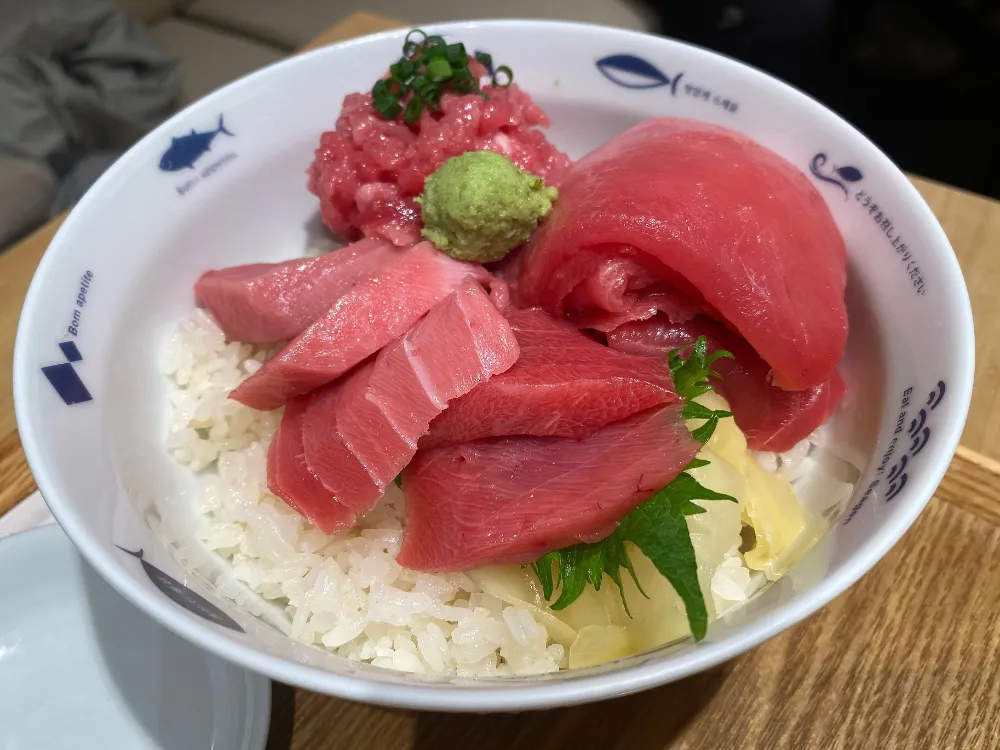
The inner market, once one of the world’s largest, moved to Toyosu in 2018, but the outer market still keeps its lively energy. Close to Tokyo Bay and within walking distance from Ginza, it’s an easy spot for travelers to visit. Many restaurants serve fresh sushi breakfast, and there are stalls for seafood, kitchen tools, tableware, and unique souvenirs. If you wake up early for breakfast, fresh sushi unique to the market is highly recommended. Beyond seafood, the streets are lined with cafes and diners serving hearty breakfast portions.
Tourist Tips
Arriving right after opening (around 5–6 AM) gives the freshest items and fewer crowds.
Shopping is best in the morning (afternoon gets busier with tourists).
Most shops are cash-only; prepare change in advance.
English is limited among vendors, so use Google Translate or point-and-order.
Sushi stands require lining up. Eat standing still rather than walking while eating.
Toilets are limited inside the market; use convenience stores or stations beforehand.
Meiji Jingu Shrine
One of Tokyo’s top power spots. Built in 1920, it enshrines Emperor Meiji and Empress Shoken. Popular benefits include marital harmony, love success, and matchmaking, but also home safety, business prosperity, and good relationships. The vast grounds feature the main shrine, an Important Cultural Property treasure hall, and the Meiji Jingu Museum displaying items connected to the enshrined deities. Known as an urban oasis, the beautiful seasonal nature is one of its major attractions. The entire area creates a sacred space that lets you forget the city center and spend time with a cleansed mind.
10 Must-Visit Highlights & Power Spots at Meiji Jingu Shrine
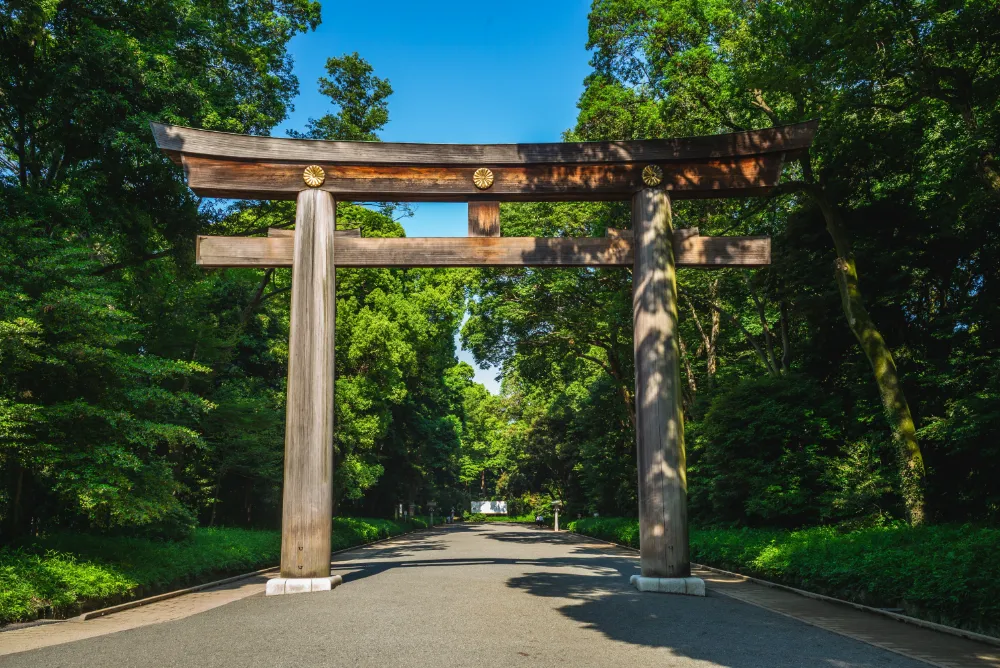
Large Torii Gate (Second Torii)
Meiji Jingu Large Torii Gate
The wooden torii gate standing at the meeting point of the South and North approaches. Made from Taiwanese cypress over 1,500 years old, it measures 12 m high, 17 m wide at the top beam, and 1.2 m between pillars — the largest wooden Myojin torii in Japan. Its heavy yet graceful appearance strongly conveys the dignity of the sacred entrance and quietly guides visitors toward prayer. The center is the seichu (path of the gods), so walk along the sides of the approach and torii.
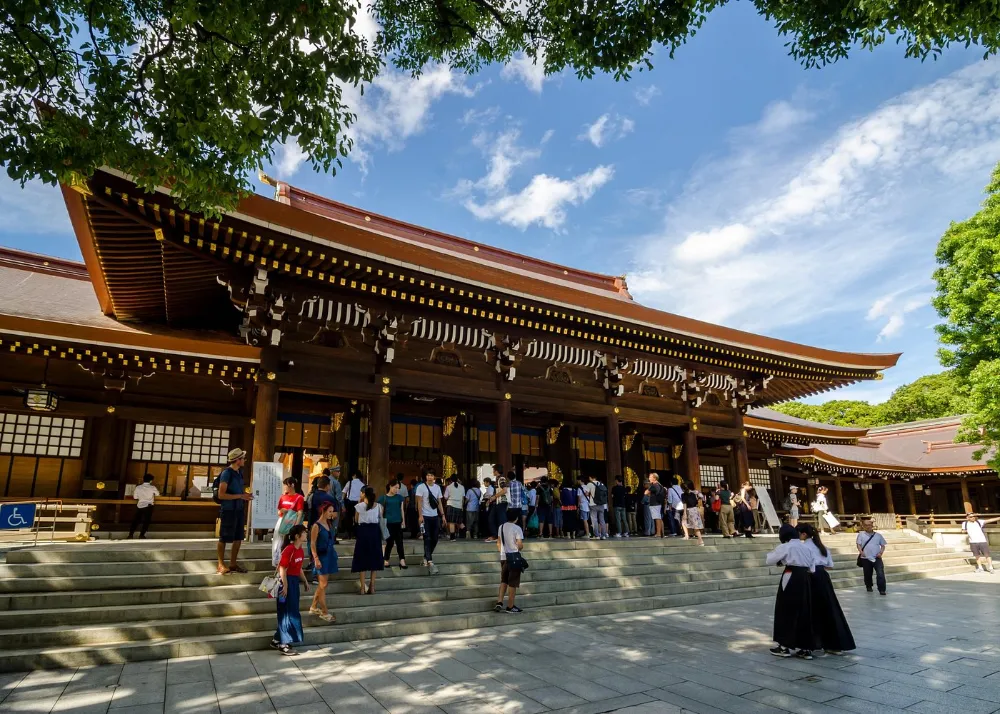
Main Hall
Meiji-Jingu-Shrine-Main-Hall
Designated an Important Cultural Property, the main hall follows the traditional three-bay nagare-zukuri style common for shrine main buildings. The cypress-bark roof and zelkova wood harmonize beautifully, while the detailed carvings and powerful curves carry the dignity typical of shrine architecture. The wide prayer space around it allows visitors to calm their minds and pray slowly in a quiet atmosphere.
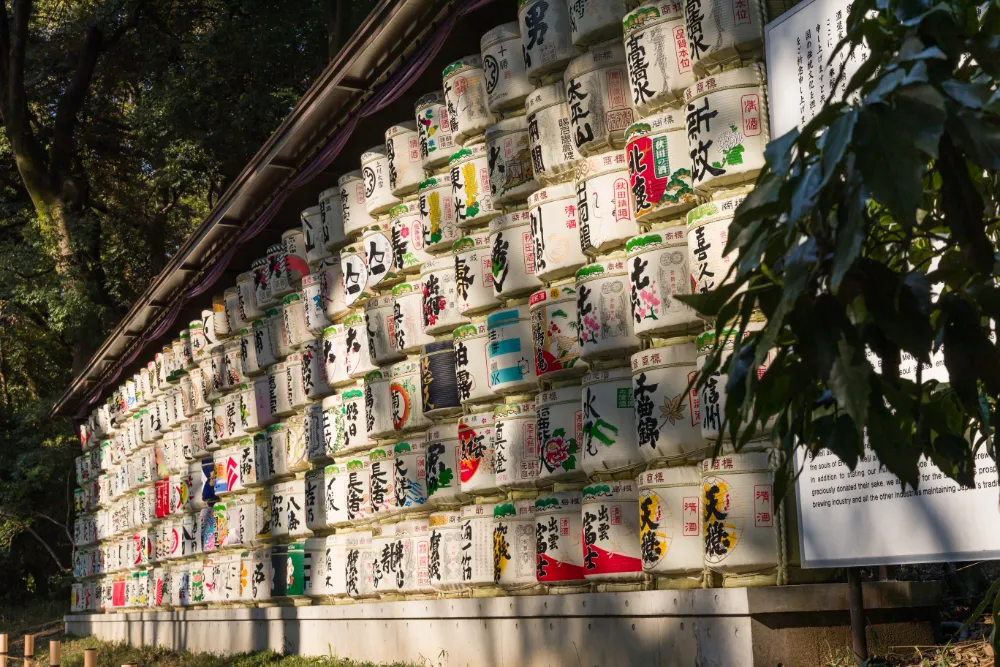
Dedicated Sake Barrels
Dedicated-Sake-Barrels
Along the South approach, a large number of sake barrels donated by breweries across Japan are stacked. These are offered to the gods with gratitude and prayers. Emperor Meiji promoted Western culture and especially liked wine, so French wine barrels donated from France are lined up on the opposite side. This unique blend of Japanese and Western elements makes for an interesting sight.
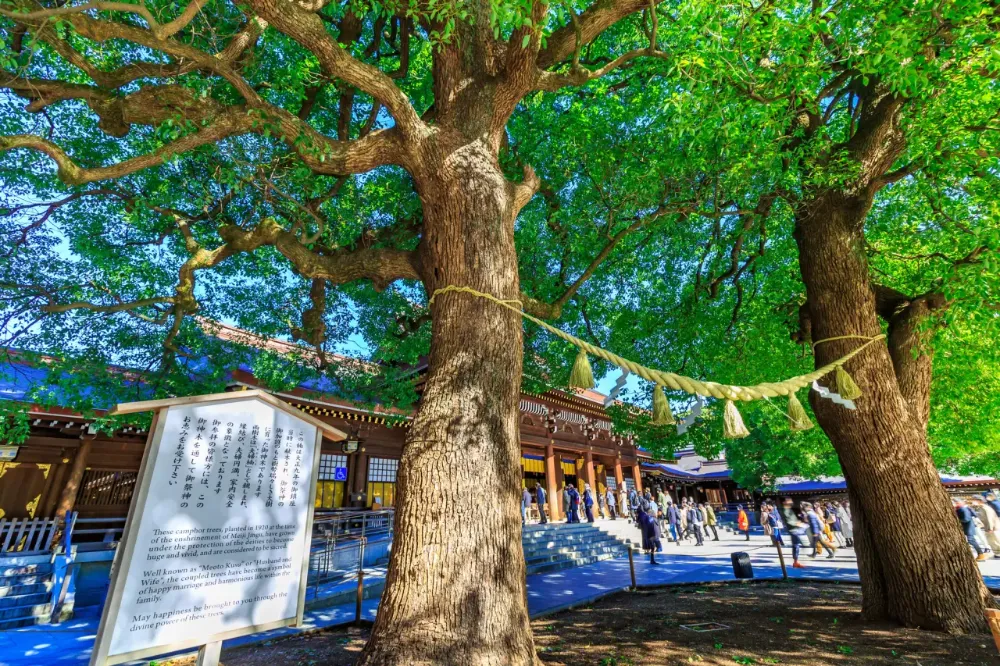
Married Couple Camphor Trees (Meoto Kusunoki)
Married Couple Camphor Trees
The large camphor trees standing firmly in front of the prayer hall symbolize marital harmony and happy couples. Planted in 1920 during the shrine’s founding, the two trees grew side by side under the protection of the enshrined deities, giving them their name. Now over 100 years old and about 17 m tall, their dignified presence and the way their branches spread as if embracing each other give a warm impression. Many visitors pray in front of these trees. They are also a well-known power spot for love success and family safety. As sacred trees, please do not touch them with your hands.
Meiji Jingu Gyoen Garden
Meiji Jingu Gyoen Garden
The circular Japanese garden on the south side of the main hall. The vast 83,000 m² grounds offer seasonal scenery. Highlights include the iris field, Kakun-tei pavilion, and South Pond. A 500 JPY maintenance donation is required.
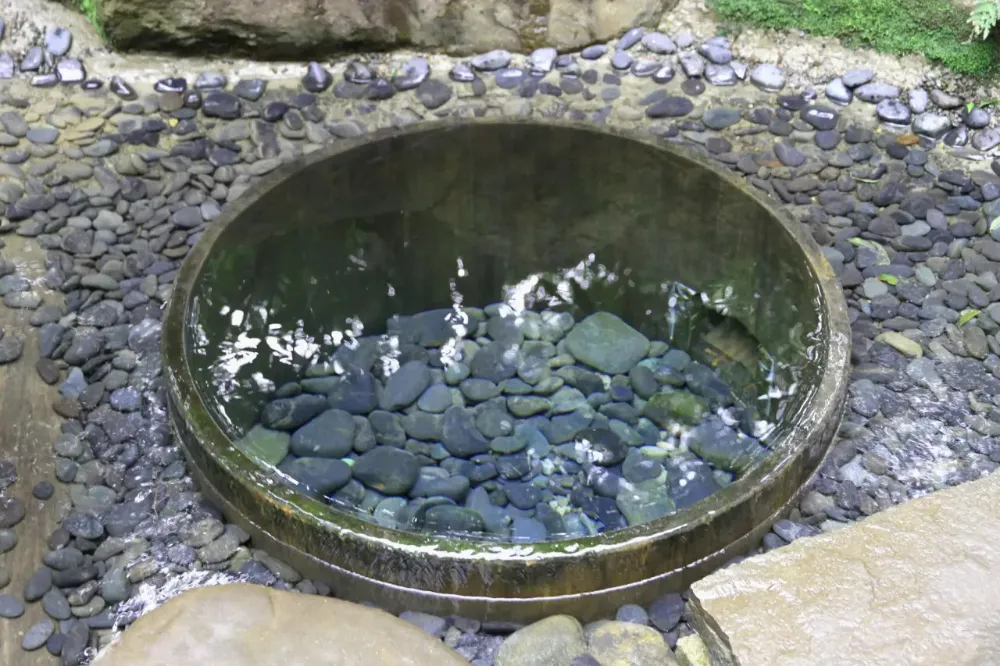
Kiyomasa Well
Kiyomasa Well
The famous spring water in the garden, said to have been dug by Kato Kiyomasa. Pure water flows at an average of 60 L per minute year-round, making it a popular power spot for improving financial luck. Many people set photos of the well as their phone wallpaper.
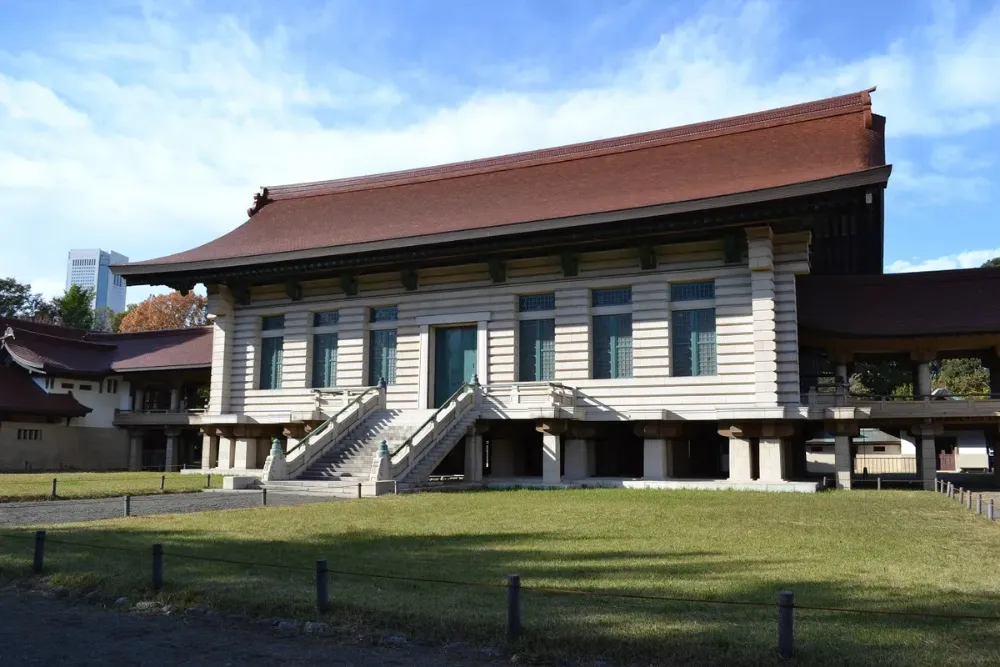
Treasure Hall
Treasure Hall
An Important Cultural Property displaying items related to Emperor Meiji and Empress Shoken. Built with early reinforced concrete, it has a solemn atmosphere.
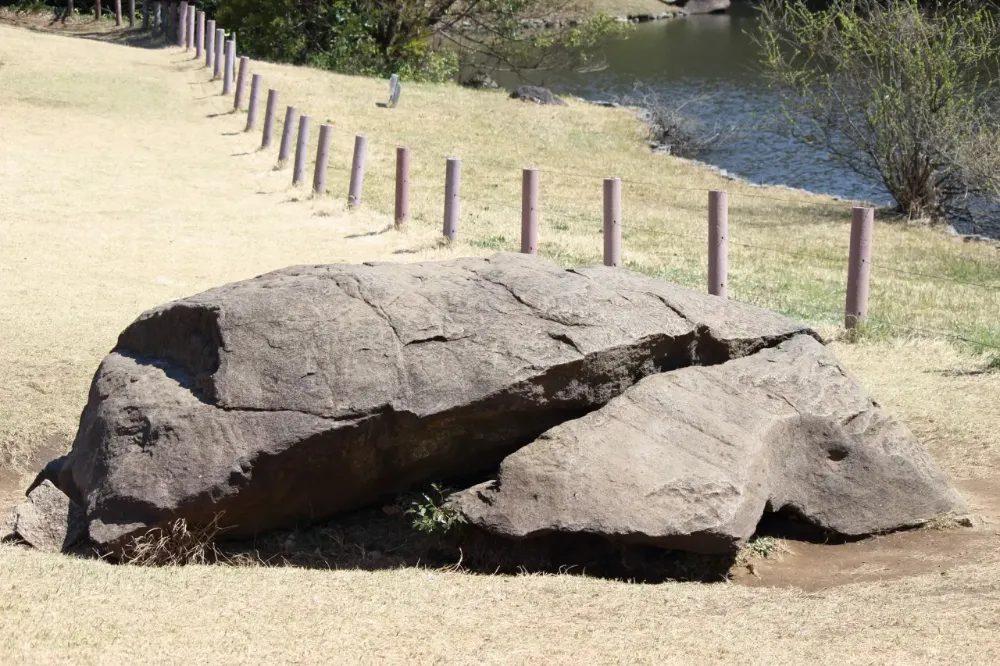
Turtle Stone
Turtle Stone
A natural stone standing quietly by North Pond, shaped like a turtle looking at the water. Symbolizing longevity and prosperity, it is expected to bring career and financial luck. Visitors can touch it freely.
Sazare Stone
Sazare Stone
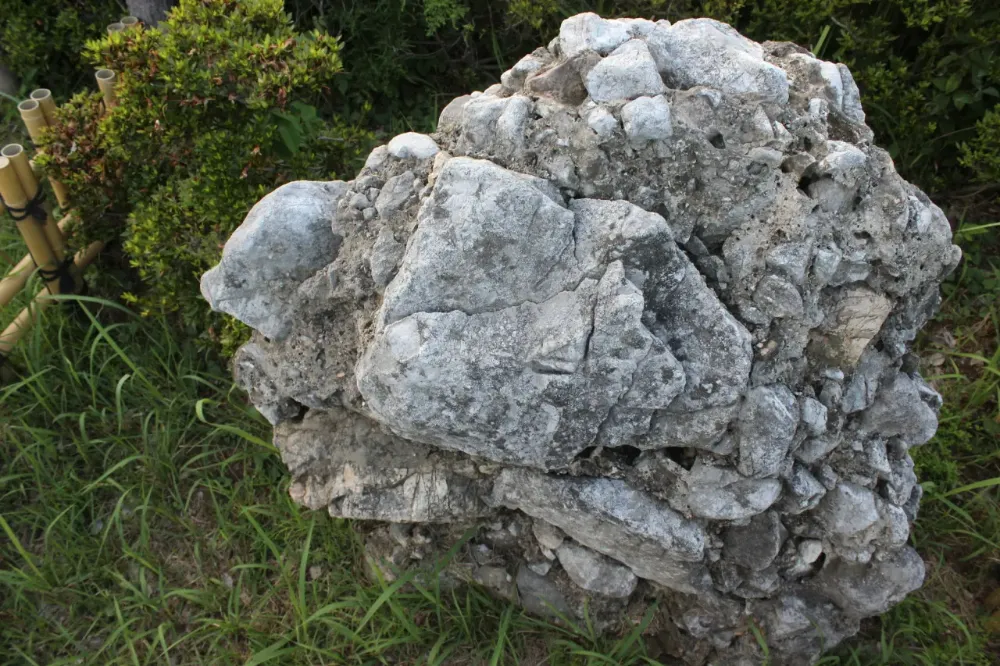
A natural monument sazare stone, the same type mentioned in Japan’s national anthem “Kimigayo.” It is believed to have purifying power. The surface remains rough in its natural state.
Meiji Jingu Museum
Meiji Jingu Museum
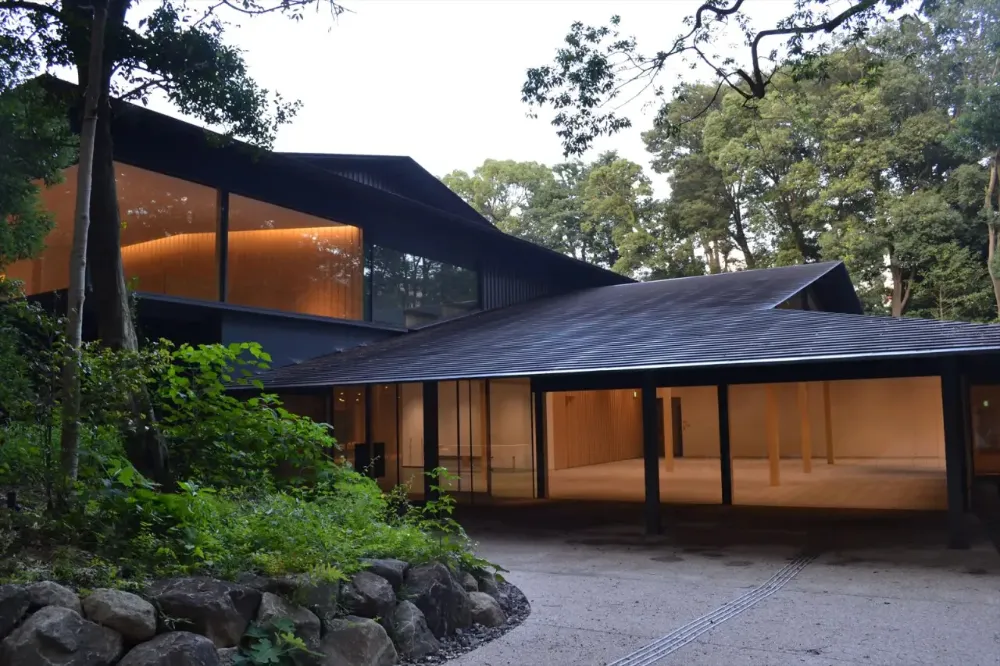
Opened in 2019 as part of the 100th anniversary commemorations. Designed by Kengo Kuma, it displays items connected to Emperor Meiji and Empress Shoken. The building harmonizes with the lush shrine forest.
Tourist Tips
Entry is free, but the garden requires a 500 JPY maintenance donation.
Weekends and New Year’s are very crowded; weekdays in the morning are recommended.
Signs have English; the Treasure Hall and Museum have good English guides.
The center of the approach is the path of the gods, so walk along the sides. Photography is allowed, but avoid shooting people who are praying.
There are no strict dress rules, but avoid overly revealing clothing.
The tree-lined approach and Meoto Kusunoki are photogenic spots. Many use photos of Kiyomasa Well as phone wallpaper.
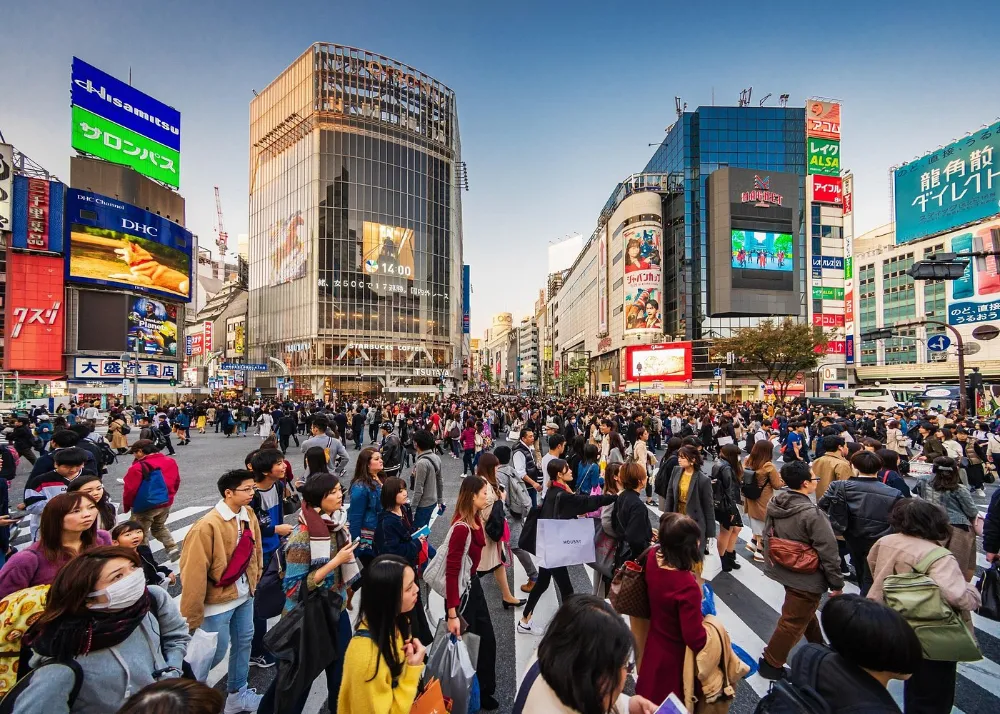
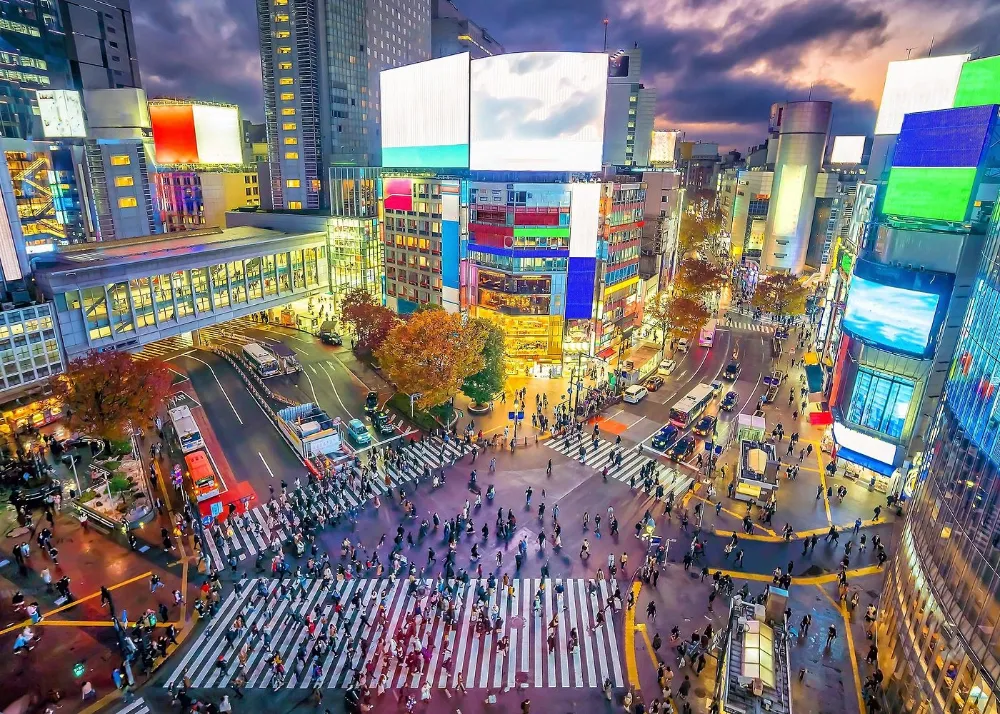
The world’s most famous scramble crossing, with an estimated 500,000 people crossing daily. The sight of crowds crossing when the light turns green has become an international tourist icon. In front of the station is the Hachiko statue, and nearby streets such as Koen-dori and Dogenzaka lead to various bustling areas.
Tourist Tips
Late afternoon to evening is the most lively and photogenic.
For overhead shots of the crossing, shoot from Shibuya Scramble Square’s observation deck “SHIBUYA SKY” (paid).
Weekends and evenings are extremely crowded; watch your belongings.
Signs and station information around the area have good English support.
Takeshita Street
Takeshita Street
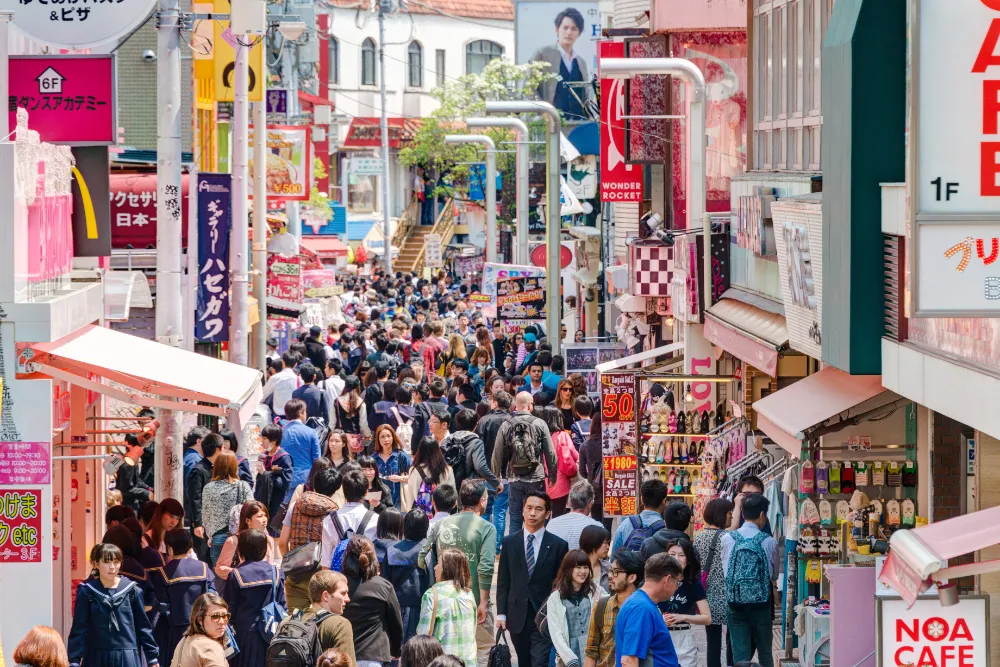
A 350 m shopping street stretching from Harajuku Station toward Meiji-dori. Many shops sell unique fashion items, making it a global trend-setting area. Beyond Takeshita Street, the surrounding Ura-Harajuku and Cat Street have plenty of brand shops and vintage stores. You can feel the diversity of Japanese fashion here. It is crowded with young people every day, and from 11:00 AM to 6:00 PM on many days, it becomes a pedestrian-only zone with no vehicles allowed. Harajuku-style colorful and cute sweets shops are abundant, making it enjoyable to eat while shopping.
Tourist Tips
Weekends are crowded, so weekday mornings are recommended.
Some shops now accept credit cards, but cash is still recommended.
Avoid walking while using your phone or stopping for photos to be considerate of others.
Vendor English is limited; use Google Translate.
Crepes and pancakes are OK to eat while walking, but take your trash with you (trash bins are scarce).
Colorful storefronts and sweets are perfect for SNS photos. Morning light is soft and ideal for shooting.
Summary
This private chauffeur sightseeing tour is an ideal choice for efficiently visiting Tokyo’s popular spots. With an English-speaking driver and high flexibility, it includes detailed information during transfers. For first-time visitors to Tokyo who don’t want to worry about where to start, it allows you to spend the day exploring according to your own interests. Check the details on the booking site and consider including it in your plan!