Ueno is one of Tokyo’s primary gateways, famous for seamlessly merging vast public parks, world-class cultural institutions, and historic, bustling markets. It serves as a true cultural heart of the city.
This comprehensive guide will help you master Ueno’s complex network of train stations and explore the essential spots—from art and history to nature and street shopping—while providing crucial, practical tips for foreign visitors.
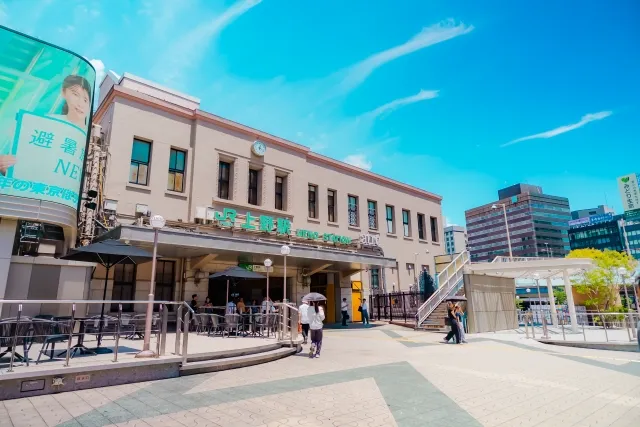
1. Ueno Station Complex: Your Guide to the Best Rail Connections
Ueno is home to three main stations with similar names but distinct roles. Understanding their functions is vital for smooth travel across Tokyo and beyond.
Ueno Station Roles and Travel Strategy
Station Name
Operator
Primary Role / Access
Transit Strategy for Tourists
JR Ueno Station
JR East
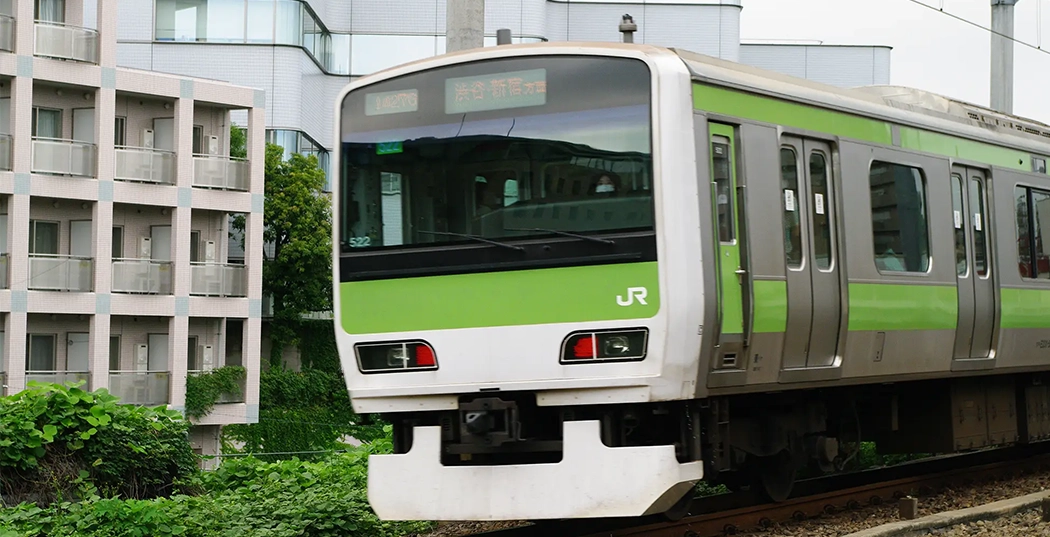
Central Hub: Shinkansen (Bullet Train), Yamate Line (downtown), Tohoku/Hokuriku regions, main access to Ueno Park.
JR Ueno Station and Keisei Ueno Station require an outside-the-gate transfer by walking. Use the Ueno Chuo Dori Underground Passage to connect the JR, Keisei, and Metro stations. This keeps you dry during rain and saves time.
2. Must-See Spots in Ueno: Culture, Nature, and History
1. Ueno Park (Ueno Onshi Koen): Tokyo’s Cultural Oasis
Designated in 1873, Ueno Park is one of Japan’s oldest public parks. It is a major gathering place where nature and culture converge.
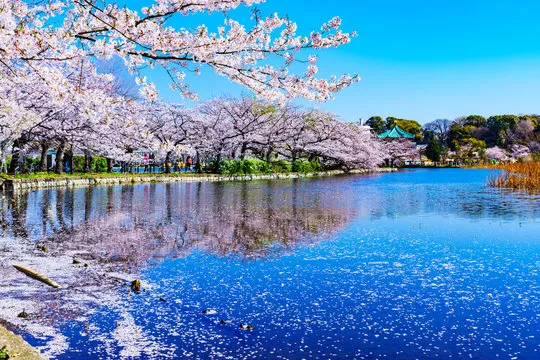
Highlights: The park is famous for being one of Tokyo’s best cherry blossom viewing spots and houses nearly all of Ueno’s major museums and the zoo.
Nature: Enjoy the scenic Shinobazu Pond (Shinobazu no Ike), known for its lotus flowers in summer and boat rentals.
History: The park holds deep historical roots, featuring temples and shrines affiliated with the powerful Tokugawa Shogunate.
💡 Historical Gems: Kaneiji Temple and Kiyomizu Kannon-do
The temples located within the park offer a glimpse into the powerful history of the Edo period.
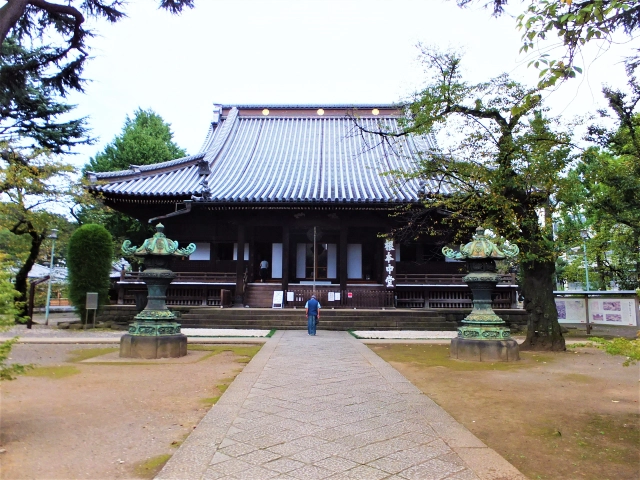
Kaneiji Temple (寛永寺)
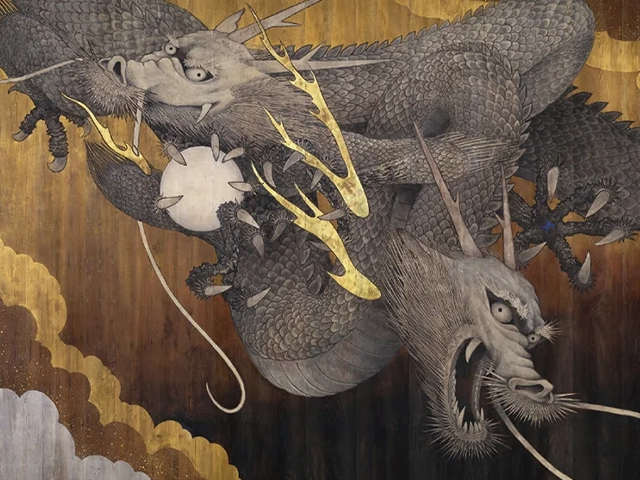
“Eigaku Soryu” (Twin Dragons of Mount Hiei)
Feature: A highly significant Tendai Buddhist temple founded in 1625 by the Tokugawa family to protect the city and serve as one of the family’s main burial sites. At its peak, the temple grounds covered an area twice the size of the current Ueno Park.
●Special 400th Anniversary Feature In commemoration of the temple’s 400th anniversary, a magnificent ceiling painting titled “Eigaku Soryu” (Twin Dragons of Mount Hiei), created by renowned painter and Professor Emeritus of Tokyo University of the Arts, Yuji Tezuka, was dedicated to the main hall (Konpon Chudo).
To celebrate this dedication, the central section (Chujin) of the Konpon Chudo, which was previously closed to the public, is now specially open for viewing. Visitors can also obtain special amulets and Goshuin (calligraphy stamps) prepared for this occasion.
Note: Due to temple events and services, there may be days when the central section is not open to the public. Please check the official website’s notice and calendar before planning your visit.
Kiyomizu Kannon-do Temple (清水観音堂)
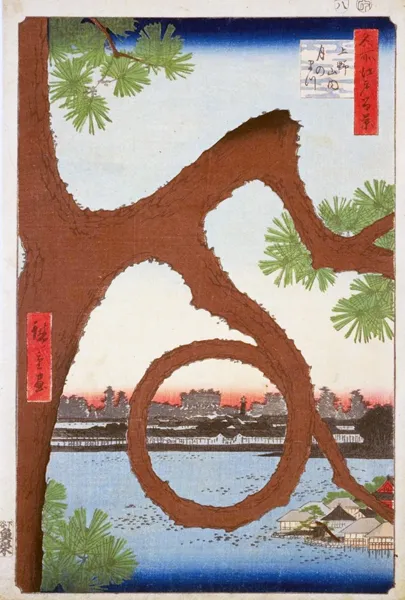
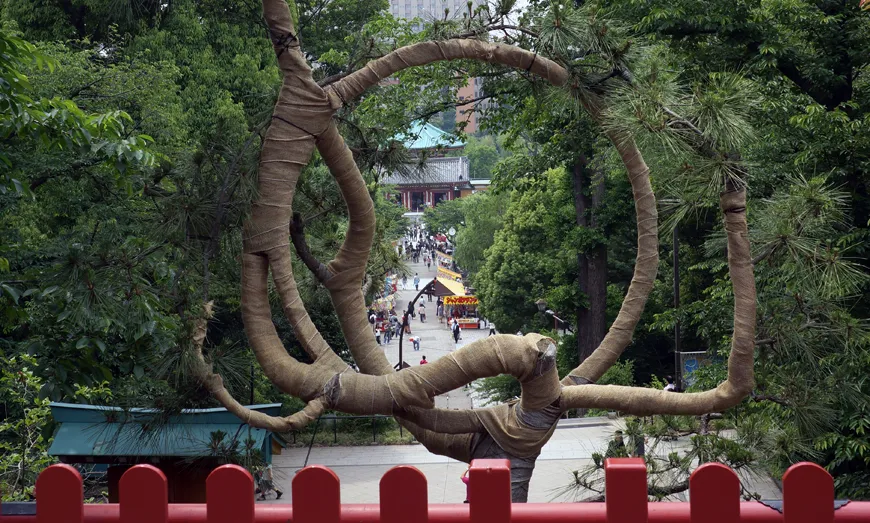
Feature: This historic Buddhist hall, also part of the Kaneiji Temple complex, is renowned for being modeled after Kyoto’s iconic Kiyomizu-dera Temple, featuring a stage structure. Its unique “Moon Pine” (Tsuki no Matsu) is famous for appearing in historical Ukiyo-e prints by artist Utagawa Hiroshige. It is designated as a National Important Cultural Property.
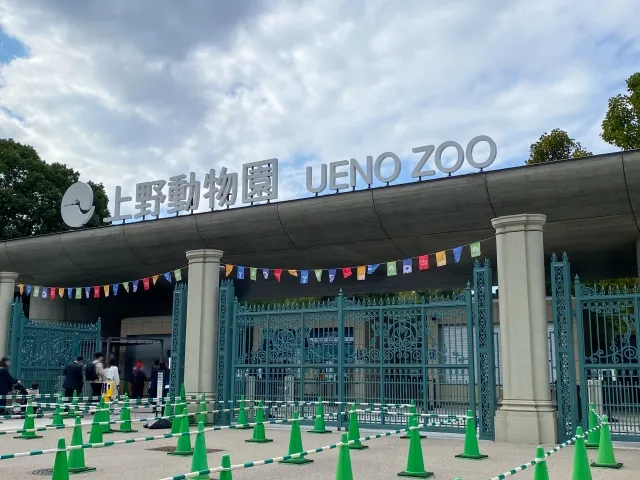
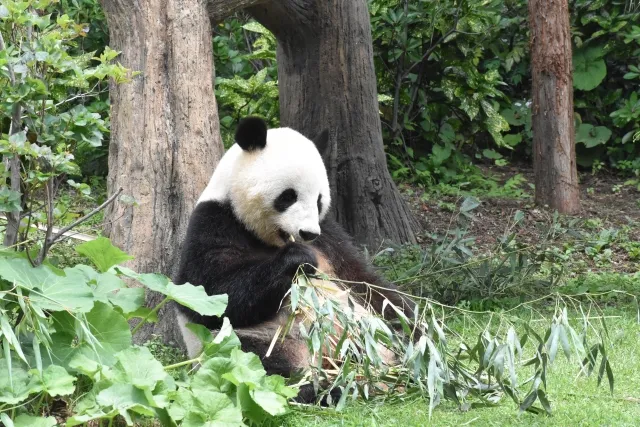
Opened in 1882, Ueno Zoo is Japan’s oldest, and home to the extremely popular Giant Pandas, Xiao Xiao and Lei Lei. The zoo is divided into Eastern and Western Gardens.
【Traveler’s Tip】 For the best viewing experience, especially to see the active Giant Pandas, aim to visit right at the 9:30 AM opening time. Animals are generally most active in the early morning.
Ueno Zoo Information
Address:8-36 Ueno Park, Taito City, Tokyo Access:5-minute walk from JR Ueno Station Park Exit Hours 9:30 AM – 5:00 PM (Last admission 4:00 PM) Price:General Admission 600 JPY Seniors (65+) 300 JPY Junior High School Students 200 JPY WEB:https://www.tokyo-zoo.net/zoo/ueno/
4. Ameya Yokocho Market (Ameyoko): The Lively Open-Air Market
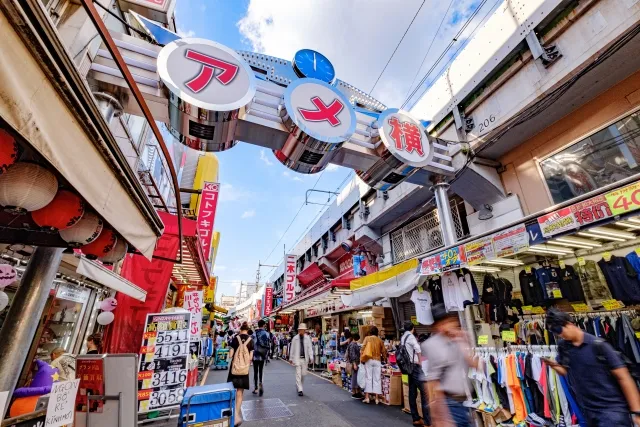
Ameyoko is a bustling 500-meter-long market street located between Ueno and Okachimachi Stations, featuring around 400 shops. It’s famous for its loud atmosphere and working-class charm.
Shopping Diversity: Beyond fresh seafood and groceries, Ameyoko is also a hotspot for street fashion and vintage American casual wear (Amekaji). You will find specialist shops like mita sneakers (globally known for exclusive collaborations) and Nakata Shoten (a venerable military surplus/apparel store).
Dining: The area is famous for its izakaya and standing bars (tachinomi) lining the streets, along with various B-grade gourmet snacks and street food stalls.
【Crucial Visitor Warning】 Please be aware that public trash cans are extremely scarce in Japan, including in Ameyoko. It is customary to take your trash with you or ask the store where you purchased the food to dispose of the waste.
Ameyoko Market Information Address:4-7-10 Ueno, Taito City, Tokyo Access:30-second walk from JR Ueno Station Shinobazu Exit, 30-second walk from Keisei Ueno Station Front Exit Hours:Most shops (excluding restaurants) begin closing around 7:00 PM. WEB:https://www.ameyoko.net/
5. Ueno’s Museum Cluster: World-Class Art and History
Ueno Park hosts one of the world’s most impressive concentrations of museums, allowing visitors to immerse themselves in global culture and history for a full day.
Tokyo National Museum (TNM)
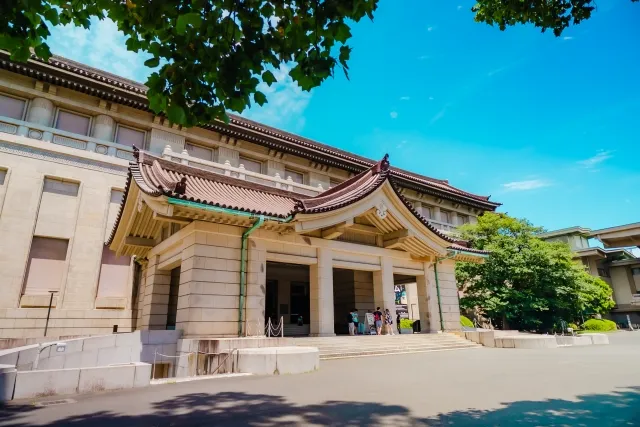
Feature: Established in 1872, the oldest and largest museum in Japan, housing approximately 120,000 items, focusing on Japanese and Asian art and archaeological artifacts. The Honkan (Japanese Gallery) displays national treasures like Buddhist statues, samurai armor (Kacchu), swords (Katana), and Ukiyo-e woodblock prints, organized by historical period. Other halls, such as the Gallery of Horyuji Treasures, house priceless cultural assets.
Address 13-9 Ueno Park, Taito City, Tokyo
Access 10-minute walk from JR Ueno Station Park Exit
Hours 9:30 AM – 5:00 PM (Last admission 30 minutes before closing)
Price General Admission 1,000 JPY (for the comprehensive cultural exhibition)
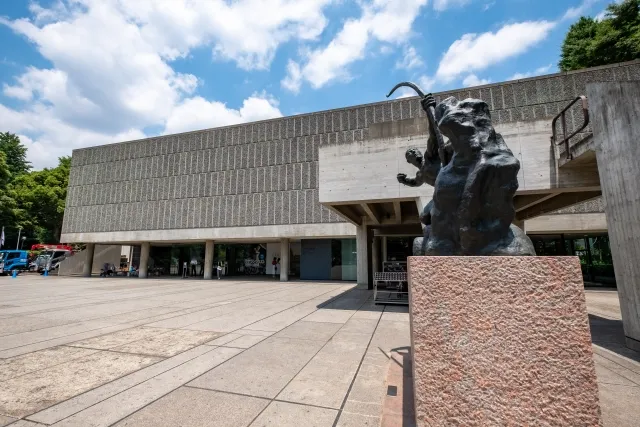
Feature: The country’s premier museum dedicated to Western Art, featuring paintings and sculptures from the late Middle Ages to the early 20th century. Works by masters like Monet, Renoir, and Van Gogh are exhibited. The main building was designed by the globally famous architect Le Corbusier and is a UNESCO World Heritage Site.
【Budget Tip】 Permanent collection admission is only 500 JPY, making it a highly accessible cultural stop.
Address 7-7 Ueno Park, Taito City, Tokyo
Access 7-minute walk from JR Ueno Station Park Exit
Hours 9:30 AM – 5:30 PM (Extended hours until 8:00 PM on Fridays and Saturdays)
Price Permanent Collection General Admission 500 JPY, Special Exhibition fees vary.
Feature: Japan’s largest comprehensive science museum, divided into the Japan Gallery and the Global Gallery, covering every aspect of natural science and technological history. The Global Gallery showcases the history of life, including impressive dinosaur fossils (like the Futabasaurus suzukii) and space exhibits. The Japan Gallery features exhibits on Japanese nature and includes the mounted specimen of Hachiko the loyal dog, a famous cultural icon. The Theater 36○ is a popular immersive dome theater experience.
Address 7-20 Ueno Park, Taito City, Tokyo
Access 5-minute walk from JR Ueno Station Park Exit
Hours 9:00 AM – 5:00 PM (Last admission 4:30 PM)
Price General/University Student 630 JPY, High School students and younger free.
Feature: Opened in 1926 as Japan’s first public art museum. It does not have a permanent collection, instead serving as the main venue for major special exhibitions (e.g., Van Gogh, Vermeer) and public open exhibitions (Kobo-ten), ensuring visitors always encounter new and diverse artwork. The red brick façade was designed by architect Kunio Maekawa.
Address 8-36 Ueno Park, Taito City, Tokyo
Access 7-minute walk from JR Ueno Station Park Exit
Hours 9:30 AM – 5:30 PM (Last admission 30 minutes before closing)
Price Varies by exhibition (Collection exhibitions are free)
The commercial facilities located within and adjacent to JR Ueno Station are perfect for dining, shopping, and taking a break between transfers.
ecute Ueno Information
Feature:Offers a wide selection of dining, bento boxes, sweets, and bookstores, including many popular Panda-themed souvenirs exclusive to Ueno. Access:Inside JR Ueno Station Gates (3rd floor), outside the Park Exit. Hours:8:00 AM – 10:00 PM (Hours vary by shop) WEB:https://www.ecute.jp/ueno
atre Ueno Information
Feature:Divided into Ueno EAST (near the Central Gate) and Ueno WEST (near Shinobazu Exit), offering various restaurants, cafes, fashion, and general stores. Access:Inside JR Ueno Station Complex Hours:10:00 AM – 9:00 PM (Restaurants typically open later, check individual shops) WEB:https://www.atre.co.jp/ueno/
Practical Travel Tips and Warnings
Wi-Fi / Charging: Free Wi-Fi and some charging spots may be available in the station complex (atre/ecute) and within the main museums. It is recommended to check the specific facility’s website or inquire at the information desk.
Park Etiquette:
While Ueno Park is open late, please remember that trash cans are scarce. Please cooperate by taking your waste home or disposing of it properly.
During certain periods, such as cherry blossom season, drinking alcohol may be restricted in specific areas, particularly at night. Follow posted local signs.
Other Historical Sites: Don’t miss the Ueno Toshogu Shrine (a lavish shrine dedicated to Shogun Tokugawa Ieyasu) and other scattered historical spots for a deeper dive into Japanese history and religion.